
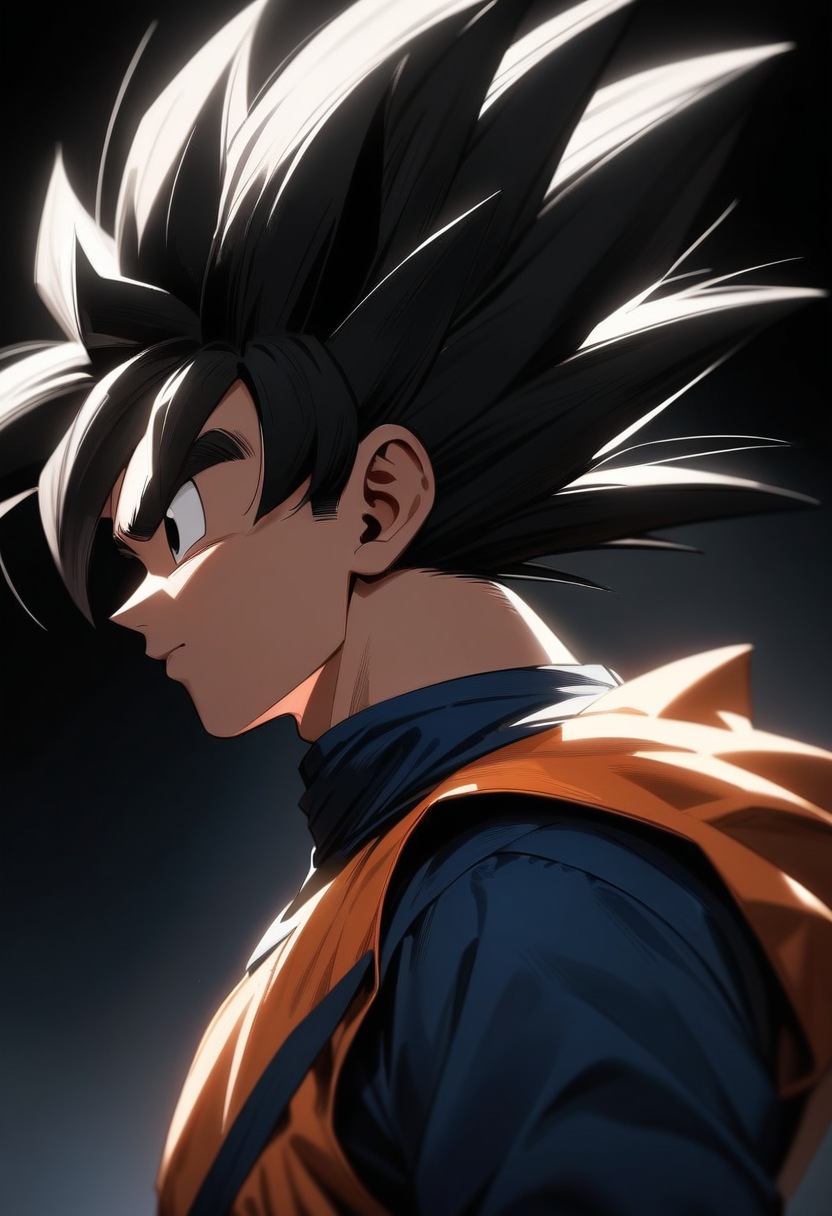
The fundamental tension in isekai protagonists lies not in how much they can destroy, but in whether their growth serves a social purpose or a personal obsession. Comparing a YPS-2 narrative-type like Iruma Suzuki to a YPS-6 physical-type like Son Goku is a category error; one navigates a social hierarchy while the other navigates a cosmic one. The real data point is the divergence in their Ego and Growth profiles. Iruma’s maximum Growth score represents a psychological ascent from passive survival to assertive leadership. His ability to lead the demon school students stems from a low Ego that allows him to prioritize the needs of others over his own fear. In contrast, Goku’s trajectory is a linear escalation of capability driven by a totalizing Ego. He does not seek to integrate into a society or lead a people; he seeks the thrill of the struggle. While Iruma uses the Ring of Gluttony to carve out a space of safety and friendship, Goku treats the universe as a training ground, often endangering the very world he defends to ensure a fair fight. This reveals the two primary functions of power in the genre: power as a tool for social integration versus power as a vehicle for self-transcendence. Iruma proves that the most significant growth occurs when a character moves from being a victim of circumstance to an architect of community, whereas Goku demonstrates that absolute power often results in a character becoming a force of nature rather than a social being.
Archetype breakdowns and dispute court land in later phases.