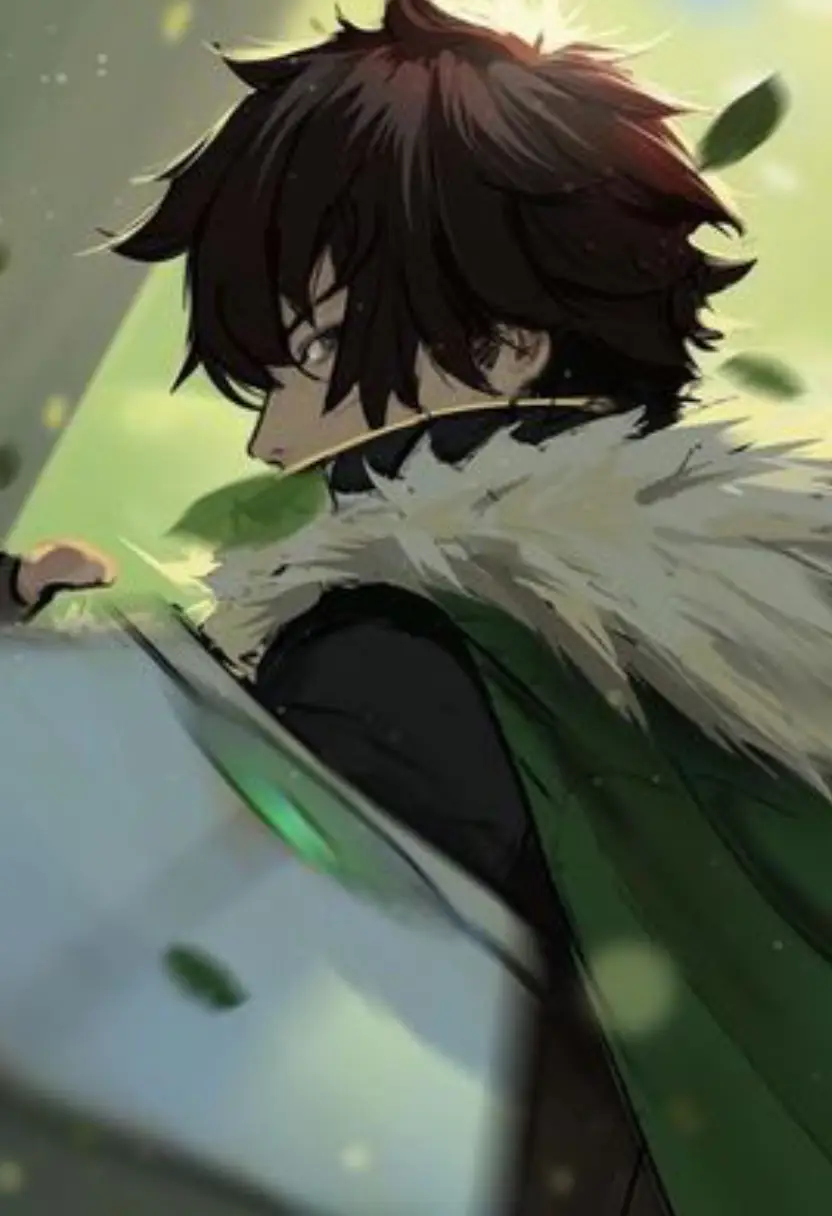
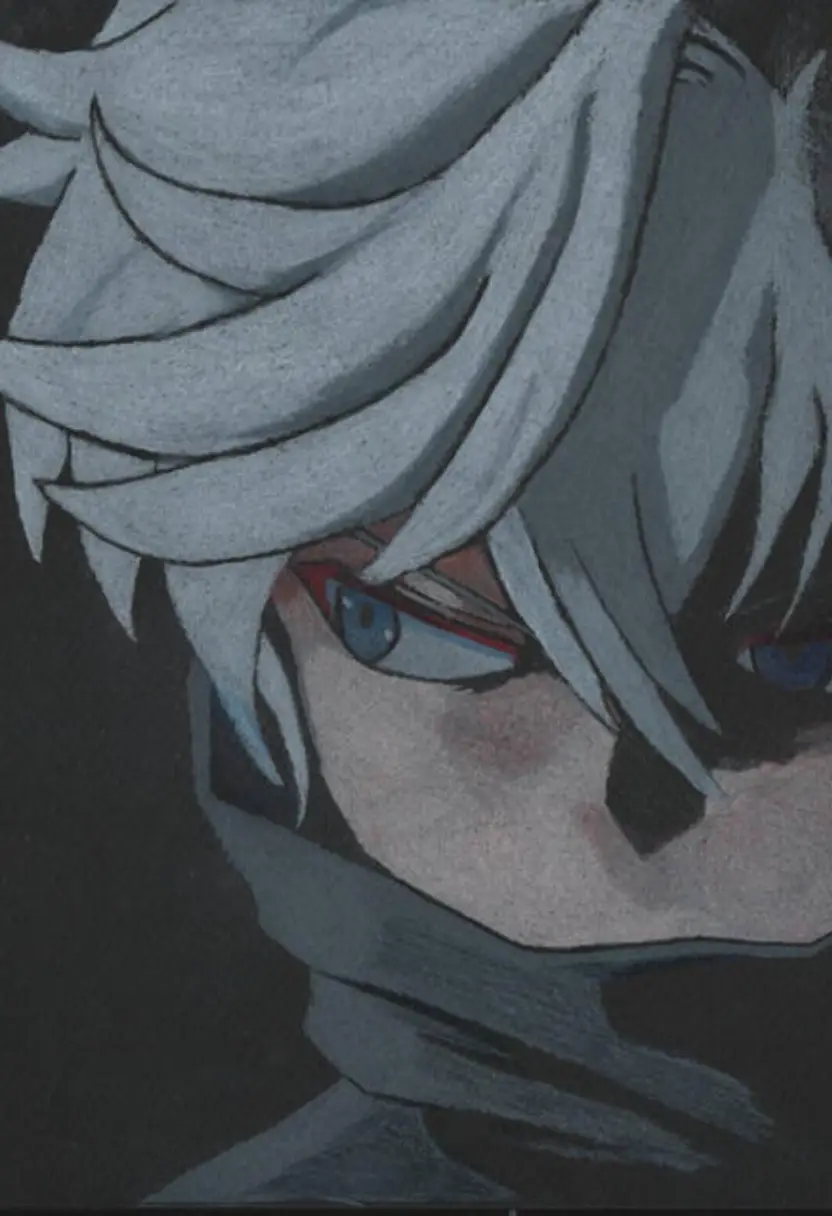
True agency in an isekai world is measured not by how one masters the system, but by how one survives its malfunctions. While both characters occupy the YPS-3 tier, comparing them through raw output is a category error because their power types—narrative versus physical—operate on different axes. Lugh’s efficacy is a product of clinical optimization and mana precision, treating his second life as a high-stakes engineering project to ensure he is never again a disposable tool. He views human connection as a variable to be integrated into a tactical calculus, attempting to manufacture a soul through the sheer efficiency of his bonds with Dia and Tarte. Kazuma operates on the opposite frequency. His success stems from leaning into the absurdity of the world and the dysfunction of his party. While Lugh seeks to eliminate risk through preparation, Kazuma weaponizes risk through high luck and a willingness to be the punchline of the narrative. The divergence here reveals a fundamental tension in the genre: the conflict between the protagonist as a perfected instrument and the protagonist as a flawed survivor. Lugh achieves his goals by refining himself into a sharper blade, but Kazuma achieves his by accepting that he is a blunt object in a world of jagged edges. One finds power in control; the other finds it in the surrender to chaos.
Archetype breakdowns and dispute court land in later phases.