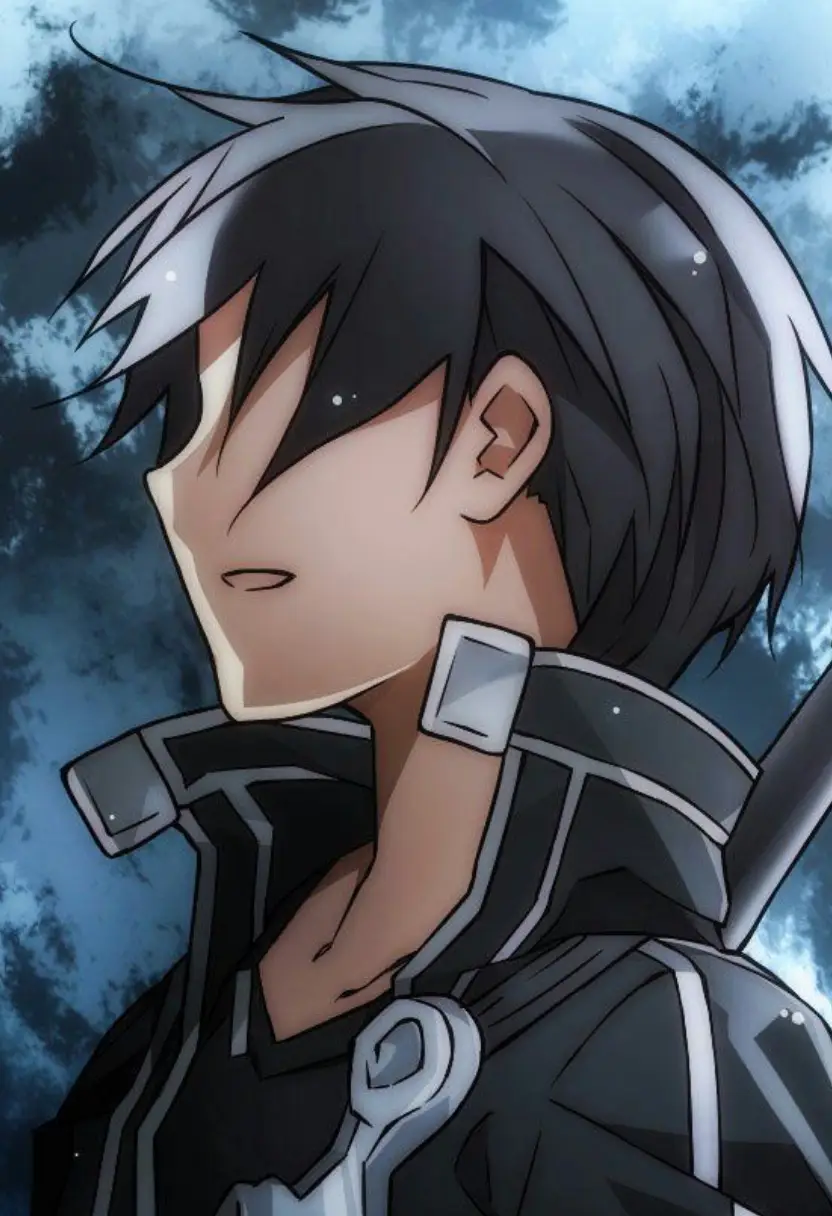
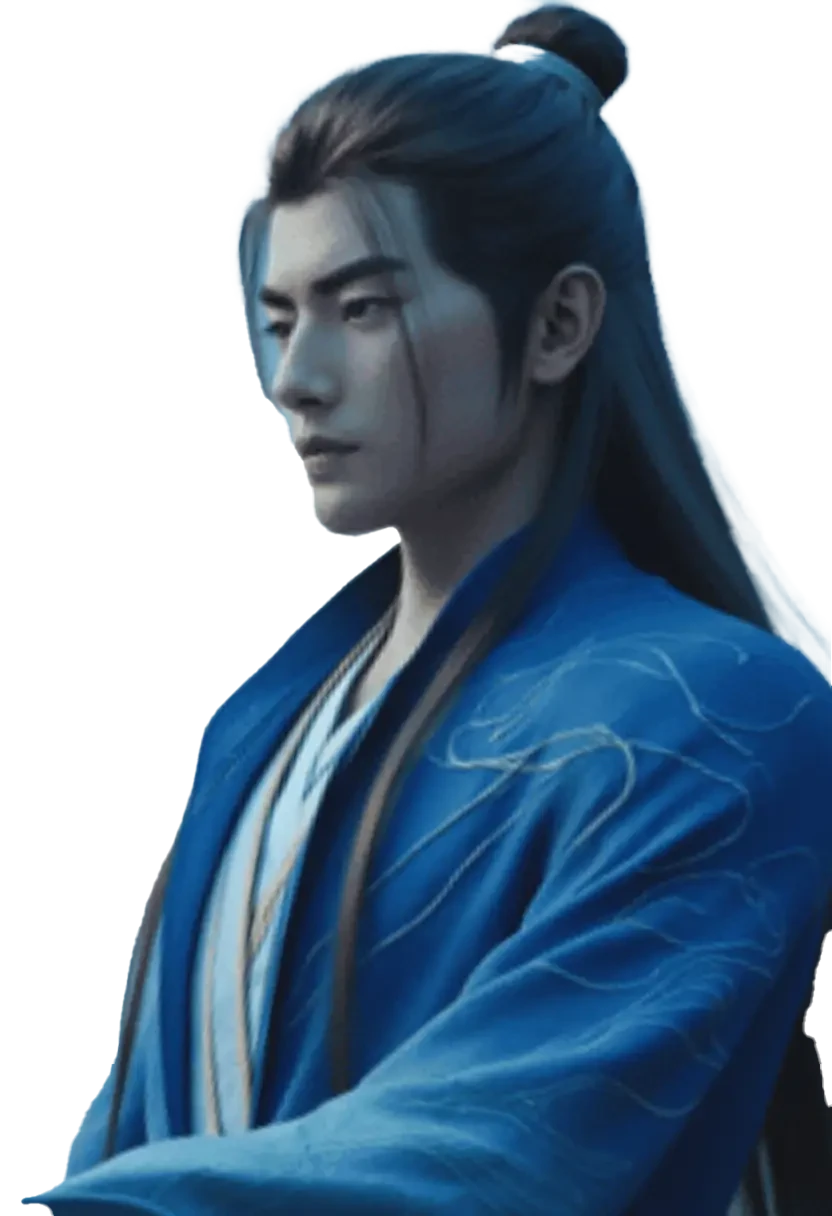
The gap between a YPS-7 world-ender and a YPS-4 strategic asset is an abyss that renders traditional combat comparisons meaningless. While Han Li eventually rewrites the physical laws of his universe to replace the celestial order, Kirito remains tethered to the fragility of a simulated existence. This disparity reveals a core truth about isekai storytelling: the reduction of power often correlates with an increase in emotional volatility. Han Li’s trajectory is a clinical exercise in resource management and risk mitigation, turning his existence into a technical achievement. He views morality as a luxury, making his ascent a solitary victory of will over environment. Conversely, Kirito’s narrative weight stems from his inability to transcend the system. His identity as a 'Beater' and his desperate attempts to validate the sentience of NPCs create a friction that Han Li simply solves with a higher cultivation grade. Where Han Li achieves total autonomy by becoming the architect of the system, Kirito finds his humanity through the trauma of digital death and the burden of protecting others. The tension in Kirito's arc is more acute because his stakes are personal and permanent, whereas Han Li’s stakes are systemic and eventually trivialized by his own omnipotence. The lower-tier character provides the more complex study of guilt and responsibility precisely because he lacks the capacity to rewrite the rules of his suffering.
Archetype breakdowns and dispute court land in later phases.