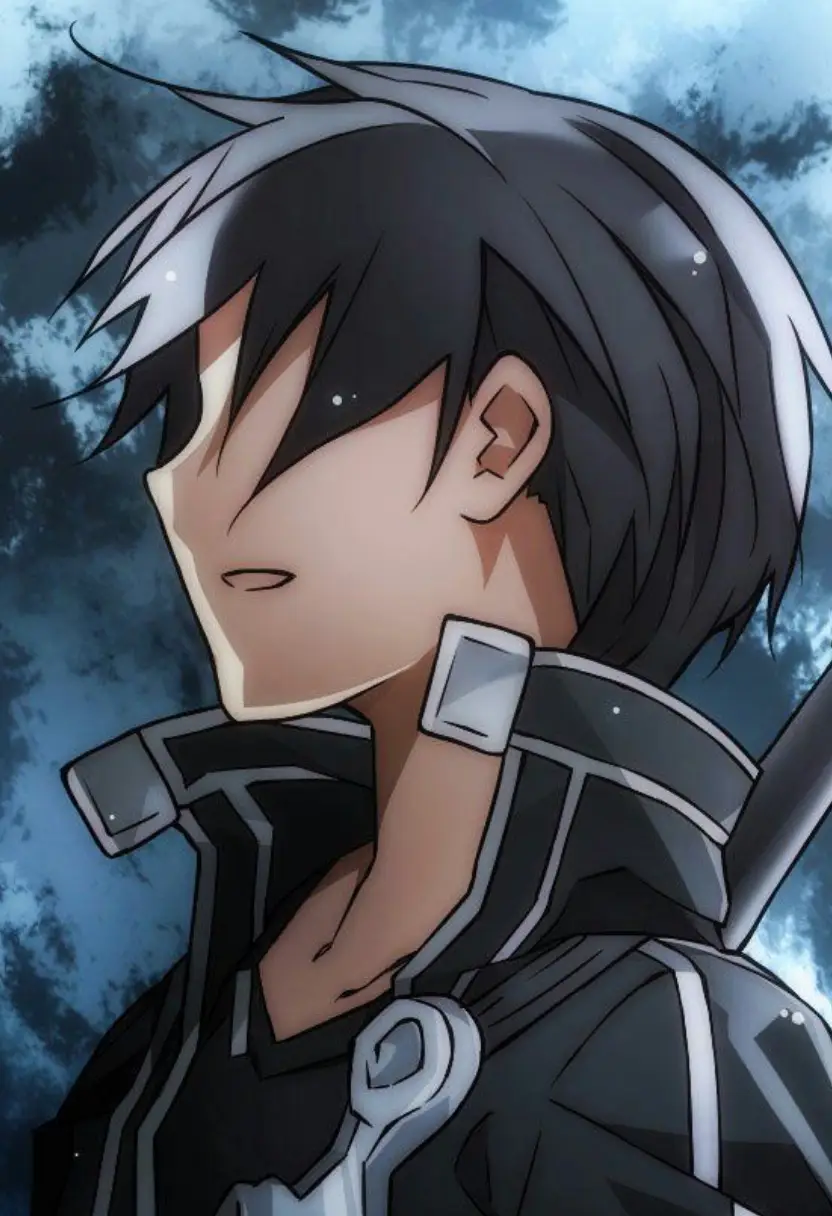

The divergence in self-determination defines the utility of power at the YPS-4 level. While both characters operate as walking strategic deterrents capable of facing national armies, their DNA profiles reveal a fundamental split between power as a burden and power as a tool. Kirito’s high Ego score reflects a narrative driven by individual agency; his decision to embrace the "Beater" label in Aincrad is a conscious choice to isolate himself for the benefit of the collective. This agency comes with a significant Darkness cost, as his identity is forged through the trauma of digital death and the guilt of those he failed to save. His power is an existential weapon used to carve a space for humanity within a rigid system. Shin Wolford represents the inverse. Despite a high Power score, his low Ego indicates a character who functions as a reflection of his environment and mentors. His ability to defeat a devil or reshape magical theory is not a quest for self-actualization, but a response to the expectations of his bonds. Where Kirito fights against the system, Shin is the system's ideal output. The gap in Darkness is telling: Shin operates in a vacuum of moral cost, whereas Kirito’s every victory is weighted by the fragility of real-world existence. This comparison proves that reaching the Nation Level scale is less about the capability to destroy and more about whether that capability is a choice or a byproduct. Kirito owns his power, while Shin is owned by his potential.
Archetype breakdowns and dispute court land in later phases.