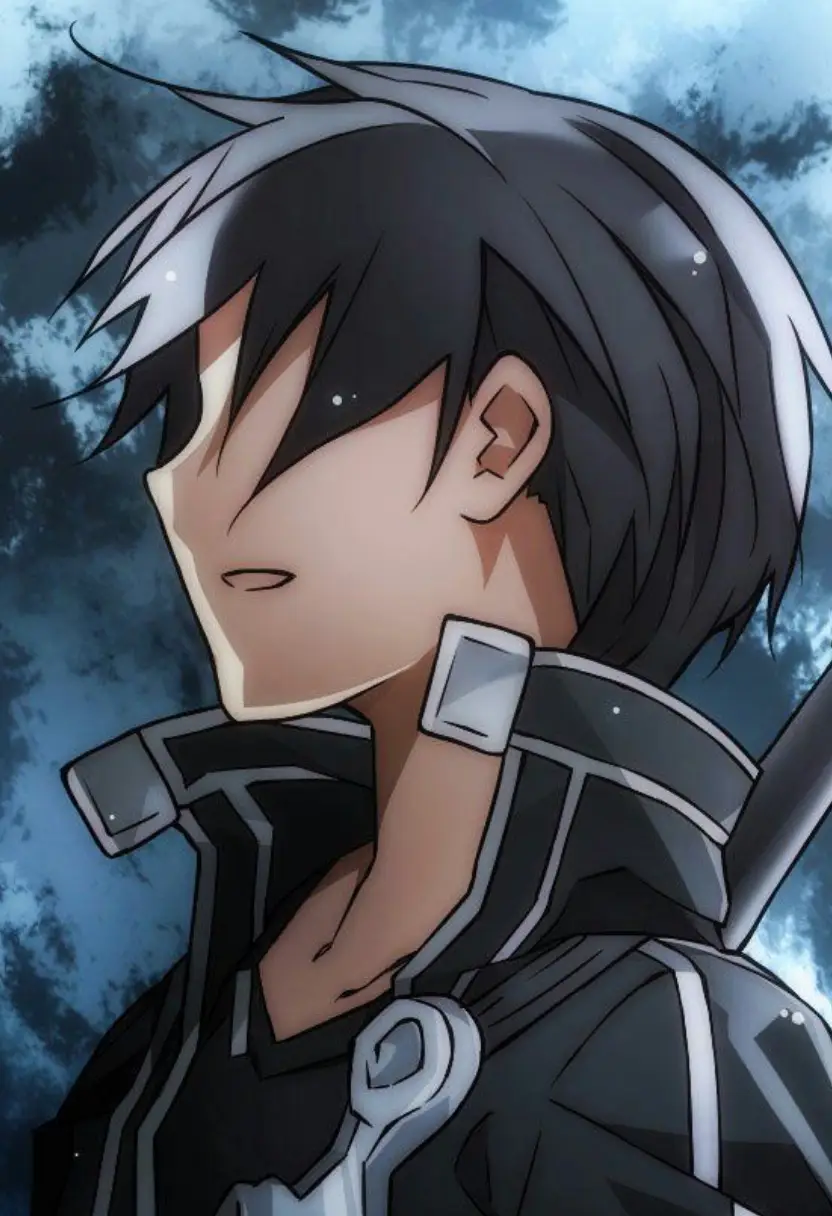
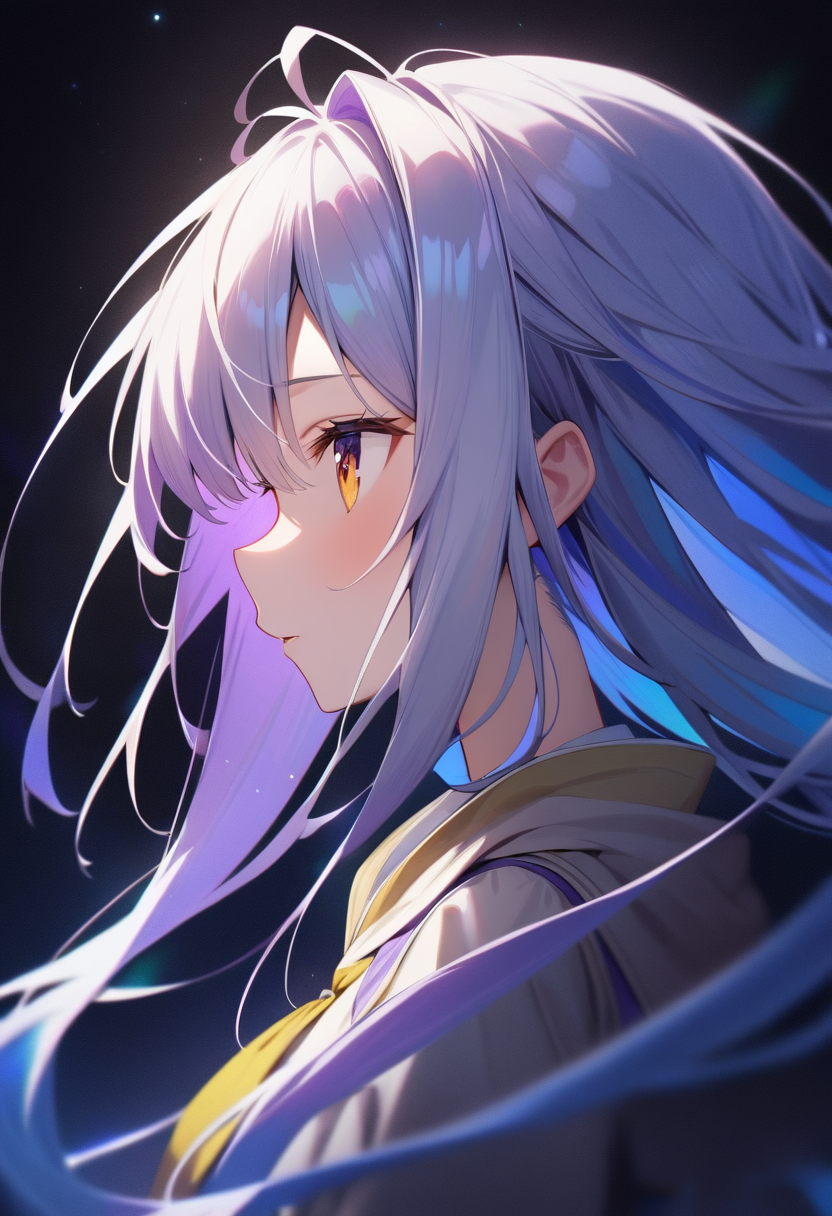
True autonomy in isekai is not found in the ability to destroy, but in the capacity to evolve. Comparing a YPS-4 physical combatant to a YPS-1 authority specialist is fundamentally a category error; one breaks the world through force, while the other manipulates it through logic. Because their power types operate on different axes, the YPS gap is a red herring that obscures a deeper divide in their DNA profiles. Kirito's trajectory is defined by high Ego and Growth, transforming from a solo survivor in Aincrad to an existential bridge in Alicization. He earns his status through the moral cost of the Beater label and the trauma of digital death, proving that his power is a byproduct of his willingness to suffer. Shiro, conversely, operates as a static genius. Her low Ego and Growth scores indicate a character who does not change the world so much as she solves it. While Kirito struggles against the system to reclaim his humanity, Shiro functions as the system's perfect extension. The gap between them is not one of capability, but of will. Kirito fights to define himself against the constraints of his environment, whereas Shiro exists as a predetermined answer to a puzzle. This reveals a core genre tension: the distinction between the hero who transcends the game and the player who simply masters it.
Archetype breakdowns and dispute court land in later phases.