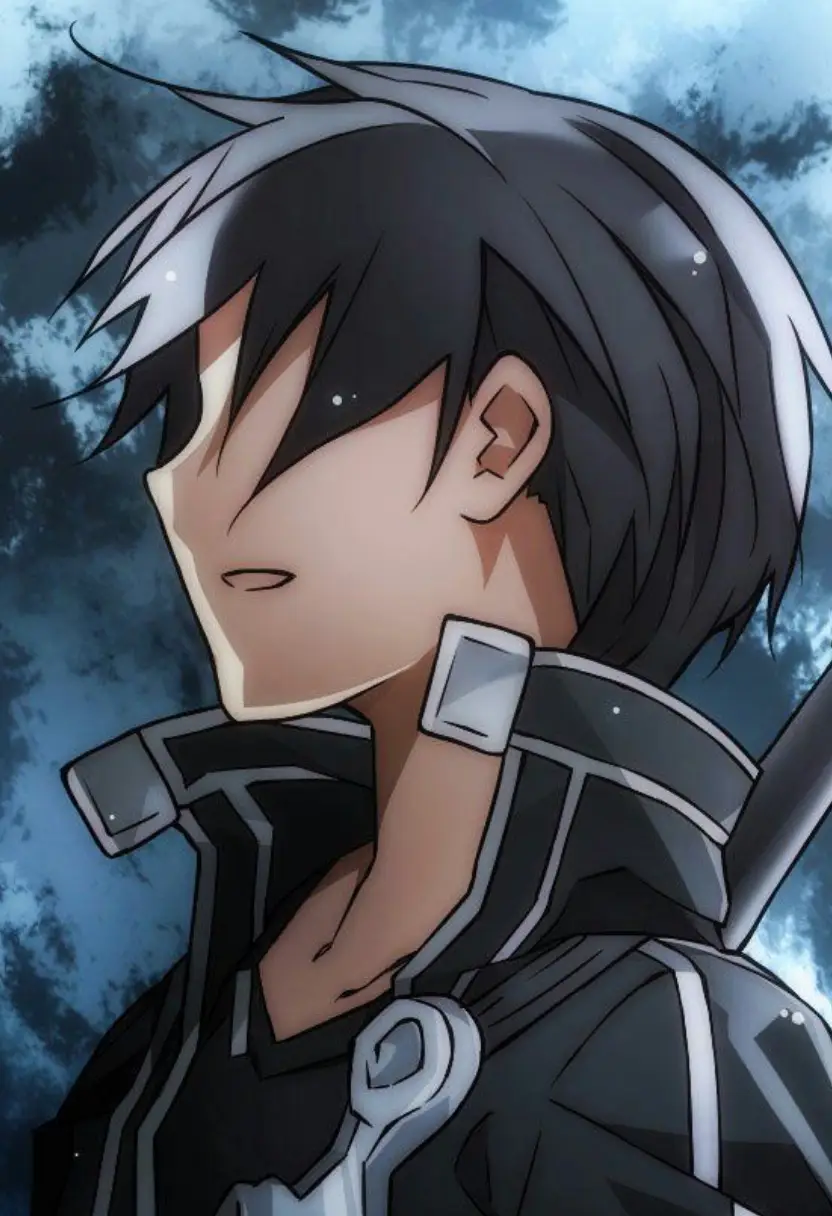
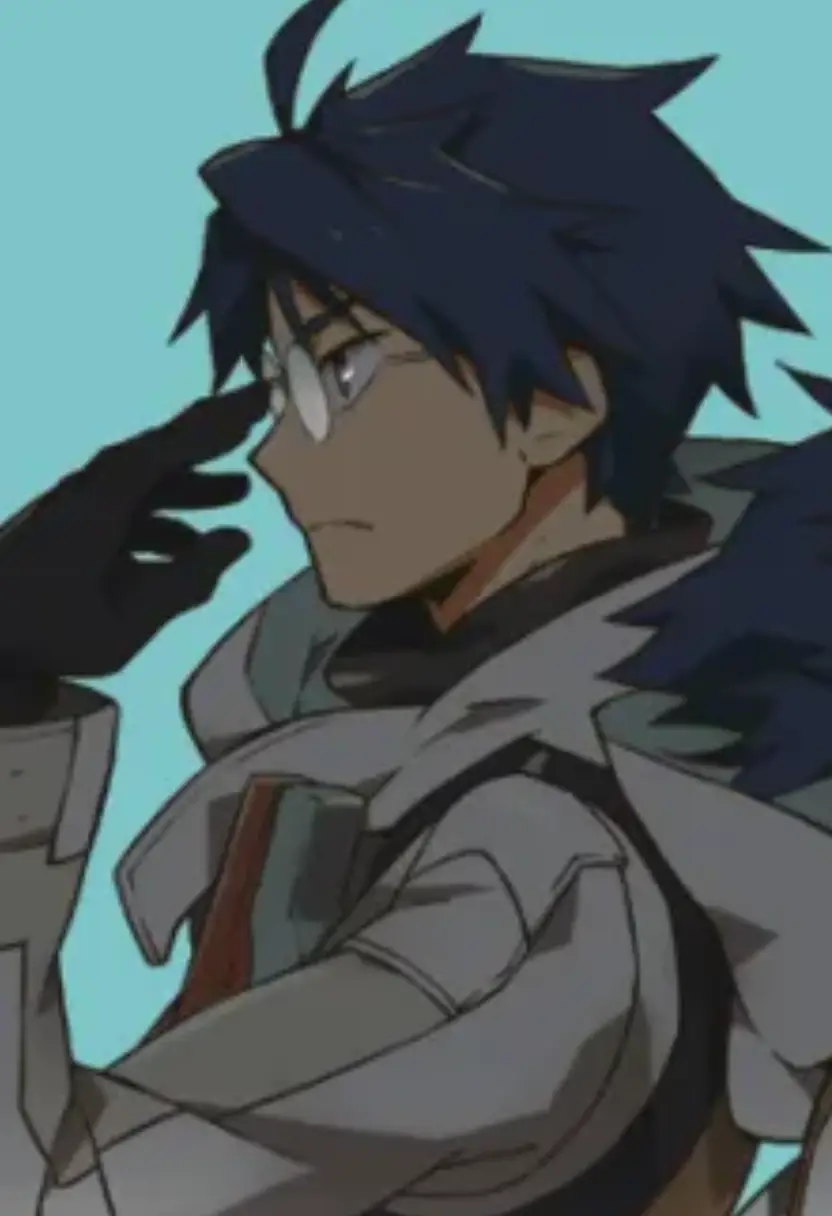
The fundamental conflict in isekai power is not about how much damage a character deals, but whether they seek to transcend the system or manage it. Comparing Kirito's YPS-4 physical dominance to Shiroe's YPS-2 authority is a category error because their abilities operate on entirely different axes. Kirito functions as a scalpel, cutting through the limitations of Aincrad with technical skill and willpower to save individuals. Shiroe functions as a blueprint, manipulating the laws of Elder Tale to construct a functioning society. This divergence is crystallized in their DNA profiles: Kirito possesses a maximum Ego score, driving his narrative through a personal quest to reconcile his virtual achievements with his real-world fragility. Conversely, Shiroe's zero Ego score reveals a character who operates as a function of his environment, transforming from a recluse into a reluctant administrator. While Kirito fights the trauma of digital death by becoming a legend, Shiroe treats the mechanics of death as a tool for empathy and systemic reform. Kirito proves that a determined individual can break the game, but Shiroe demonstrates that the only way to survive the game is to rewrite the rules of coexistence.
Archetype breakdowns and dispute court land in later phases.