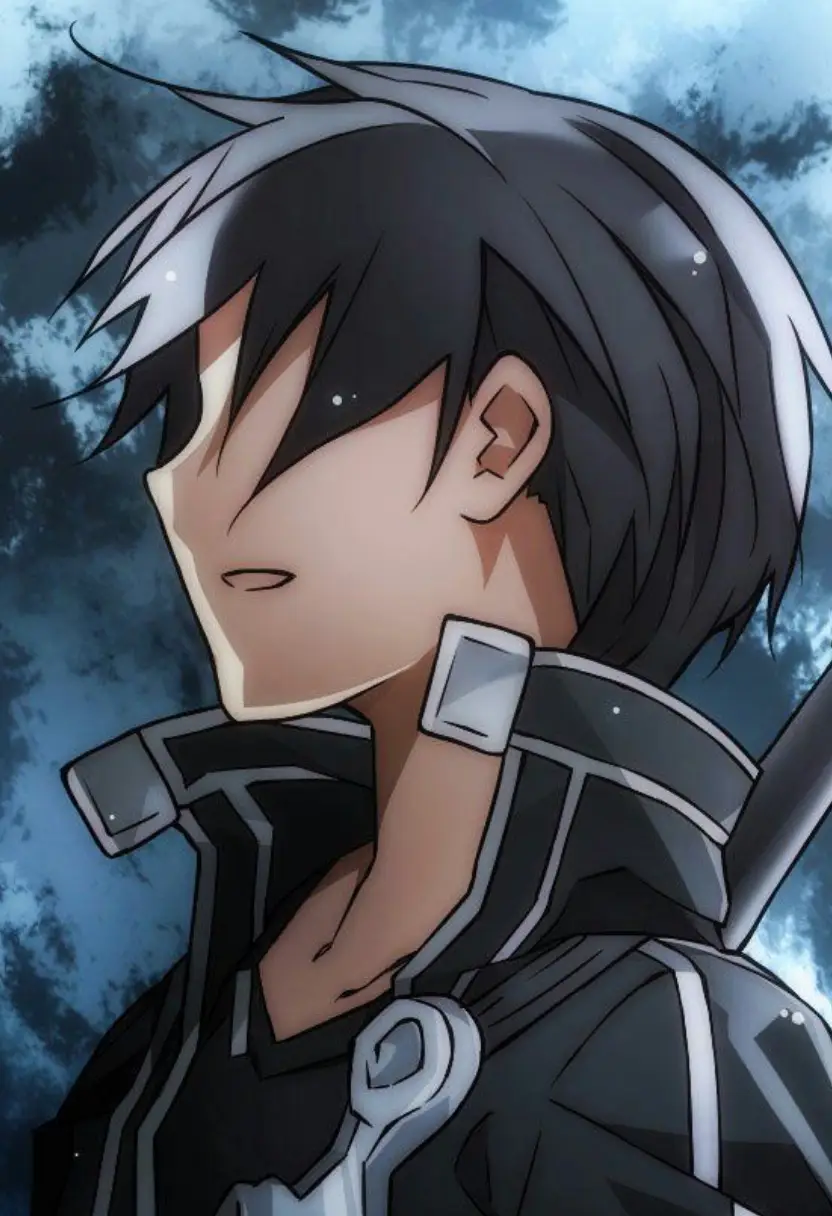
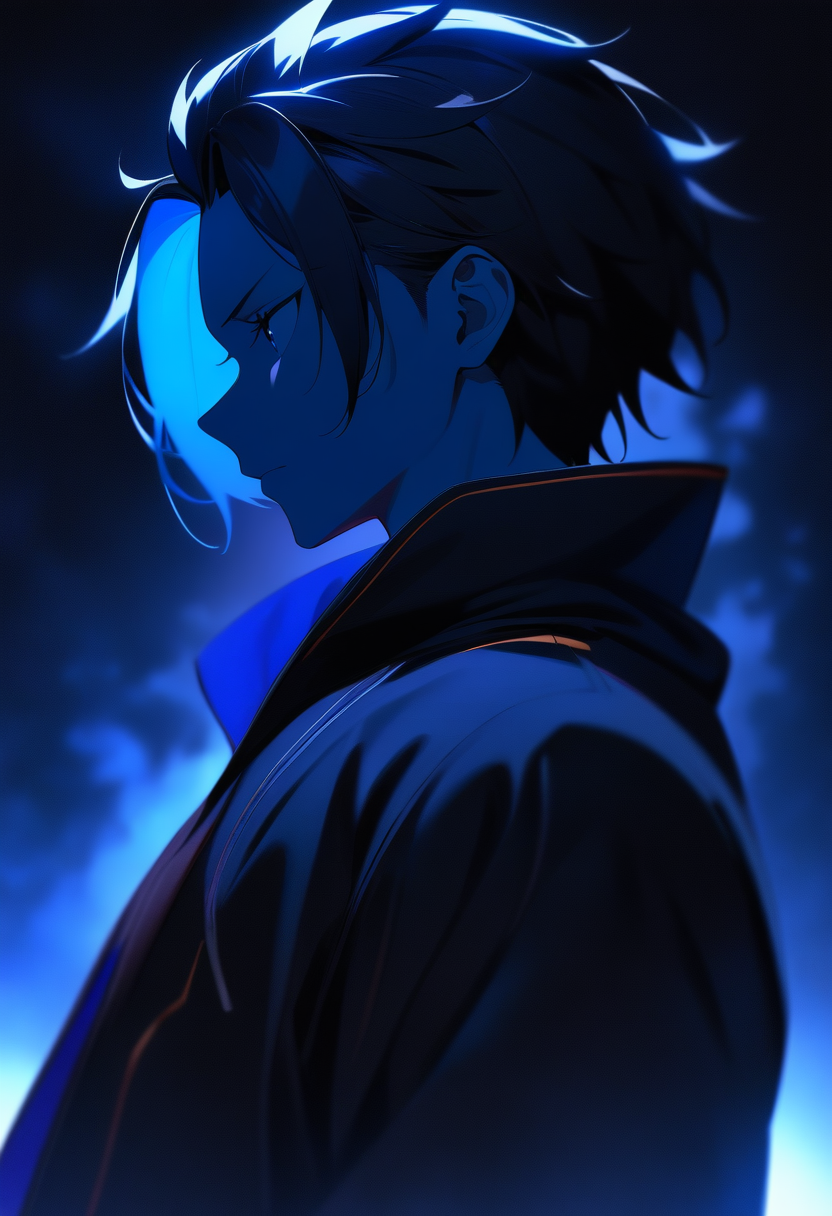
Comparing a master swordsman to a temporal loop survivor renders YPS-4 ratings functionally irrelevant because their capabilities operate on entirely different planes of existence. One manipulates physical space through technical precision, while the other manipulates causality through repeated failure. The real divergence lies in how they process the cost of their influence. Kirito operates through high Ego, asserting his will over the system to rewrite the rules of engagement in Aincrad or the Underworld. His power is an extension of his agency; he solves problems by becoming the exception to the rule. Subaru, conversely, functions as a vessel for Darkness. His influence grows not through agency, but through the systematic erasure of his own pride. While Kirito’s arc moves toward expanding his emotional responsibility to others, Subaru’s trajectory is a brutal dismantling of the self. He does not bypass the system—he is the system's victim, weaponizing his own trauma to engineer a timeline where others survive. This reveals a fundamental split in isekai philosophy: power as a tool for the self-determined versus power as a penance for the broken. Kirito protects people via combat utility, but Subaru protects people by being the only one willing to die in the room.
Archetype breakdowns and dispute court land in later phases.