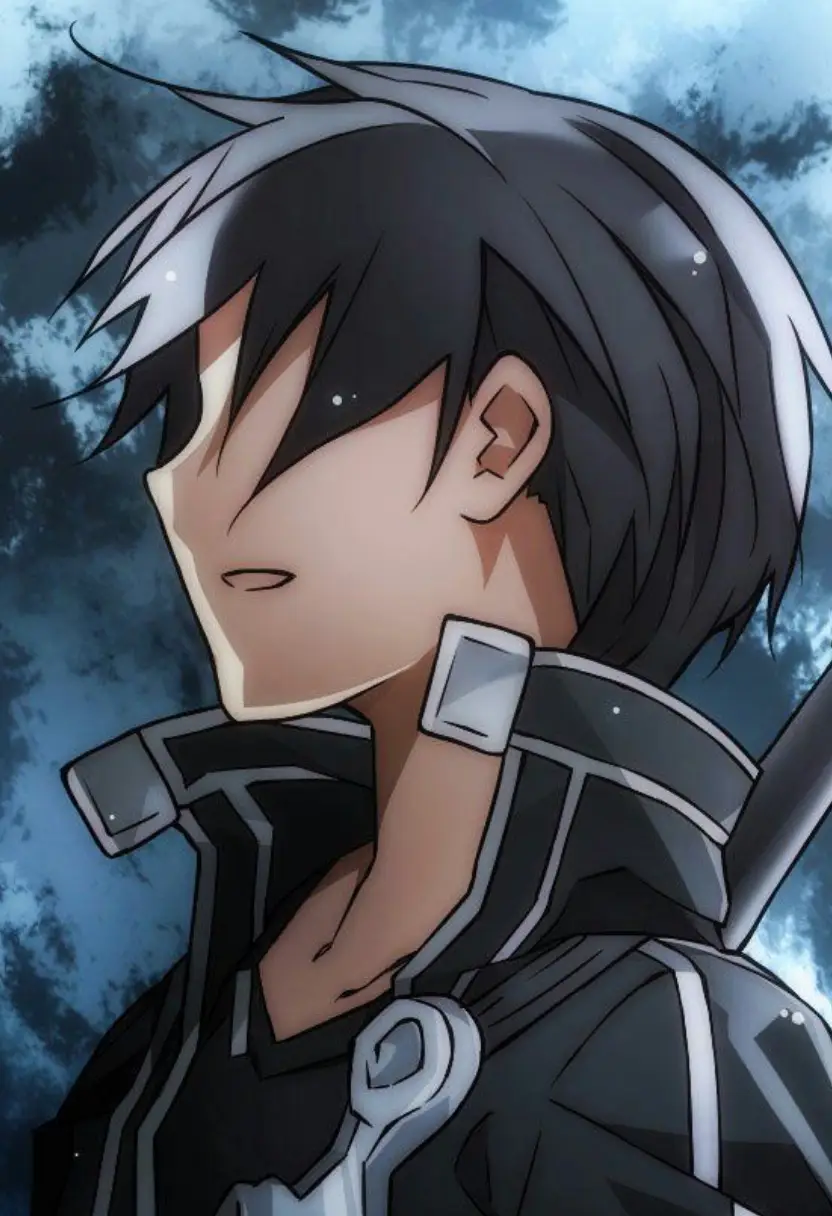
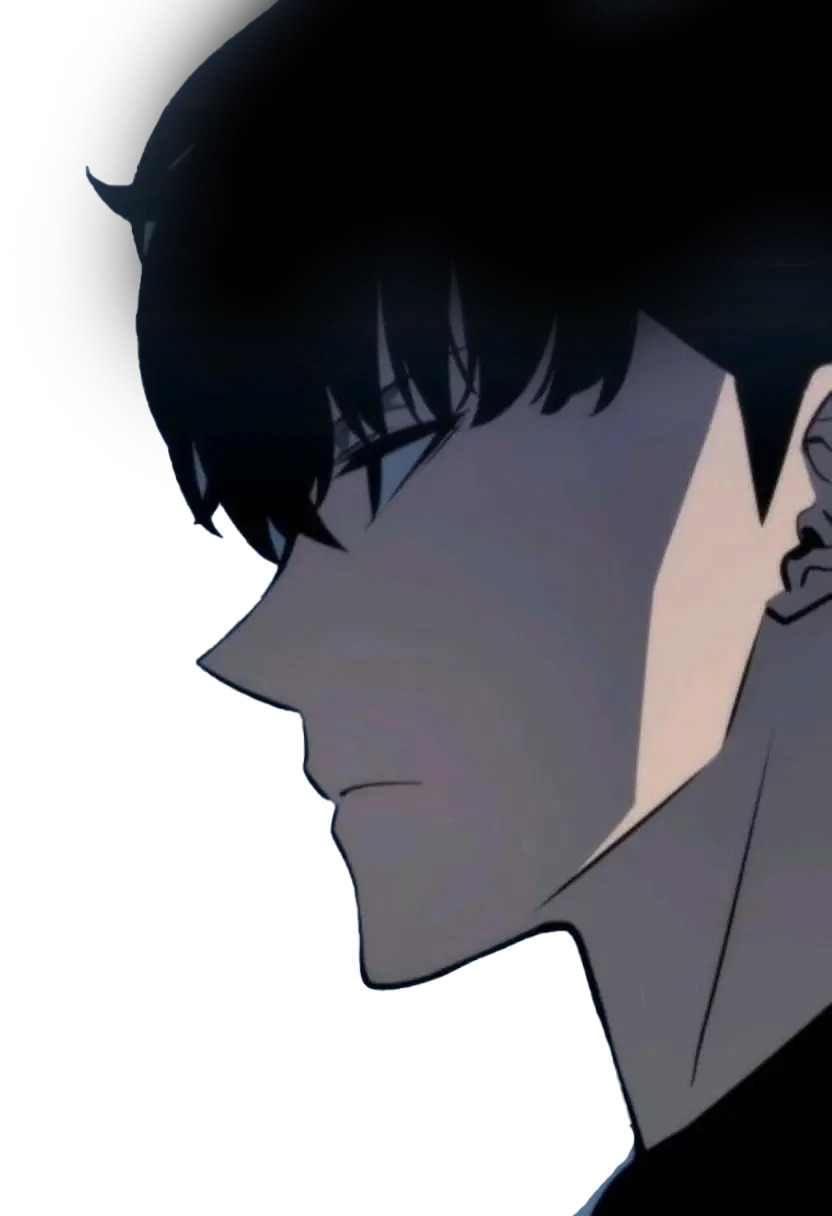
The 'solo' archetype in isekai is often mistaken for a preference for isolation, but the distinction lies in whether solitude is a burden or a weapon. Comparing a YPS-4 physical combatant to a YPS-6 hybrid entity creates a categorical mismatch where raw output numbers become irrelevant. The real divergence appears in their identical Ego scores. For Kirito, self-determination is a shield; he accepts the 'Beater' label to absorb systemic prejudice, protecting the collective by isolating himself. His trajectory in the Alicization arc proves that his growth is not about power, but about expanding the definition of sentience to include the simulated. Sung Jinwoo treats solitude as a tool for efficiency. His ascent from a low-ranked hunter to the Shadow Monarch is a calculated shedding of human vulnerability. While Kirito fights the system to preserve humanity, Jinwoo consumes the system to transcend it. This reveals a fundamental split in how the genre handles the 'solo' player: one uses isolation to carry the weight of others, while the other uses it to discard the weight of being human. The cost of Kirito's journey is psychological trauma and guilt; the cost for Jinwoo is the cold detachment of a monarch who no longer recognizes the fragility that once defined him.
Archetype breakdowns and dispute court land in later phases.