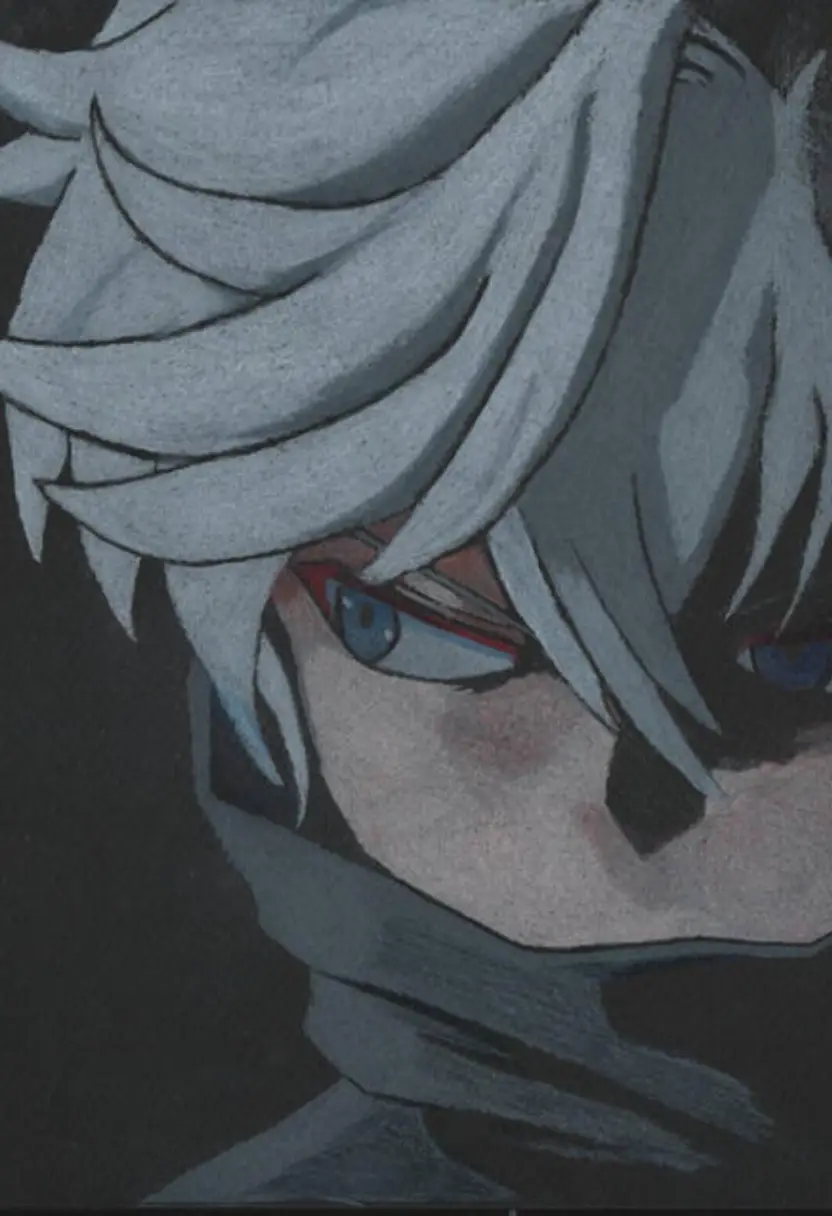

The disparity between divine authority and surgical precision proves that capability is irrelevant without a coherent identity. While both characters sit at YPS-3, the comparison breaks down because their power operates on different axes: one wields the innate mandate of a deity, while the other employs the calculated physics of a professional killer. This cross-type divide reveals that the YPS scale measures output, not utility. For a goddess who treats her divine capacity as a tool for hedonism, YPS-3 is a ceiling she hits by accident during a tantrum. For an assassin who views mana output as an optimization problem, YPS-3 is a meticulously constructed floor. The real divergence lies in their DNA profiles, specifically the relationship between Growth and Ego. Aqua remains a static entity, her divine nature acting as a shield against personal evolution. Lugh, conversely, possesses a complete Growth trajectory, yet he uses that evolution to better serve a mission rather than to define himself. He manages the hero's destiny with clinical efficiency, while she disrupts the world's logic with sheer incompetence. Ultimately, these two represent the opposite poles of isekai failure: the god who refuses to be a person and the tool who is terrified of becoming one.
Archetype breakdowns and dispute court land in later phases.