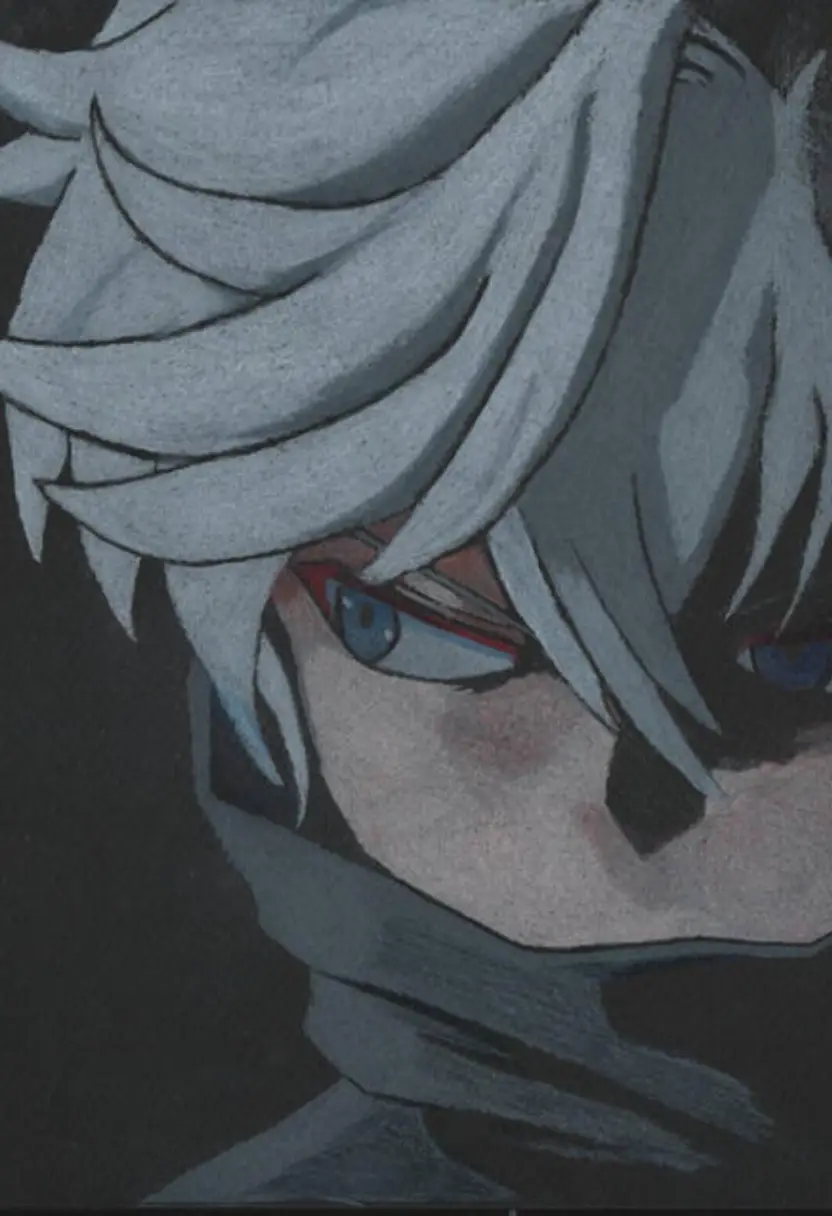

The tragedy of the instrument character in isekai is that their value is usually measured by how well they serve a master, not how they define themselves. While both Beatrice and Lugh reside at YPS-3, comparing them on a power scale is a category error because they operate on divergent axes: one wields an Authority that bends reality, while the other optimizes physical systems to a clinical degree. The real friction exists in their DNA profiles, specifically the inverse relationship between their Ego and Growth. Beatrice begins as a stagnant relic of grief, her existence a loop of waiting for "That Person" until her contract with Subaru transforms her dependency into a choice. Her growth is a psychological liberation from a centuries-old purgatory. In contrast, Lugh treats his reincarnation as an optimization problem. He possesses a Growth score of 100 not because he evolves as a person, but because he relentlessly refines his mana output and tactical utility to avoid becoming a disposable asset. He uses "My Loyal Knights" to manufacture a support system, effectively treating human bonds as another variable in his assassination calculus. Beatrice finds power in her fragility; Lugh finds a facade of humanity in his perfection. Ultimately, Beatrice achieves a level of self-determination that Lugh cannot reach, as he remains a master of the environment but a novice at being a person, forever shackled by the very efficiency that defines him.
Archetype breakdowns and dispute court land in later phases.