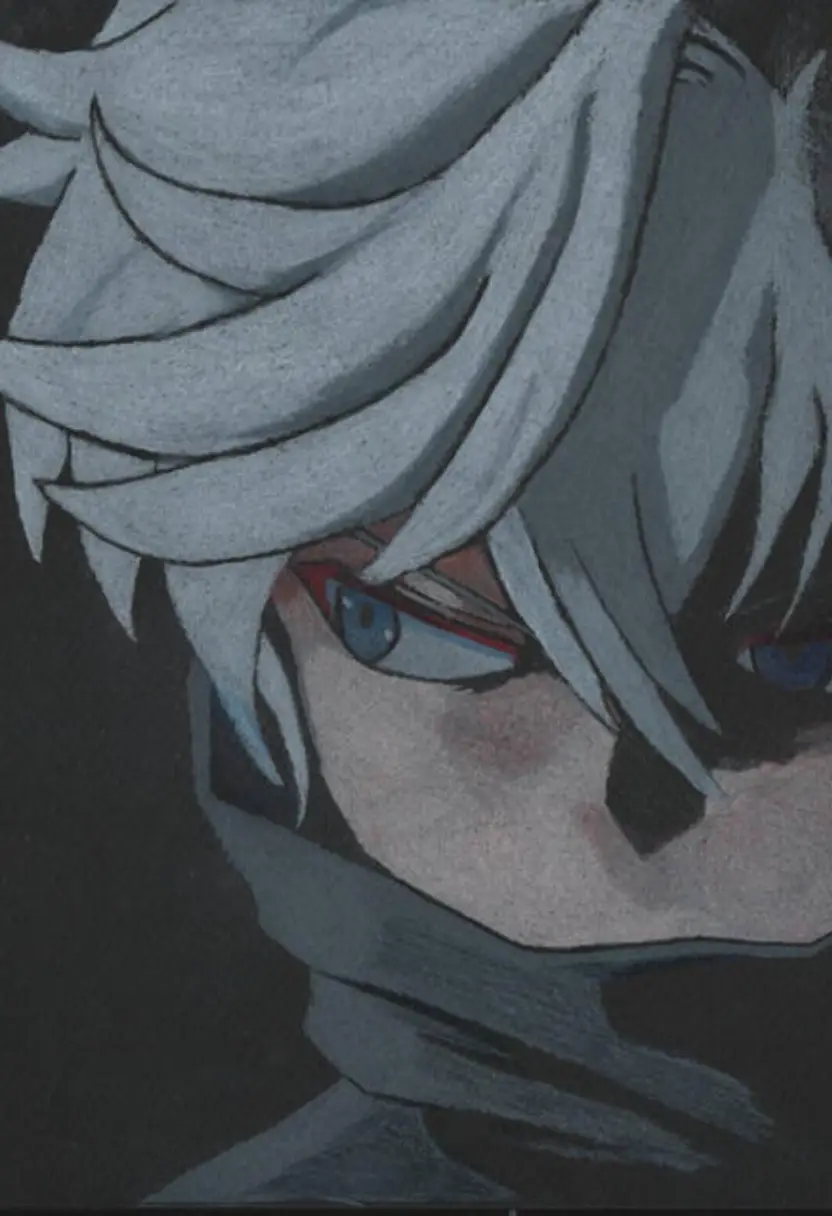

The paradox of utility defines the gap between a shield that loves its burden and a blade that fears its purpose. While Lugh operates at YPS-3 and Darkness sits at YPS-2, the numerical gap in destructive ceiling masks a deeper psychological inversion regarding agency. Lugh spends his entire arc attempting to manufacture a soul, treating his existence as an optimization problem to avoid becoming a disposable asset. He views his skills as a means to buy freedom from the role of a tool. Conversely, Darkness possesses a total lack of ego not because she is devoid of will, but because she finds her fulfillment in the surrender of it. For her, the role of the sacrificial protector is not a burden to be optimized away, but a source of profound satisfaction. Lugh’s struggle for self-determination is a luxury Darkness rejects in favor of the visceral reality of the frontline. Where Lugh uses his growth to distance himself from the cold utility of an assassin, Darkness uses her physical endurance to lean into the vulnerability of the tank. This reveals that a seamless integration into a fantasy world's ecosystem depends not on mana output, but on the alignment of identity with function. Lugh is a master of the environment who remains a novice at being a person, while Darkness is a person who has perfected the art of being an object.
Archetype breakdowns and dispute court land in later phases.