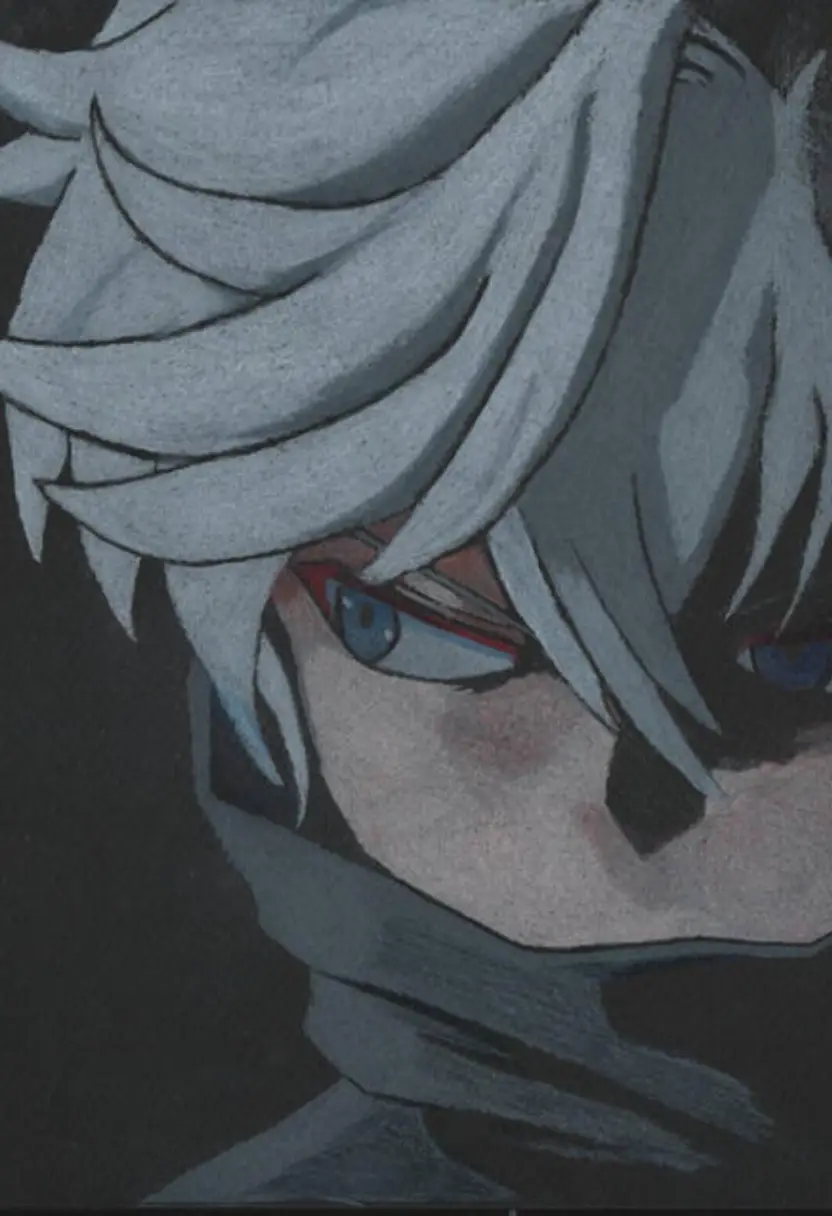

The fundamental friction between an authority-based YPS-4 and a physical YPS-3 renders direct combat metrics irrelevant; instead, the real comparison is how these characters navigate the psychological burden of being a tool. Demiurge represents the horror of a tool that loves its function. He is a creature of programmed perfection who views his lack of moral growth not as a deficit, but as a refined state of efficiency. By interpreting Ainz’s vague musings as divine mandates, he transforms administrative logistics into geopolitical terror, proving that his true power is not his magic, but his absolute submission to a perceived higher will. He does not seek a self because he is the complete realization of his creator's design. Lugh operates on the opposite trajectory, treating his second life as a clinical optimization problem to manufacture a soul from the remnants of utility. While his Growth score is high, this is a desperate attempt to escape the status of a disposable asset. He uses mana refinement and tactical precision not to dominate, but to carve out a fragile space for human connection with Dia and Tarte. Where Demiurge finds liberation in being a weapon, Lugh views his efficiency as a shackle he must manage to avoid returning to the void of his first life. This contrast reveals a core tension in the isekai genre: the divide between power used to enforce a master's design and power used to protect a burgeoning identity. One is a masterpiece of submission; the other is a student of autonomy.
Archetype breakdowns and dispute court land in later phases.