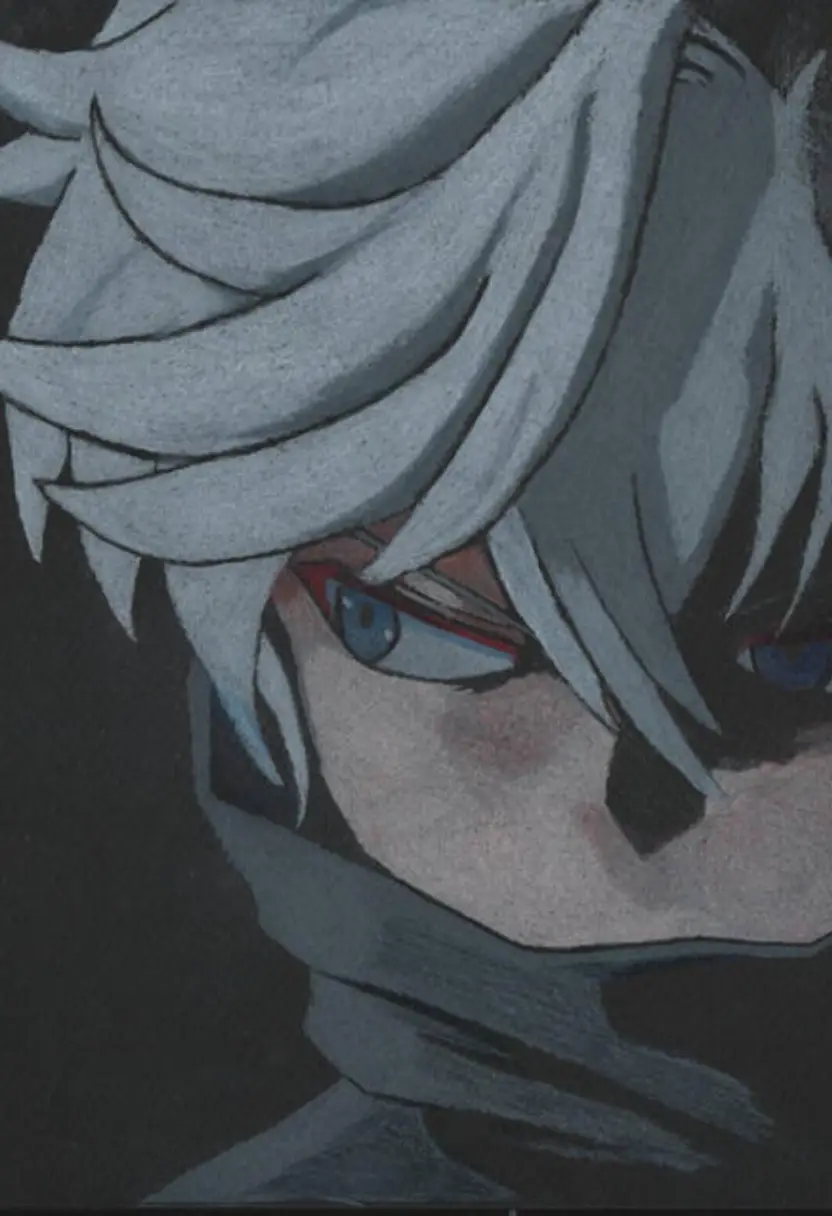

The paradox of a maximum growth score is that it can represent either the birth of a will or the dismantling of a machine. Comparing a YPS-2 narrative catalyst to a YPS-3 physical operative is a category error; the social magnetism of the Ring of Gluttony operates on a different axis than Lugh’s mana-optimized sniping. While YPS levels suggest a gap in destructive ceiling, the real tension lies in their inverted trajectories. Iruma begins as a passive void, a survivor whose low Ego score reflects a life spent avoiding conflict. His arc is a climb toward agency, where leadership emerges not from a desire to rule, but from a refusal to let his bonds break. Conversely, Lugh starts as a finished product—a clinical instrument of death. His growth is not an ascent in capability, but a descent into the messy, inefficient reality of human emotion. Where Iruma uses his growth to build a world around him, Lugh uses his to stop seeing the world as a series of optimization problems. The "My Loyal Knights" skill is less a tactical asset and more a confession of his need for genuine connection. Ultimately, these two reveal that isekai power is often a mask for internal deficiency: Iruma lacks a self, while Lugh lacks a soul. Their identical growth ratings track two opposite journeys—one toward the ego and one away from the tool.
Archetype breakdowns and dispute court land in later phases.