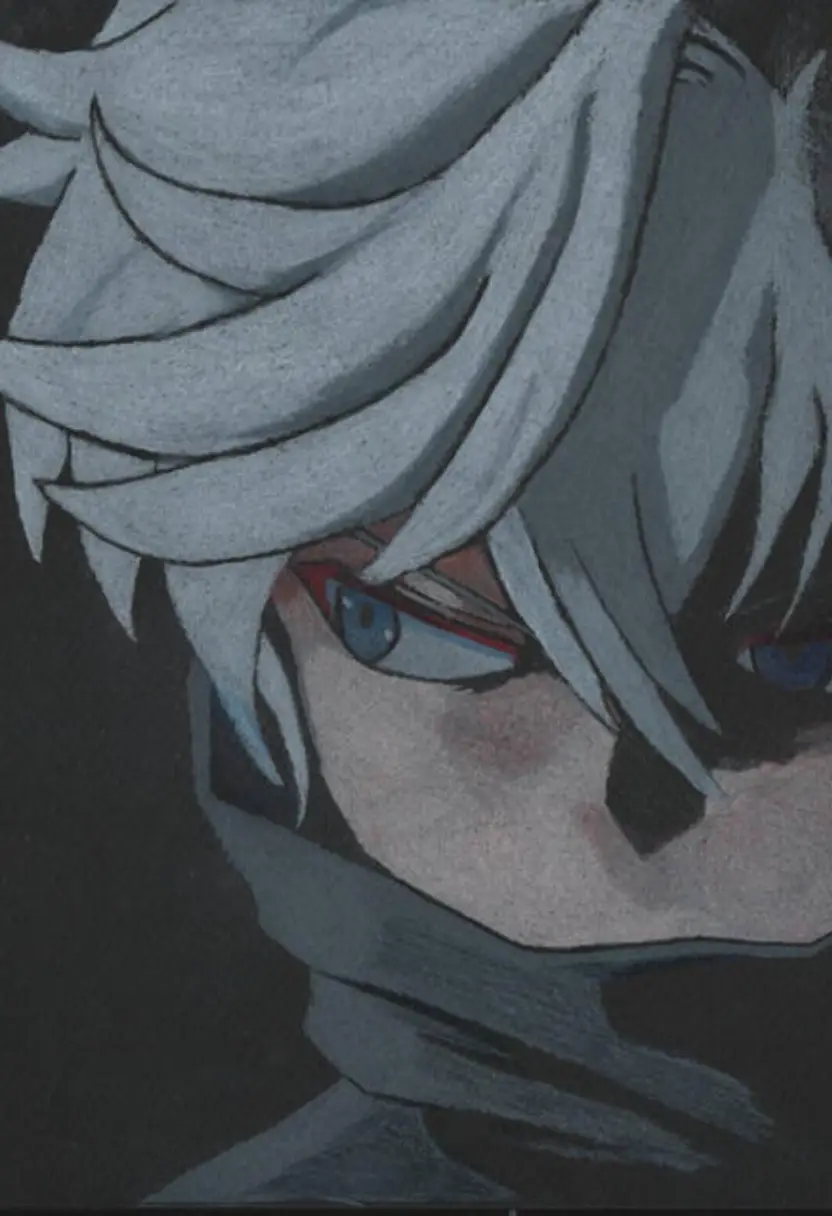
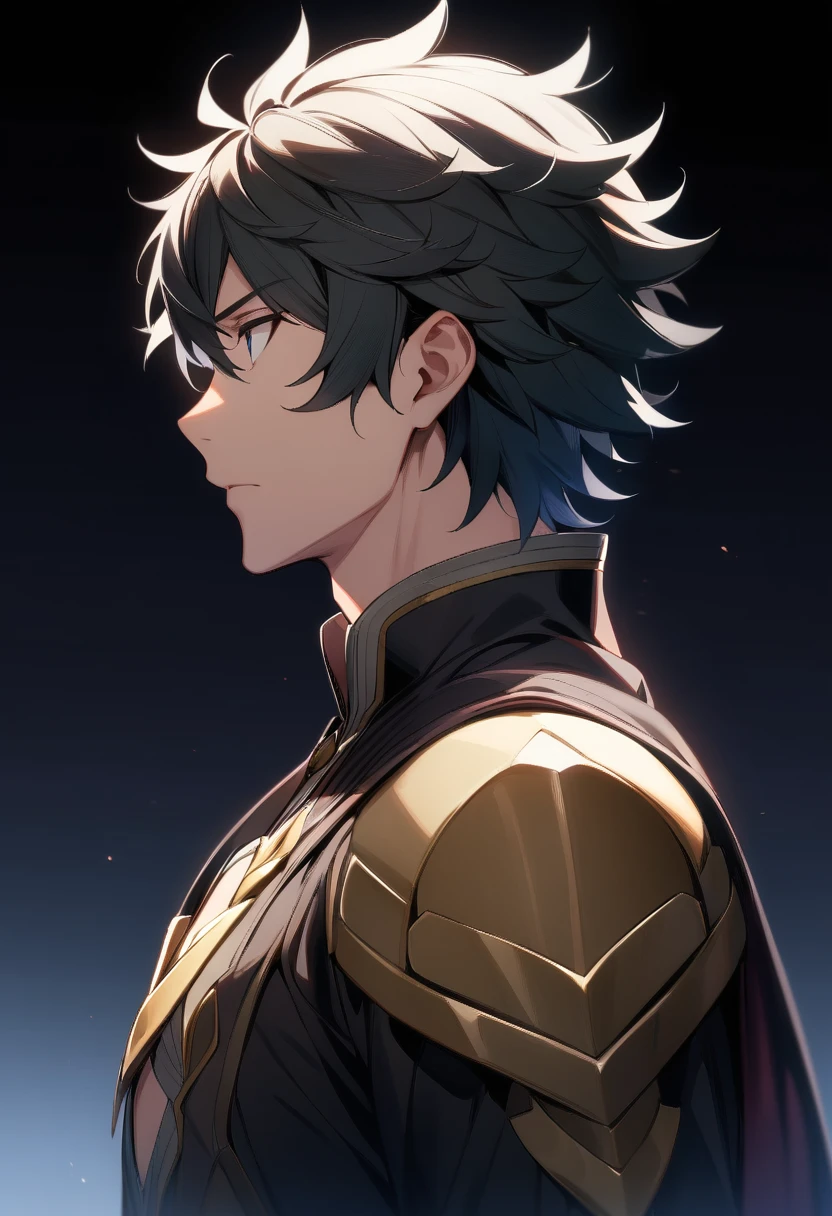
Reincarnation is often framed as a fresh start, but this pairing reveals that growth is more authentic when it is a response to trauma than a calculated optimization. Lugh operates as a YPS-3 precision instrument, treating his second life as a high-stakes engineering project. His Growth 100 reflects a clinical expansion of capability; he refines mana output and integrates skills like 'My Loyal Knights' to ensure he is no longer a disposable asset. He attempts to manufacture a soul through tactical calculus, yet he remains a tool of his own design. Naofumi’s trajectory as a YPS-4 deterrent follows a different logic. His ascent from a branded criminal to a territorial governor isn't a result of optimization, but of a total collapse of trust that forced him to build a new foundation. While Lugh manages the hero's destiny from the shadows to satisfy a mandate, Naofumi absorbs the world's hatred to protect Raphtalia and Filo. The tension lies in their Ego scores. Lugh possesses more self-determination on paper, yet he is the one more shackled by his original purpose. Naofumi’s zero Ego is not a lack of will, but a tactical submission to the needs of those he shields. This comparison proves that the ability to be broken is a more powerful catalyst for change than the ability to be perfect.
Archetype breakdowns and dispute court land in later phases.