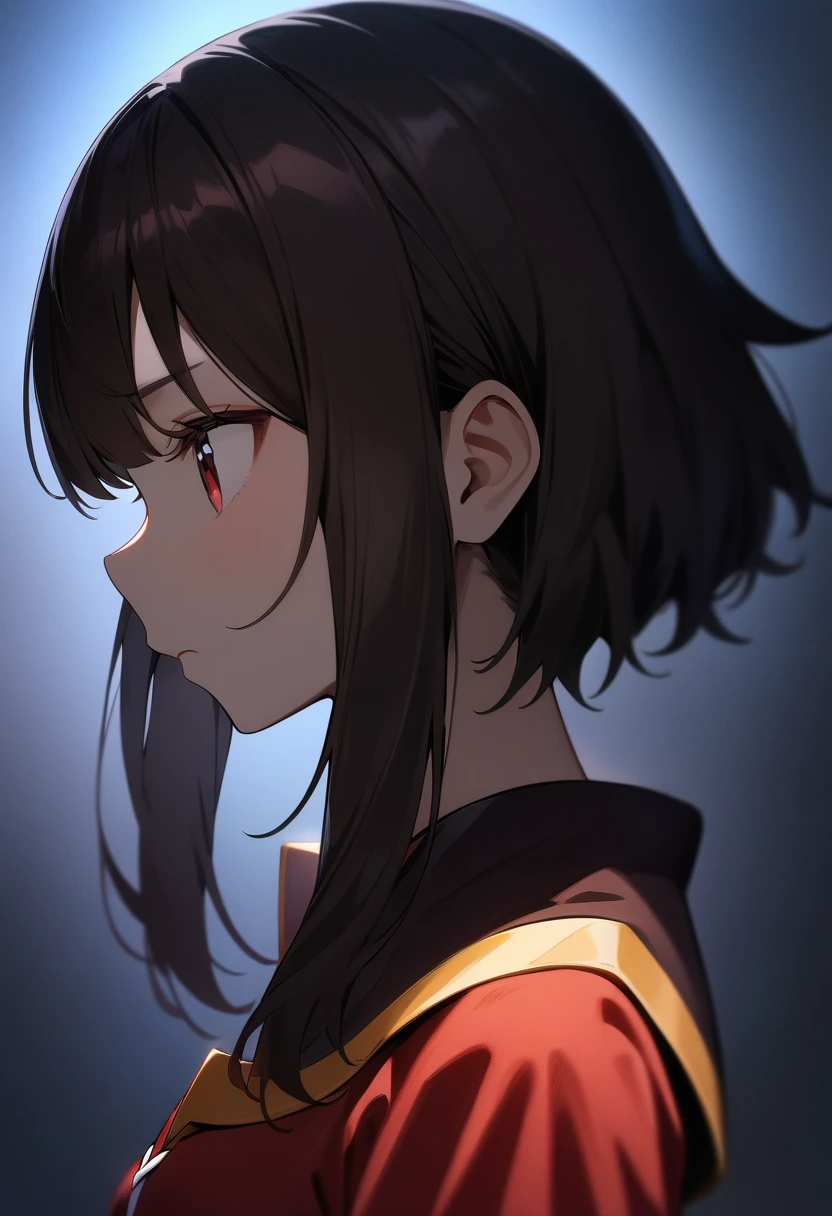

Restriction functions as the primary catalyst for identity in both these narratives, transforming a lack of versatility into a strategic asset. While one character accepts a self-imposed limitation for the sake of aesthetic purity and the other endures a systemic restriction born of betrayal, both trajectories prove that the isekai optimization loop is a distraction from actual character growth. The gap between YPS-3 and YPS-4 is less about raw output than it is about the nature of their utility. Megumin’s commitment to a single, city-level spell renders her a liability in every sense except the one that matters, mirroring the way Naofumi’s inability to attack forces a reliance on systemic thinking and the cultivation of bonds with Raphtalia and Filo. The shared zero-scores in Ego and Luck are telling; neither is a traditional protagonist driven by a grand vision or saved by narrative convenience. Instead, they are defined by what they cannot do. Megumin's refusal to learn other magic and Naofumi's forced role as a defensive anchor create a mirrored experience of specialization. The comparison breaks down when looking at Darkness—one operates in a world of slapstick poverty while the other navigates a landscape of political persecution—but the result is the same. By abandoning the pursuit of a balanced skill set, they shift the narrative focus from capability to reliability.
Archetype breakdowns and dispute court land in later phases.