
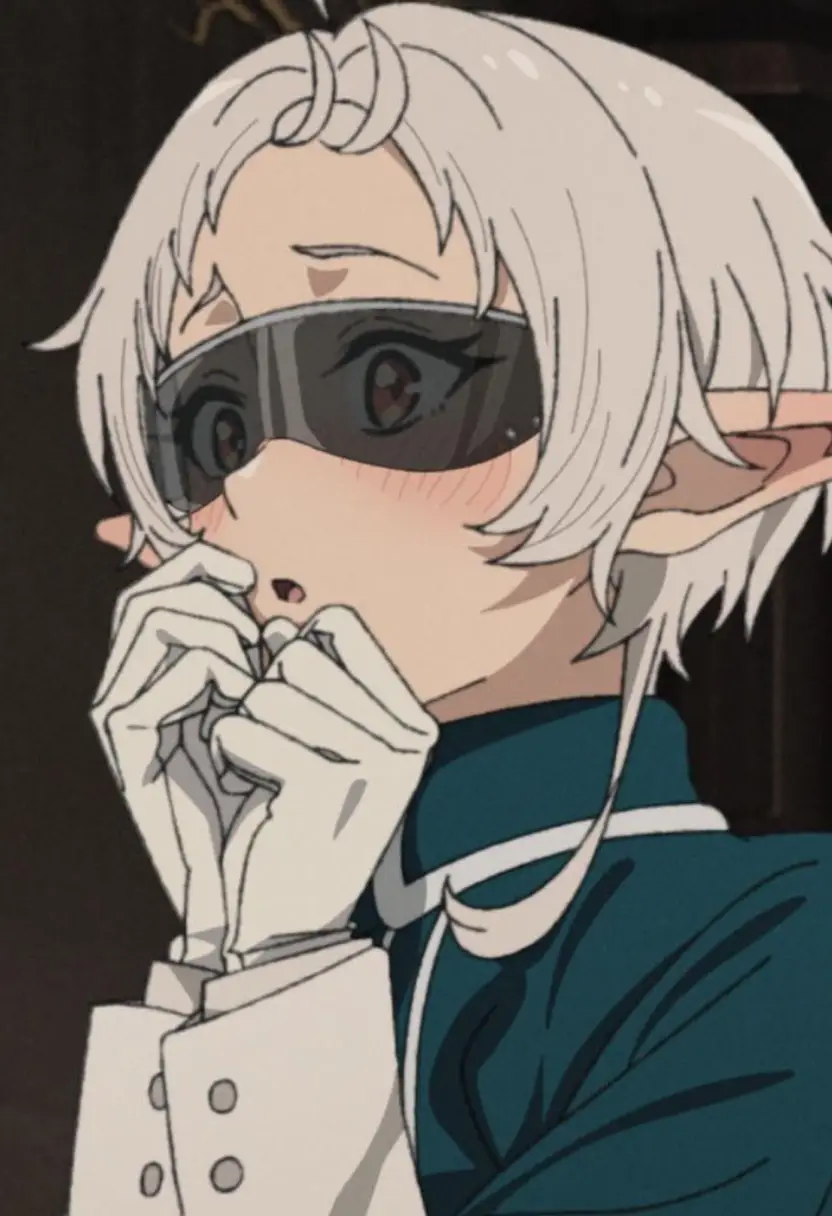
True growth in the isekai genre is often mistaken for a climb in power, but the disparity between these two profiles proves that advancement is actually a measure of how a character handles inadequacy. One operates as a strategic deterrent at YPS-4, yet possesses zero ego, meaning every advancement in the Shield's capability is a response to a world that demands protection while denying the protector's humanity. This trajectory is a forced evolution; building infrastructure and managing territories is a survival mechanism rather than a pursuit of status. Conversely, the climb to YPS-3 for the other is a deliberate act of self-actualization. The transition from a bullied child to the persona of Fitts is a calculated attempt to bridge the gap between her self-perception and the standard set by those she loves. While the YPS gap indicates a difference in destructive ceiling, the real divergence lies in the DNA of their motivation. One is a reluctant linchpin forged by betrayal, the other is a chosen anchor driven by a need for equality. This comparison breaks down if viewed as a combat trial, but as a study of agency, it reveals a stark truth: the character with the higher power tier is the one with minimal personal will driving their ascent. The absence of luck and ego transforms the YPS-4 rank into a cage of responsibility, whereas the presence of both allows the YPS-3 character to find a stable, domestic peace.
Archetype breakdowns and dispute court land in later phases.