
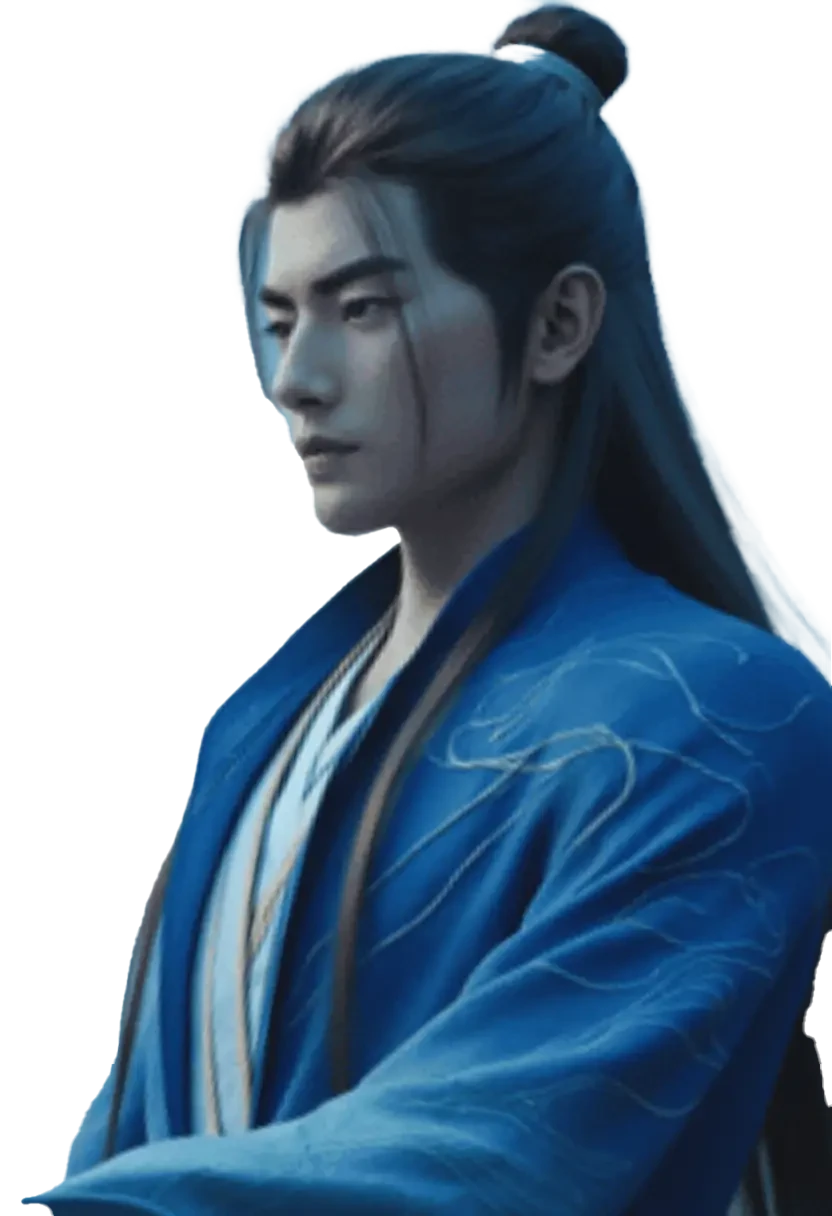
The distance between a YPS-7 world-shaper and a YPS-2 combatant is a chasm that renders traditional combat comparisons meaningless, but it highlights a fundamental divide in how isekai treats agency. Han Li represents the total victory of the individual over the environment. His trajectory from a farmer with subpar spiritual roots to a being capable of rewriting physical laws is a clinical exercise in risk mitigation and resource hoarding. He does not just navigate the system; he eventually replaces its architecture. This makes his perfect Ego score a reflection of total autonomy, where survival is a technical problem to be solved. Rem exists in a state of perpetual deficit, and that is precisely why her narrative carries more emotional weight. Her struggle is not against the laws of the universe, but against the psychological shadow of her sister, Ram. While Han Li’s growth is a vertical climb toward godhood, Rem’s is a horizontal expansion of the heart. She defines her value through service and sacrifice, turning her perceived inadequacy into a source of unconditional loyalty. The irony is that Han Li’s total autonomy results in a sterile existence, whereas Rem’s lack of agency creates the emotional resonance of her arc. One character achieves the power to command the heavens, yet the other possesses the far more difficult power to find self-worth while believing herself to be a defective substitute. In the economy of character writing, the YPS-2 servant provides a more complex study of identity than the YPS-7 architect.
Archetype breakdowns and dispute court land in later phases.