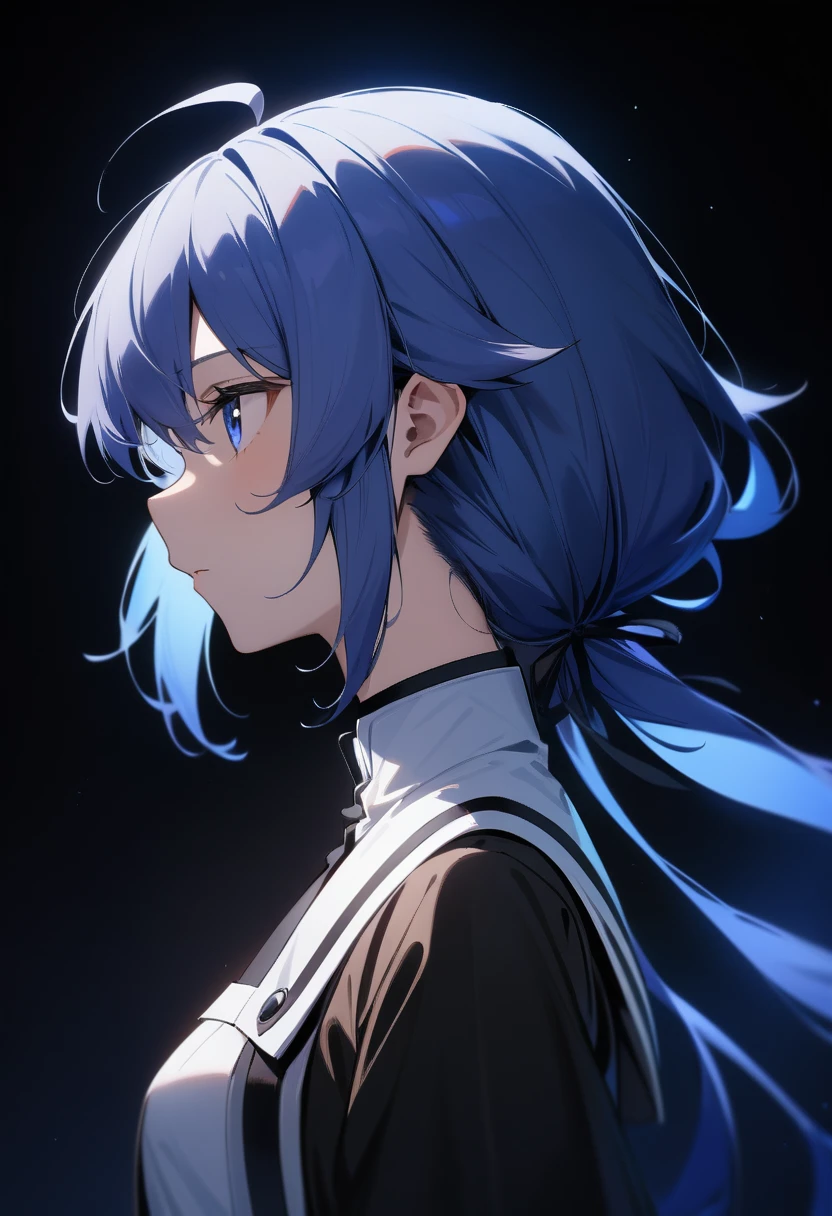
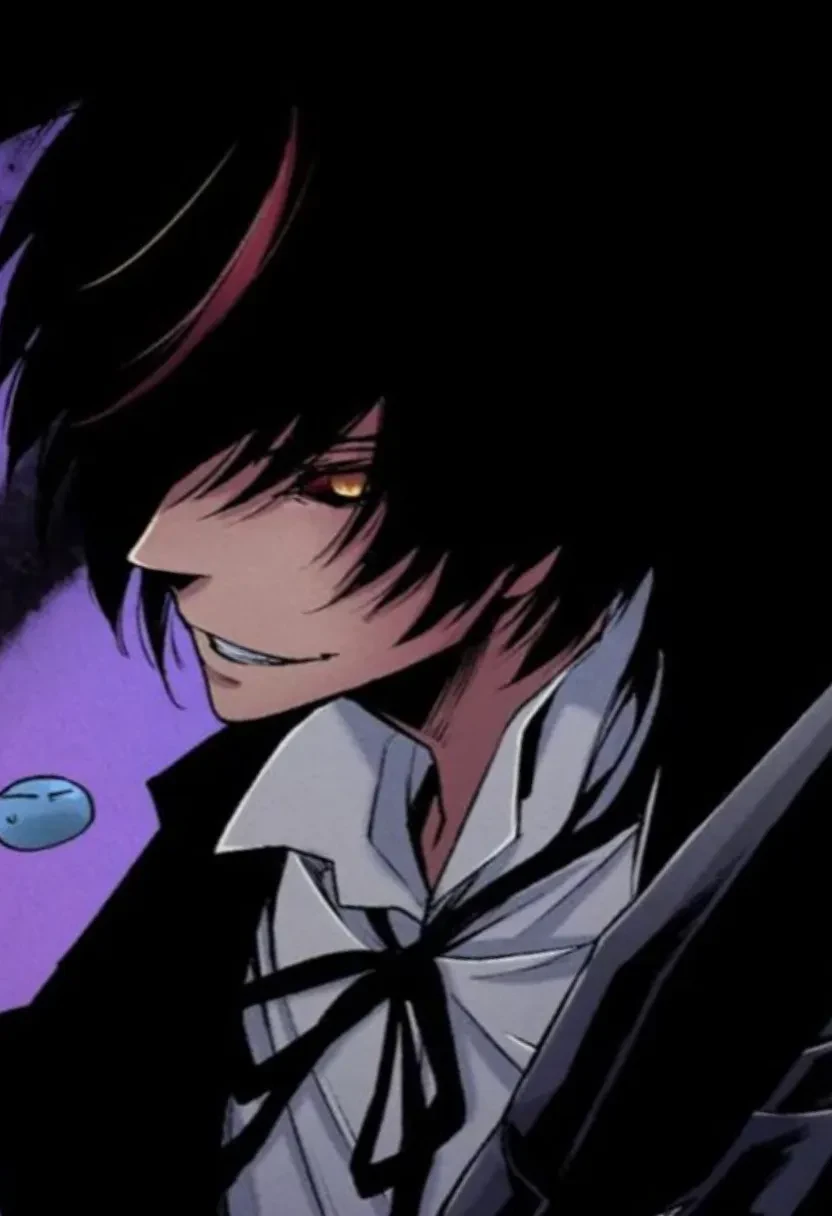
The contrast between Diablo and Roxy Migurdia isn’t about power scaling—a comparison where the YPS-5 Diablo simply overwhelms the YPS-3 Roxy—but about the fundamental question of what an isekai character *wants*. Both characters are defined by a core, consuming devotion, yet the object of that devotion reveals a crucial split in the genre. Diablo’s entire being is oriented toward Rimuru, a master he elevates through absolute, unquestioning service. His power isn’t a means to personal fulfillment, but an extension of Rimuru’s will, a tool for building a kingdom *for* someone else. This is a pattern common in isekai: the protagonist as a benevolent dictator, supported by forces who derive meaning from their position within the hierarchy. Roxy, however, actively seeks a reciprocal connection. Her growth isn’t about becoming more powerful, but about finding a place *with* someone, a family to belong to. Rudeus isn’t a king to be served, but a partner to be understood and loved. This distinction is critical. Diablo embodies the isekai fantasy of effortless dominion, of wielding godlike power to shape the world according to a single vision. Roxy represents a more subtle, and arguably more human, desire: the longing for genuine connection, for a life built not on power, but on mutual respect and affection. The fact that the series treat these two desires with equal weight—one a continent-level threat, the other a quietly powerful mentor—suggests the genre is beginning to grapple with the limitations of its own power fantasies.
Archetype breakdowns and dispute court land in later phases.