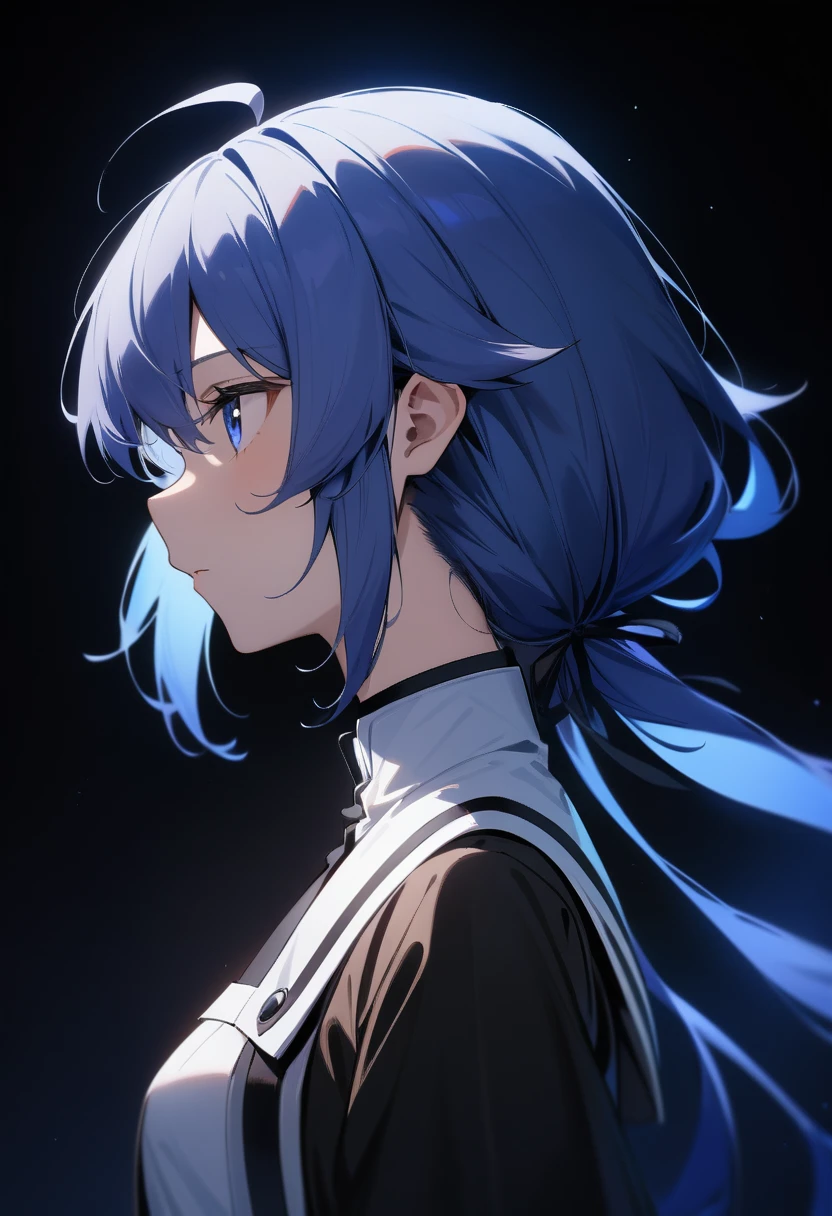
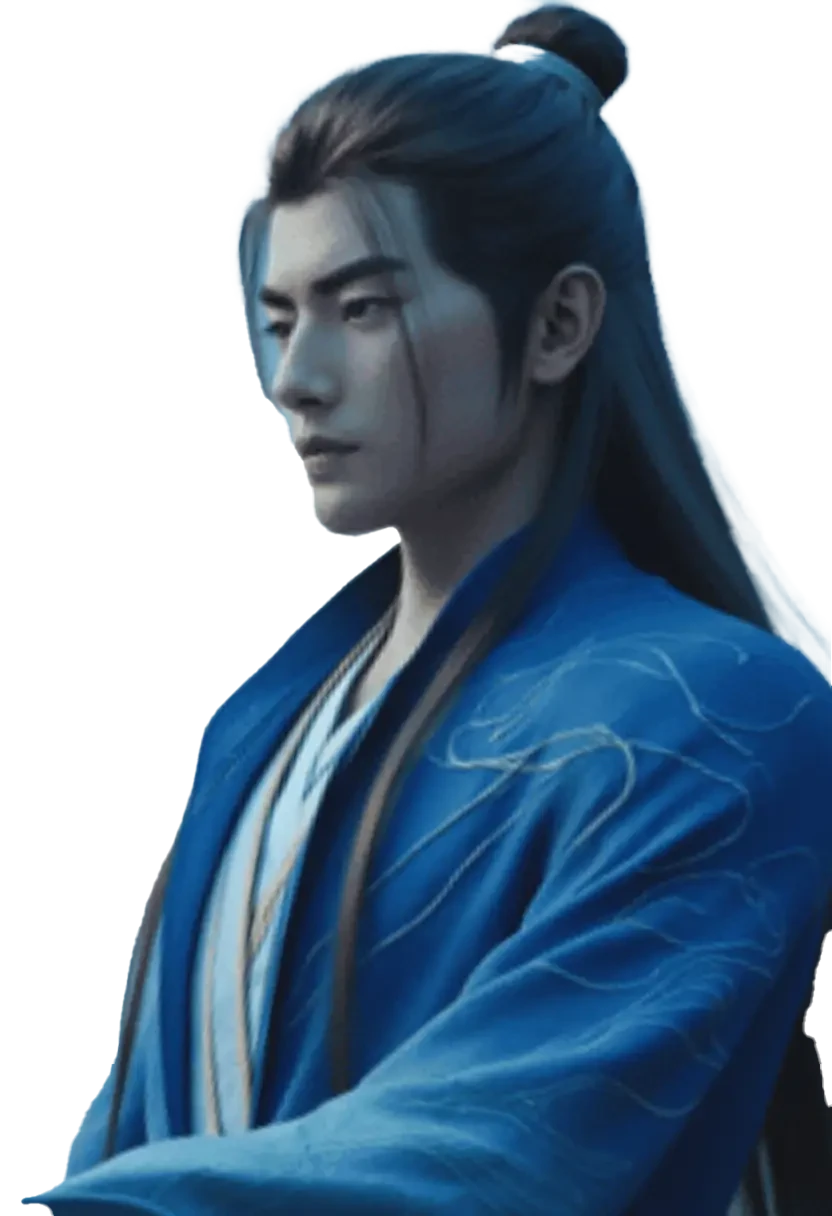
The chasm between a YPS-3 practitioner and a YPS-7 architect renders traditional combat analysis irrelevant, but it exposes a critical trade-off between systemic mastery and emotional resonance. Han Li’s trajectory from a farmer with False Spiritual Roots to a being who replaces the celestial order is a masterclass in Ego and resource management. He treats existence as a series of technical hurdles to be cleared, optimizing his way into a state where the physical laws of the universe are merely suggestions. However, this vertical ascent eventually erodes the very stakes that make a character relatable. When the objective is total autonomy through cosmic power, the human element becomes a liability to be managed. Roxy Migurdia operates on a scale where failure remains a tangible threat, and this fragility is exactly where her narrative value peaks. Her growth is not measured by an increase in YPS tier, but by the dismantling of her self-imposed isolation. While Han Li optimizes his environment, Roxy navigates her inadequacies, transforming her trauma as a Superd outcast into a capacity for deep, familial connection. The tension here is a classic isekai paradox: the character who gains everything in terms of power often loses the ability to experience the vulnerability that drives a compelling character study. Han Li achieves the objective of the cultivator, but Roxy achieves the more difficult goal of being seen and loved despite her flaws. The technical gap is vast, but the emotional weight tilts heavily toward the mage who remains bounded by the world's physics.
Archetype breakdowns and dispute court land in later phases.