
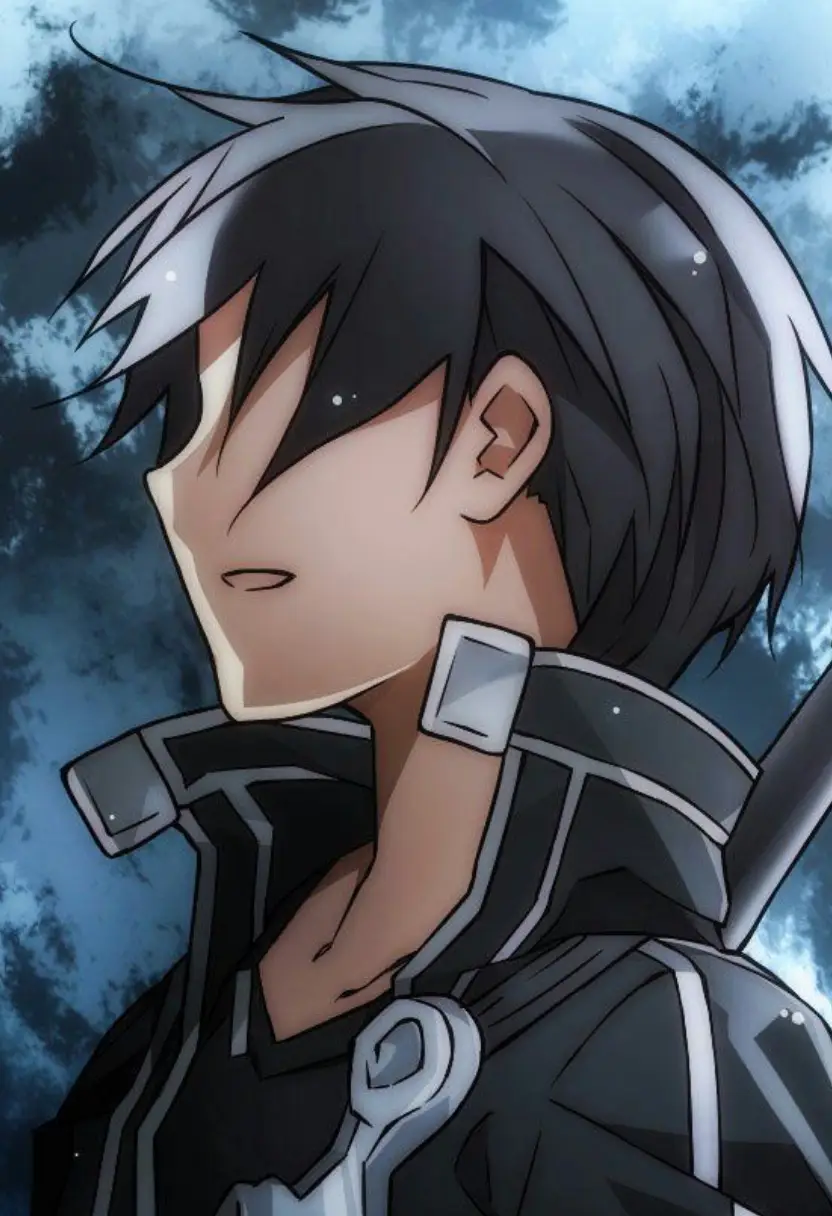
The identical growth and power scores between these two characters expose a fundamental truth about the isekai experience: emotional maturation is independent of destructive scale. While Kirito operates at YPS-4 and Roxy at YPS-3, this gap in strategic utility masks a shared narrative trajectory. Both characters begin as social outliers—one a shut-in gamer, the other a misunderstood Migurd—and move toward a state of relational stability. The divergence appears in their Ego. Kirito’s path is one of absolute self-determination; he forces the system to bend to his will, whether by bypassing game mechanics in Aincrad or challenging the laws of the Underworld. He carries a heavier moral cost, evidenced by his higher Darkness score, as he absorbs the guilt of those he fails to save. Roxy, conversely, finds her resolution through surrender. Her growth is not an ascent to power but a descent into the vulnerability of family life and romantic commitment. She trades the autonomy of a wandering mage for the stability of a home, reflecting an Ego score that prioritizes connection over control. This comparison demonstrates that while Kirito fights to protect a world he barely trusts, Roxy fights to belong to a world that finally accepts her. The YPS tier is a distraction; the real story is the movement from the void of isolation to the weight of bonds.
Archetype breakdowns and dispute court land in later phases.