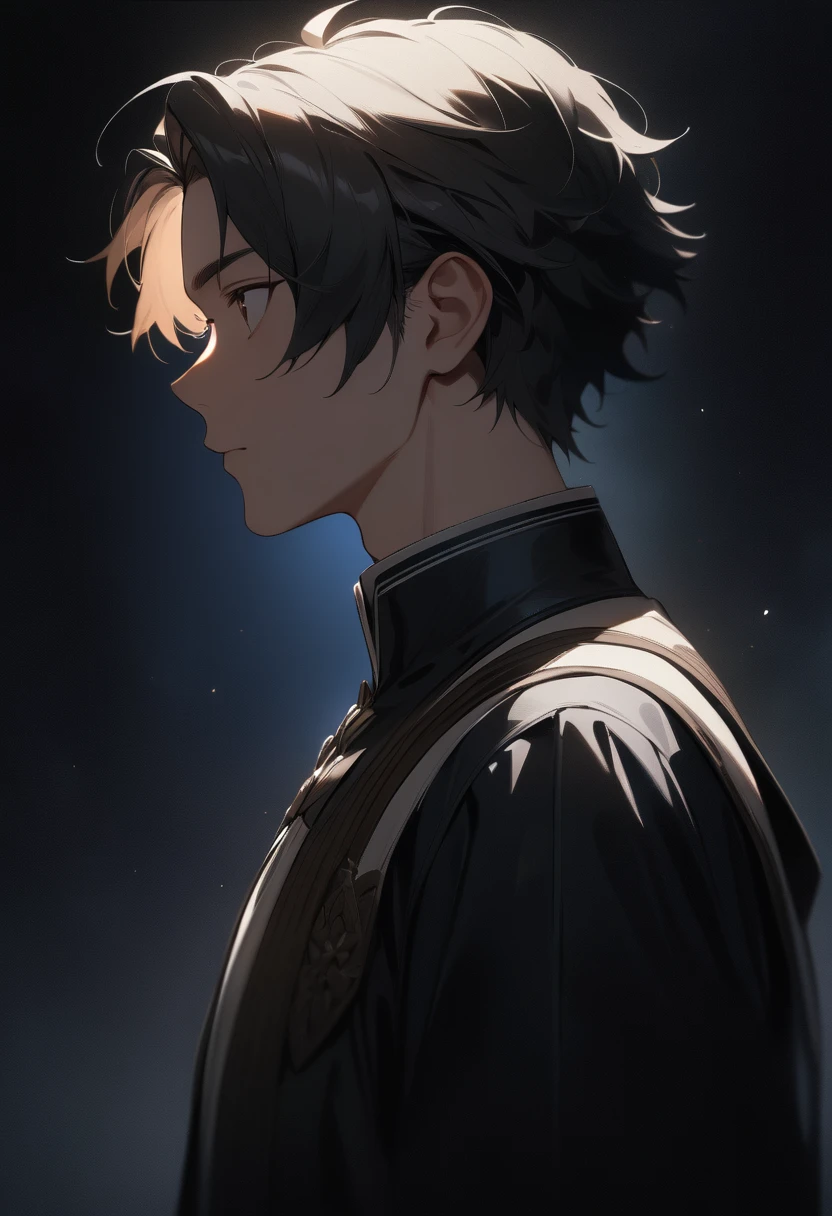

The distinction between nation-level agents lies not in their capacity for destruction, but in the origin of their agency. At the YPS-4 tier, both characters hold the potential to shift political landscapes, yet their trajectories move in opposite directions. One fights to emerge from a shadow cast by history, while the other fights to escape the shadow of a previous self. For Emilia, the battle is one of external recognition; she must dismantle the societal projections that link her to the Witch of Envy to claim a self that was stolen from her. Her arc is a slow, agonizing climb from a blank slate toward political and personal autonomy. Conversely, the struggle for Rudeus is an internal negotiation with a disgraced identity. He does not seek to be recognized by the world as a new person so much as he seeks to prove to himself that his second life is not a mere repetition of his first failure. While Emilia’s growth is measured by her ability to command authority in a world that rejects her, his is measured by his ability to maintain human connection despite a broken psyche. This divergence highlights a fundamental split in isekai narrative structure: one character seeks to carve out a space in a world that fears her, while the other seeks to rebuild a soul in a world that offers him a second chance.
Archetype breakdowns and dispute court land in later phases.