Cross-type comparison · authority vs narrative · ranking may not be meaningful
Character DNA · Head-to-Head
Shapes, not totals. The hero you worship defines who you are.
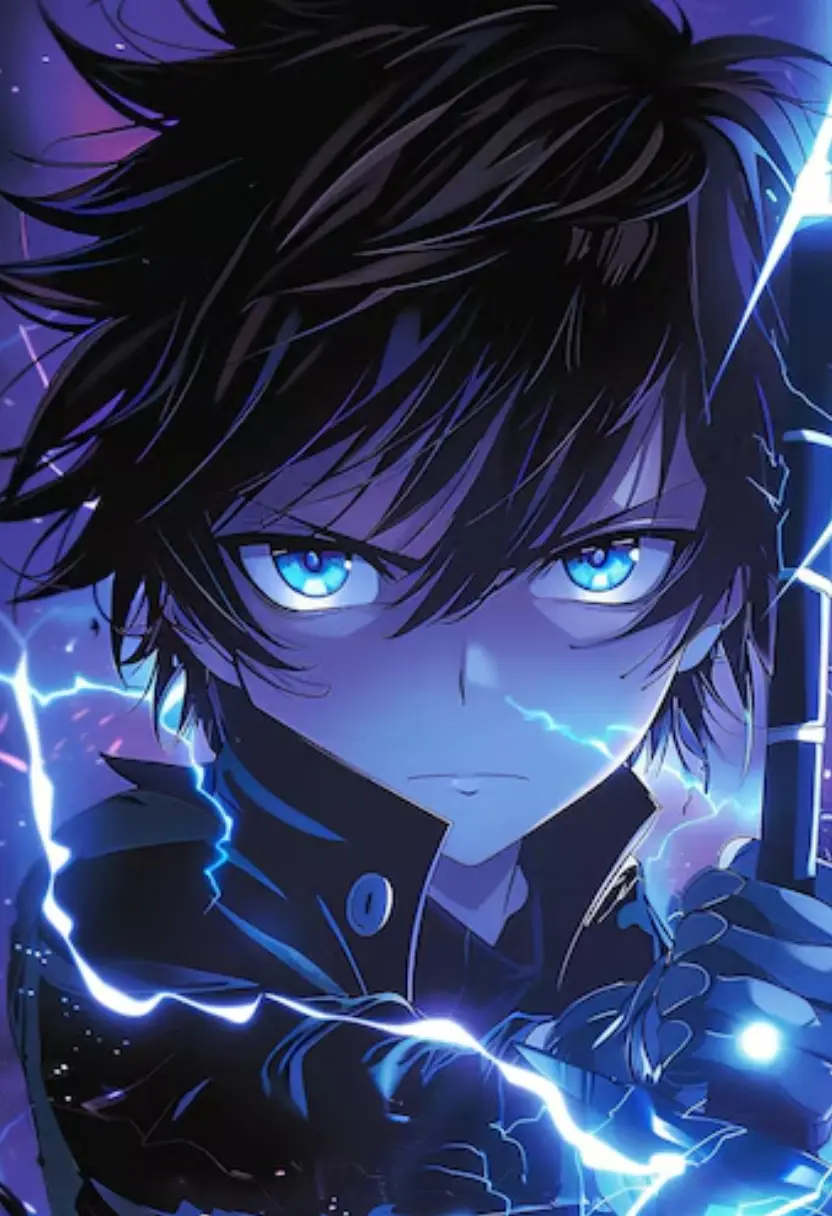
Death March to the Parallel World Rhapsody
SATOU PENDRAGON
YPS-7 · World Ender
Finger Test
💭
Thought alone
Vacationing in a near-omnipotent loadout. Power deliberately obscured for plot leisure.
VS
POWER40 / 10GROWTH100 / 100DARKNESS60 / 36BONDS100 / 75EGO45 / 15LUCK36 / 36
Character DNA · 6 Dimensions
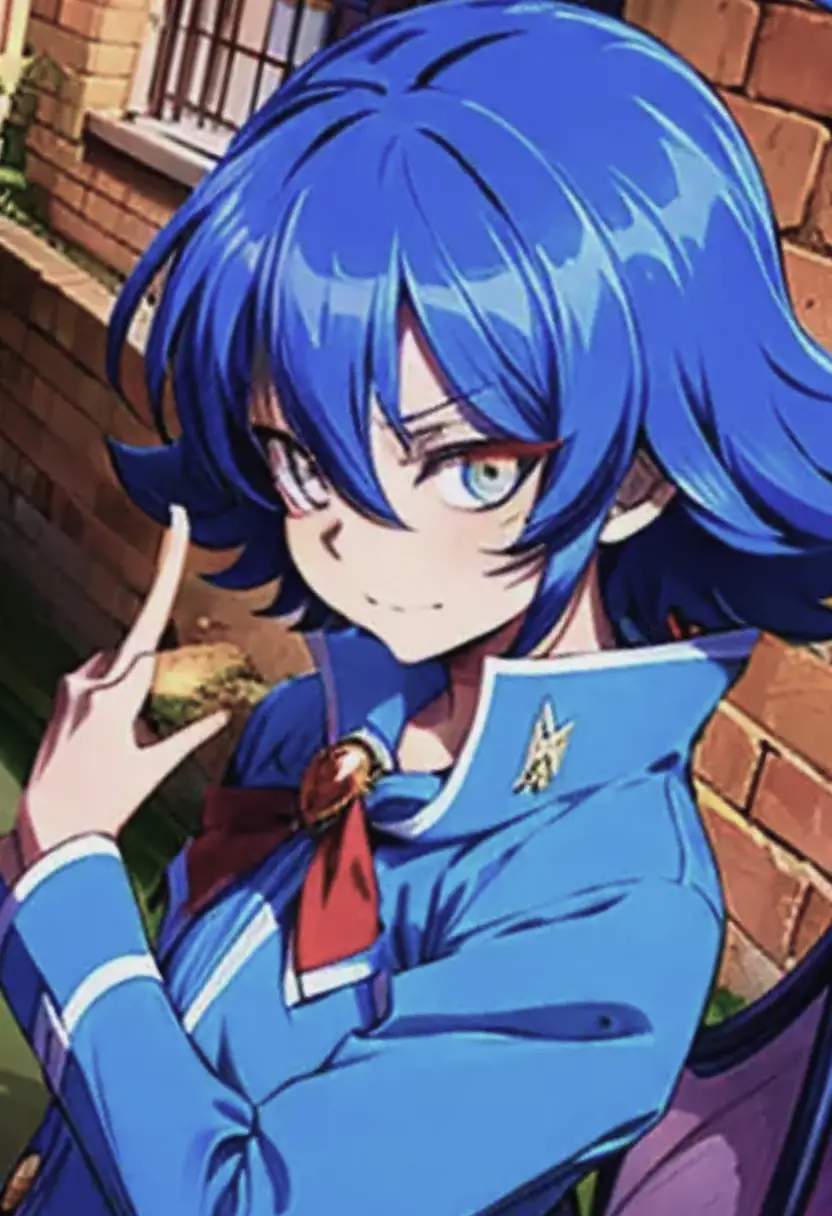
Welcome to Demon School! Iruma-kun
IRUMA SUZUKI
YPS-1 · Human
Demon-school protagonist whose virtue is genre subversion. Growth via evil-cycle, ego near zero.
POWER40 / 10GROWTH100 / 100DARKNESS60 / 36BONDS100 / 75EGO45 / 15LUCK36 / 36
Death March to the Parallel World Rhapsody
SATOU PENDRAGON
YPS-7
Finger Test
💭
Welcome to Demon School! Iruma-kun
IRUMA SUZUKI
YPS-1
Analysis
YPS-7
Dominant power gap
YPS-1
DNA edges — character identity, not combat power
raw destructive ceiling+30
self-determination and identity+30
who they fight for+25
Satou PendragonvsIruma Suzuki

The paradox of maxed-out growth reveals that personal evolution in isekai serves as either a bridge to society or a wall against it. Because these characters operate on cross-type axes—Iruma Suzuki utilizing narrative-driven YPS-2 capabilities and Satou Pendragon wielding YPS-7 authority—direct power comparisons are meaningless. Instead, the data reveals a fundamental divergence in how growth interacts with ego. Iruma’s growth is transformative; he leverages the Ring of Gluttony not for dominance, but to transition from a passive survivor into a leader who earns his status through vulnerability. His low ego is a catalyst for genuine relational weight, making his bonds a product of shared struggle. Conversely, Satou’s growth is logistical. Despite his capacity to rewrite physical laws, he uses his progression to curate a comfortable vacuum, treating the world as a simulation. While Iruma grows to integrate into the demon world, Satou grows to insulate himself from it. His bonds, such as those within his Labyrinth City orphanage, function as assets in a curated life rather than catalysts for internal change. Iruma’s arc is a climb toward visibility and responsibility, while Satou’s is a descent into a high-functioning anonymity. This comparison proves that high growth scores do not indicate a shared trajectory, but rather a different relationship with agency. One character uses evolution to find a place in the world, while the other uses it to ensure the world never disrupts his peace.

Satou Pendragon
Dimension
Iruma Suzuki
Editor
40
Community
POWER
destructive ceiling
+30
Editor
10
Community
Editor
100
Community
GROWTH
trajectory & arc
Editor
100
Community
Editor
60
Community
DARKNESS
moral cost willingness
+24
Editor
36
Community
Editor
100
Community
BONDS
loyalty weight
+25
Editor
75
Community
Editor
45
Community
EGO
self-determination
+30
Editor
15
Community
Editor
36
Community
LUCK
narrative protection
Editor
36
Community
Cast Your Vote · 6 DimensionsCommunity pulse
SATOU PENDRAGONLeft
Power40
Growth100
Darkness60
Bonds100
Ego45
Luck36
IRUMA SUZUKIRight
Power10
Growth100
Darkness36
Bonds75
Ego15
Luck36

Archetype breakdowns and dispute court land in later phases.