
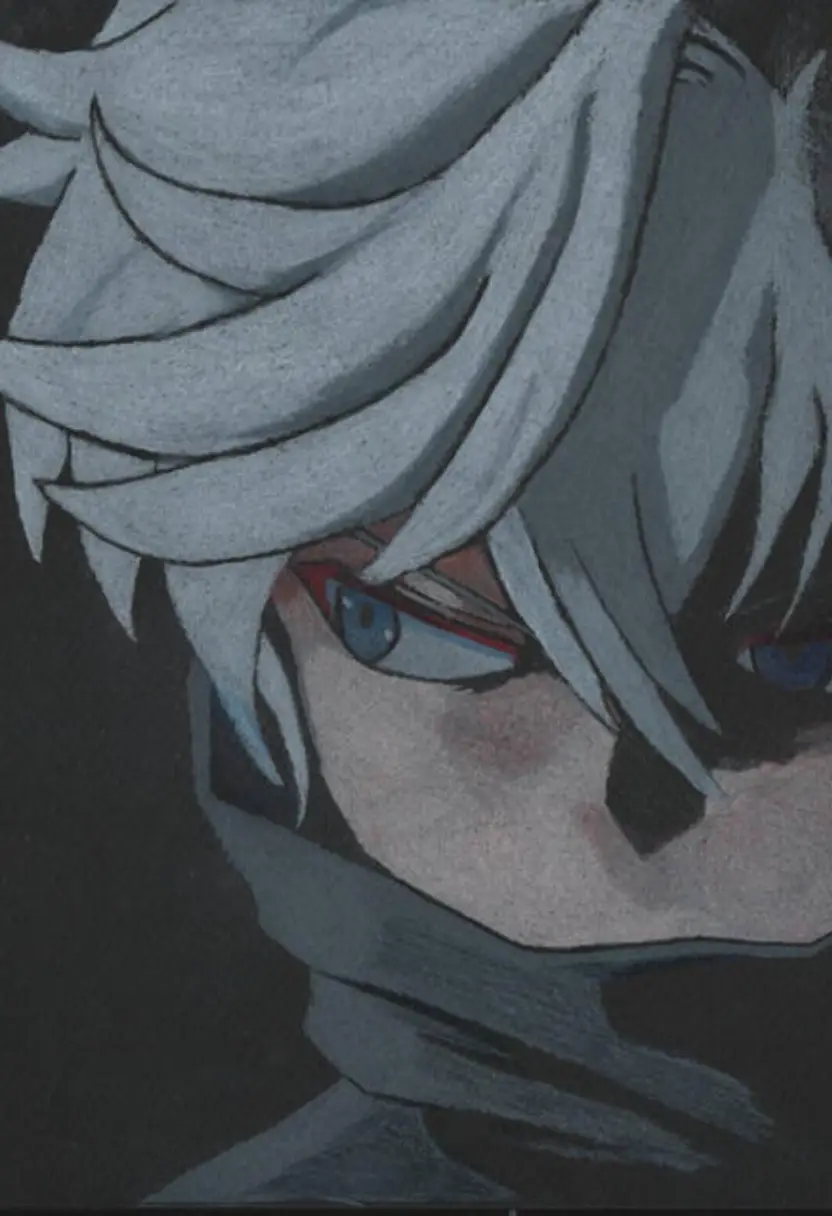
The true divide between a tactical operative and a casual deity isn't the gap between YPS-3 and YPS-7, but rather their differing philosophies on invisibility. Because Lugh operates on a physical axis of precision while Satou wields systemic authority, a direct power comparison is a category error. Instead, the real tension lies in how they weaponize anonymity. Lugh treats his stealth as a survival mechanism, a way to ensure he is never again a disposable asset. His integration of the 'My Loyal Knights' skill is a clinical attempt to manufacture the bonds he lacks, proving that his growth is a desperate climb toward becoming a person rather than a weapon. Satou, however, views his invisibility as a luxury. By rejecting the Chevalier Peerage and prioritizing his orphanage in Labyrinth City, he uses his authority to curate a sterile, domestic existence. Where Lugh optimizes his existence to escape the role of a tool, Satou optimizes his to escape the role of a leader. One is a man fighting to enter the human experience; the other is a god fighting to pretend he is just a tourist. Their shared DNA in growth and ego reveals a shared desire for autonomy, but while Lugh seeks the agency to love, Satou seeks the agency to be left alone.
Archetype breakdowns and dispute court land in later phases.