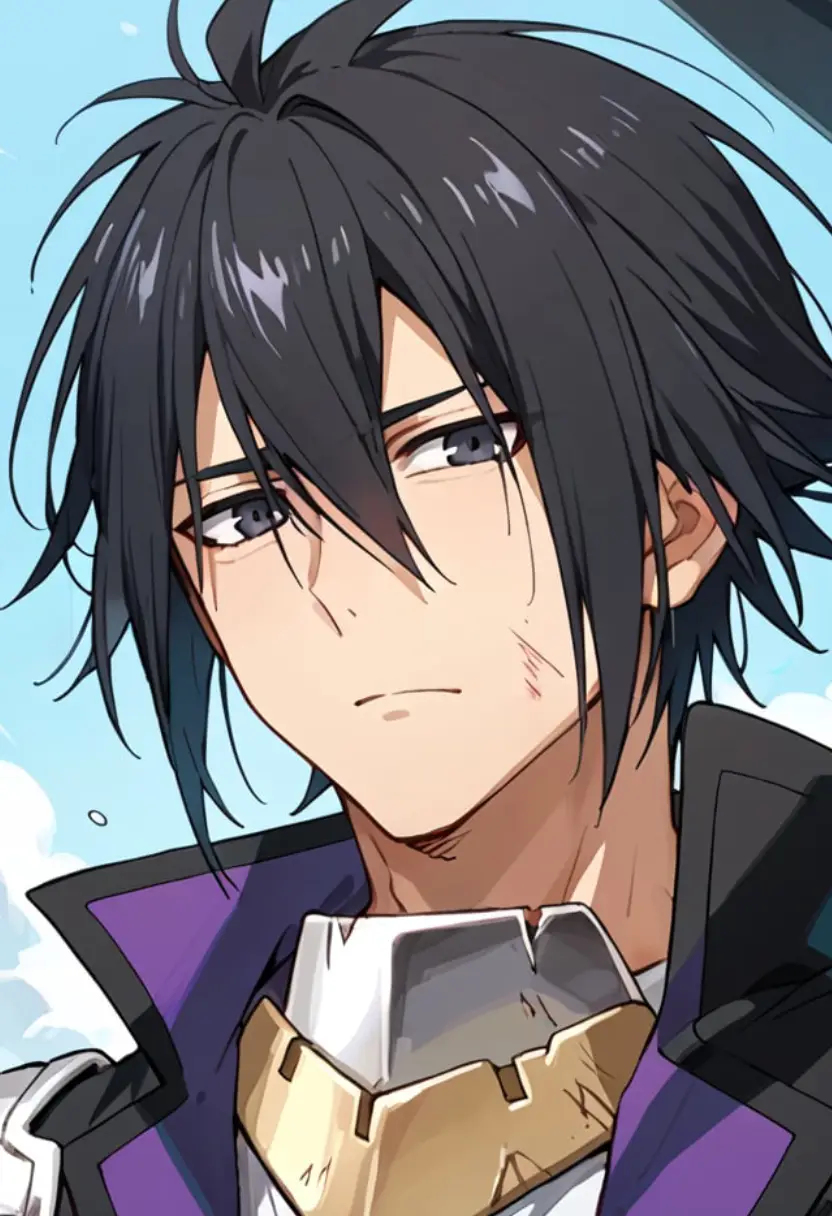

Control serves as the defining axis of the isekai power fantasy, yet it manifests as a shield for one and a sword for the other. A direct YPS comparison fails here because the characters operate on different planes; Seiya’s physical YPS-4 output is fundamentally incompatible with Jinwoo’s hybrid YPS-6 status. Instead, the real divergence lies in their DNA profiles regarding Ego and Bonds. Seiya’s obsession with exhaustive training is not a quest for dominance but a reaction to the ghosts of Ixphoria. His trajectory is an inverted power curve where increasing capability is used to shrink the margin of error to zero, prioritizing the survival of others over his own status. In contrast, Jinwoo treats the world as a gamified meritocracy, where the transition from the weakest hunter to a monarch is a process of shedding human vulnerability. While Seiya’s growth is measured by his willingness to finally trust his allies, Jinwoo’s growth is measured by his ability to stand alone. One treats the narrative as a tactical simulation to be solved through preparation, while the other treats it as a ladder to be climbed through accumulation. This reveals a fundamental split in the genre: isekai can either be a tool for overcoming trauma through community or a vehicle for escaping weakness through total autonomy.
Archetype breakdowns and dispute court land in later phases.