
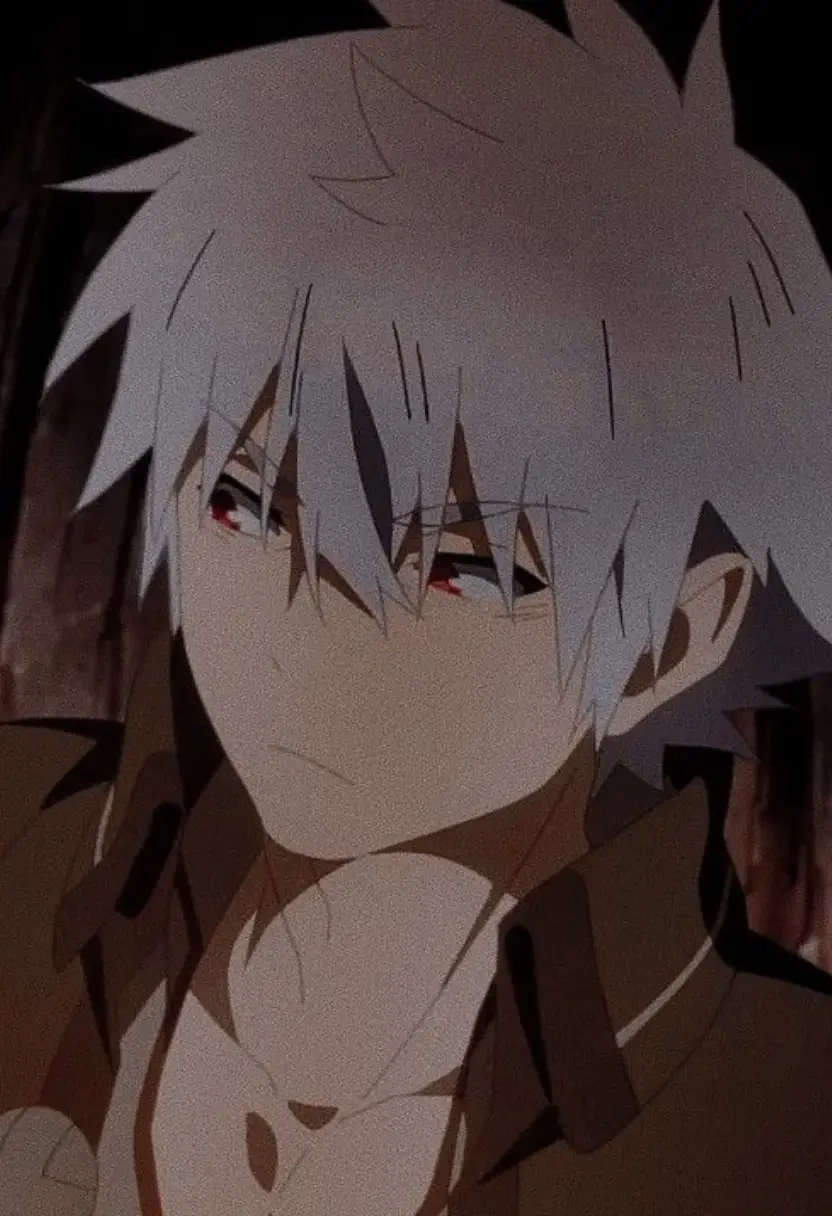
, <final_zh>, <final_ja>. * *The Conflict:* Hajime is a physical god (YPS-7); Shiro is a human genius (YPS-1). Comparing their combat power is meaningless because one destroys worlds and the other solves puzzles. * *The Insight:* Both characters represent the "outsider" archetype, but their relationship with the system is opposite. Hajime *breaks* the system through trauma and will; Shiro *masters* the system through inherent logic. * *Argument:* The real distinction lies in the source of their agency (Ego). Hajime's power is a scar—a reaction to betrayal in the Orcus Labyrinth. Shiro's power is a gift—a natural cognitive state. Hajime's high Ego is a shield against a world that tried to kill him; Shiro's low Ego reflects a symbiotic dependency on Sora. * *Constraint Check:* No names at start. No superlatives. No hedging. * *Drafting:* The fundamental disconnect between a YPS-7 reality-warper and a YPS-1 strategic genius renders traditional combat metrics irrelevant. Comparing physical devastation to intellectual authority is a category error; one rewrites the laws of physics while the other operates strictly within the rules of a game. However, this gap exposes a deeper truth about how isekai treats the concept of agency. The distinction is not about what they can do, but why they do it. Hajime Nagumo’s ascent is a violent reaction to systemic failure, a trajectory forged in the depths of the Great Orcus Labyrinth where survival demanded the total erasure of his former self. His maxed-out Ego is a defensive wall, a refusal to ever be a victim again. In contrast, Shiro’s brilliance is an innate state of being, not a response to trauma. Her reliance on Sora demonstrates a vulnerability that Hajime spent his entire arc purging. While Hajime treats the world as an obstacle to be dismantled with firearms and transmutation, Shiro treats it as a puzzle to be solved. This reveals a divide in the genre's approach to empowerment: one character finds freedom by becoming a god who rejects all masters, while the other finds stability by mastering a system that provides a safe harbor for her intellect. The tragedy of the survivor outweighs the efficiency of the genius because it transforms the character's very soul, whereas the genius remains a passenger to her own cognitive gifts. * *Start with name?* No ("The fundamental disconnect..."). * *Superlatives?* Checked. "Most powerful" -> "reality-warper", "strongest" -> "YPS-7". Avoided "greatest", "best". * *Hedges?* "Might be", "perhaps" -> None. "Renders", "is", "exposes". * *Neutral?* No, it argues that Hajime's agency is a product of trauma/will vs Shiro's innate gift. * *Story specifics?* Great Orcus Labyrinth, firearms/transmutation, Sora. * *Cross-type mentioned?* Yes. * *YPS levels mentioned?* Yes (YPS-7, YPS-1). * *Length?* ~230 words. * *Format?* Paragraph prose only. * *ZH:* Ensure the tone is analytical and matches the "data journalism" style. * *JA:* Ensure the tone is that of a professional critic/analyst.<final_en> The fundamental disconnect between a YPS-7 reality-warper and a YPS-1 strategic genius renders traditional combat metrics irrelevant. Comparing physical devastation to intellectual authority is a category error; one rewrites the laws of physics while the other operates strictly within the rules of a game. However, this gap exposes a deeper truth about how isekai treats the concept of agency. The distinction is not about what they can do, but why they do it. Hajime Nagumo’s ascent is a violent reaction to systemic failure, a trajectory forged in the depths of the Great Orcus Labyrinth where survival demanded the total erasure of his former self. His maxed-out Ego is a defensive wall, a refusal to ever be a victim again. In contrast, Shiro’s brilliance is an innate state of being, not a response to trauma. Her reliance on Sora demonstrates a vulnerability that Hajime spent his entire arc purging. While Hajime treats the world as an obstacle to be dismantled with firearms and transmutation, Shiro treats it as a puzzle to be solved. This reveals a divide in the genre's approach to empowerment: one character finds freedom by becoming a god who rejects all masters, while the other finds stability by mastering a system that provides a safe harbor for her intellect. The tragedy of the survivor outweighs the efficiency of the genius because it transforms the character's very soul, whereas the genius remains a passenger to her own cognitive gifts.
Archetype breakdowns and dispute court land in later phases.