
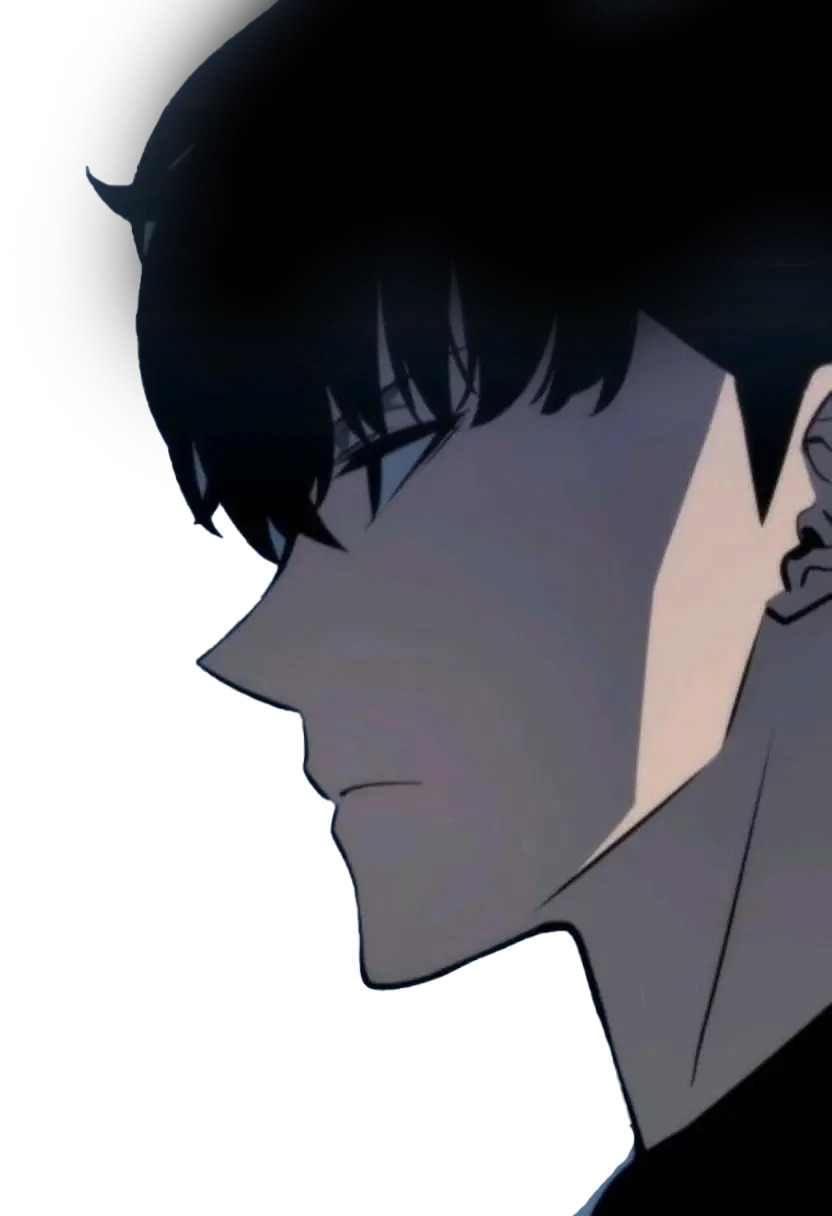
Sovereignty in the isekai genre is often mistaken for raw destructive capacity, but the real distinction lies in whether a character serves the system or defines it. A direct YPS comparison here is functionally meaningless because the power types are fundamentally mismatched: we are comparing a YPS-2 authority specialist against a YPS-6 hybrid force. One operates on the level of social architecture; the other operates on the level of planetary extinction. Sung Jinwoo represents the limit of vertical escalation. His trajectory is a relentless climb from a disposable E-rank hunter to a monarch who commands an army of shadows. However, this growth is a closed loop. Jinwoo’s Ego 100 reflects a total self-reliance that eventually strips him of human connection, leaving him a god of a silent empire. He dominates the game, but he never questions the game's logic. Shiroe operates on a horizontal axis. While he lacks the destructive ceiling of a planetary entity, his power manifests as systemic control. He does not fight monsters to level up; he negotiates treaties and builds economic infrastructures to stabilize a collapsing society. The "Villain in Glasses" uses his YPS-2 capabilities to rewrite the social contract of Akiba, proving that administrative labor is a more enduring form of power than combat dominance. While Jinwoo conquers the world to ensure safety, Shiroe constructs a world where safety is a systemic right. This reveals a core tension in the genre: the difference between being a master of the map and being the one who draws the borders.
Archetype breakdowns and dispute court land in later phases.