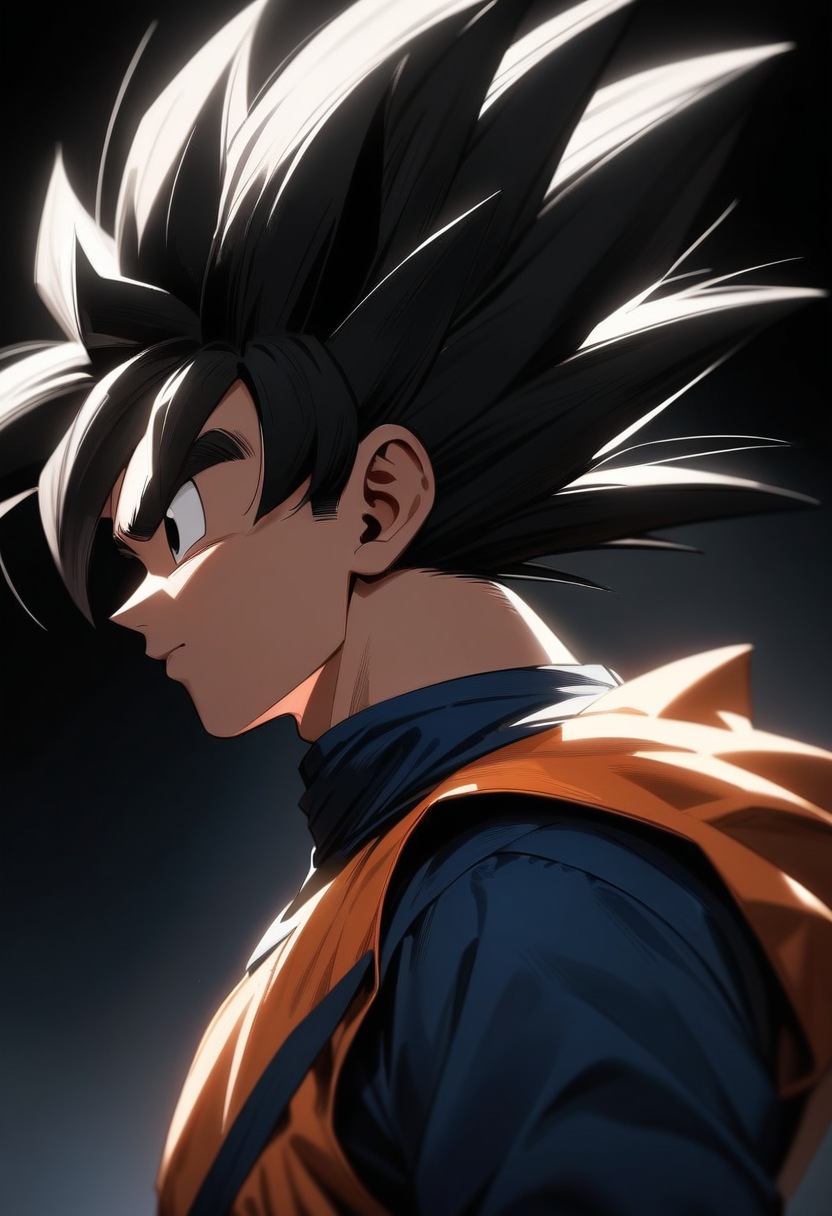

The comparison between Benimaru and Son Goku isn’t about power scaling—a gulf exists there that renders conventional analysis moot—but about the fundamental relationship to escalation. Both characters are defined by physical prowess, yet Goku *demands* escalation, actively seeking challenges that threaten existence as a means of self-discovery. His narrative thrives on the next level, the next form, the next opponent. Benimaru, conversely, actively resists it. He achieves continent-level power not through a desire for greater strength, but as a necessary consequence of protecting what he *already* has: a nation, a people, a stable order. His growth isn’t about breaking limits, but about efficiently applying existing ones. This difference reveals a core tension within the isekai genre itself. Many protagonists arrive in new worlds seeking to become something *more*, to transcend their previous limitations. Benimaru’s arc, however, is about becoming something *better* at what he already is—a warrior, a leader, a protector. He’s a counterpoint to the genre’s obsession with power fantasies, demonstrating that true fulfillment can be found not in endless escalation, but in the responsible application of strength within a defined system. Goku’s Luck score, a near-perfect 100, reflects a narrative built on constant reprieve from self-imposed existential threats; Benimaru’s score of 0 suggests a world where consequences are real, and power comes with a burden of responsibility that cannot be overcome with a last-minute power-up.
Archetype breakdowns and dispute court land in later phases.