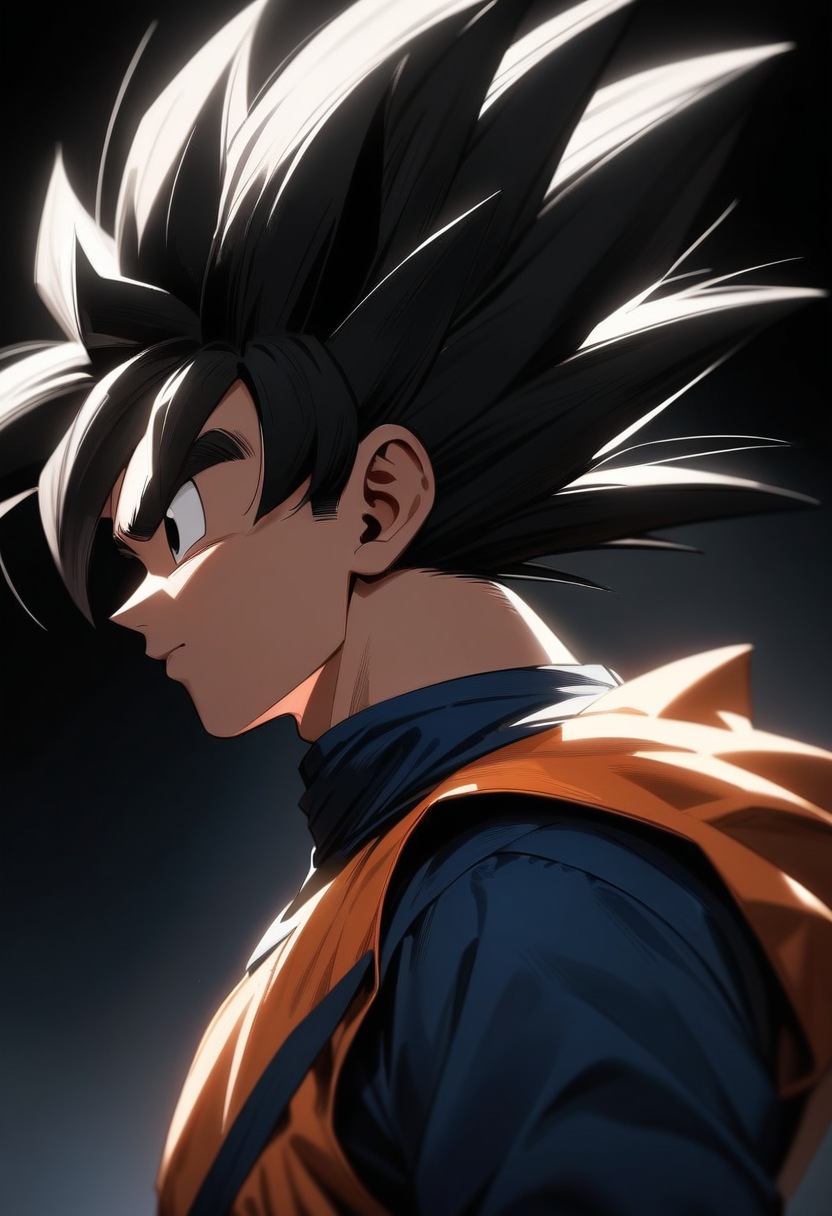

The disparity between a YPS-3 and a YPS-6 is an unbridgeable chasm of raw output, but the narrative weight shifts in favor of the lower-tier combatant. While one operates as a cosmic force capable of reshaping geography, the other exists as a study in human fragility. The tension here lies in the inverse relationship between destructive scale and emotional nuance. Son Goku represents a loop of infinite self-transcendence; his drive is purely ludic, training not for a cause but for the thrill of the struggle. This purity of purpose renders him a functional archetype—a protector who is often a catalyst for the very crises he solves. In contrast, Roxy Migurdia’s arc is defined by the shedding of self-imposed isolation. Her growth is not a climb up a power ladder but a movement toward belonging, transitioning from a telepathically-mute outcast to the emotional anchor of a family. Her struggle with her child-like physique and the trauma of her tribe provides a groundedness that vanishes at the YPS-6 level. Goku’s 100 Ego score reflects a total alignment of will and action, yet it leaves little room for the kind of internal conflict that makes Roxy compelling. As YPS tiers elevate, the character risks becoming a force of nature rather than a person. Roxy remains a person because she is bounded by the world’s physics, making her pursuit of domestic stability more impactful than the pursuit of a new transformation.
Archetype breakdowns and dispute court land in later phases.