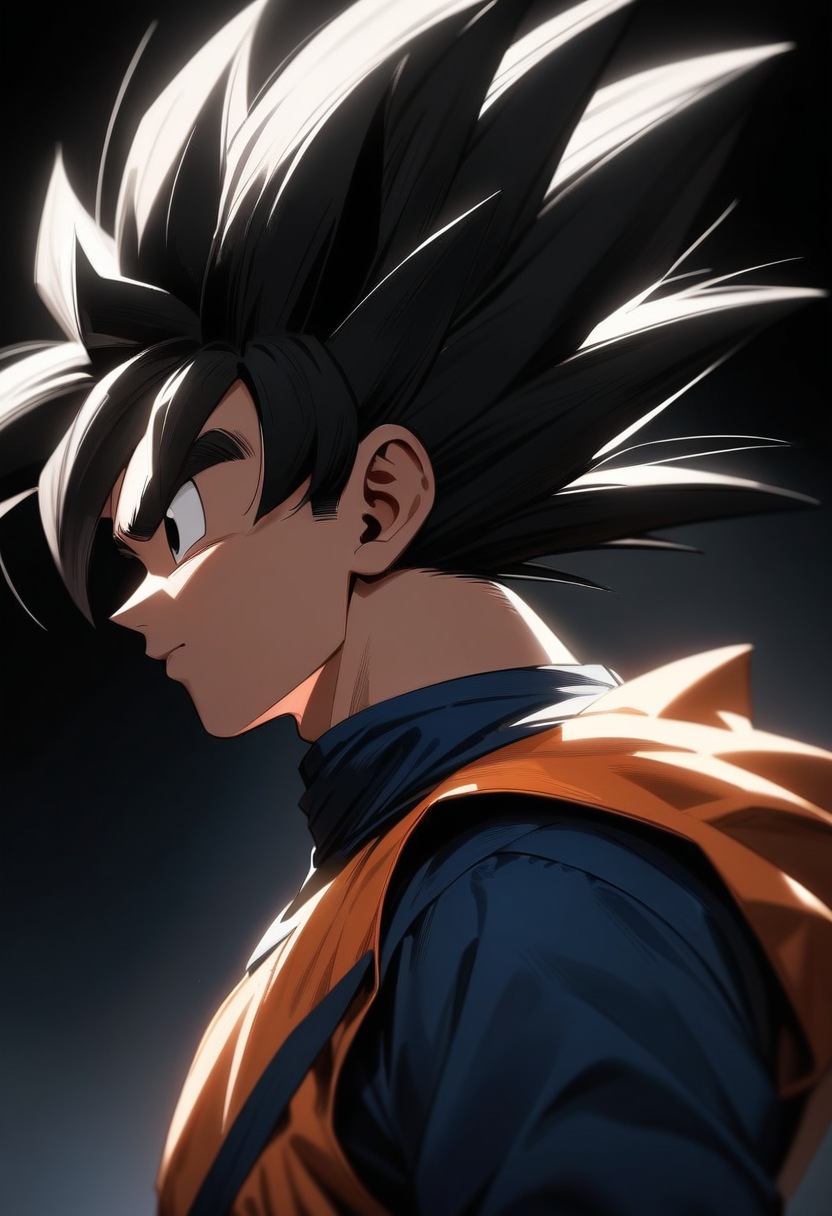

The fundamental tension in isekai power lies in whether omnipotence is earned through friction or granted as a baseline. Comparing a YPS-6 physical combatant to a YPS-S authority figure is a category error; one destroys the stage while the other owns the theater. This cross-type gap renders raw output numbers irrelevant and shifts the focus to the DNA of their ambition. While one character views power as a tool for infinite self-transcendence, the other treats it as a utility for administrative stability. The distinction appears clearly in their Ego scores. A drive of 100 transforms every encounter into a catalyst for growth, turning a planet-level threat into a training opportunity. Conversely, an Ego of 0 removes the possibility of internal conflict, transforming the narrative into a management simulation. One seeks the thrill of the struggle, often risking planetary safety to ensure a fair fight, while the other uses divine authority to erase friction entirely. This reveals a core divide in the genre: the fantasy of the eternal student versus the fantasy of the benevolent landlord. One character evolves by crashing against walls; the other simply removes the walls. The result is a contrast between a life defined by the pursuit of a peak and a life defined by the maintenance of a plateau.
Archetype breakdowns and dispute court land in later phases.