
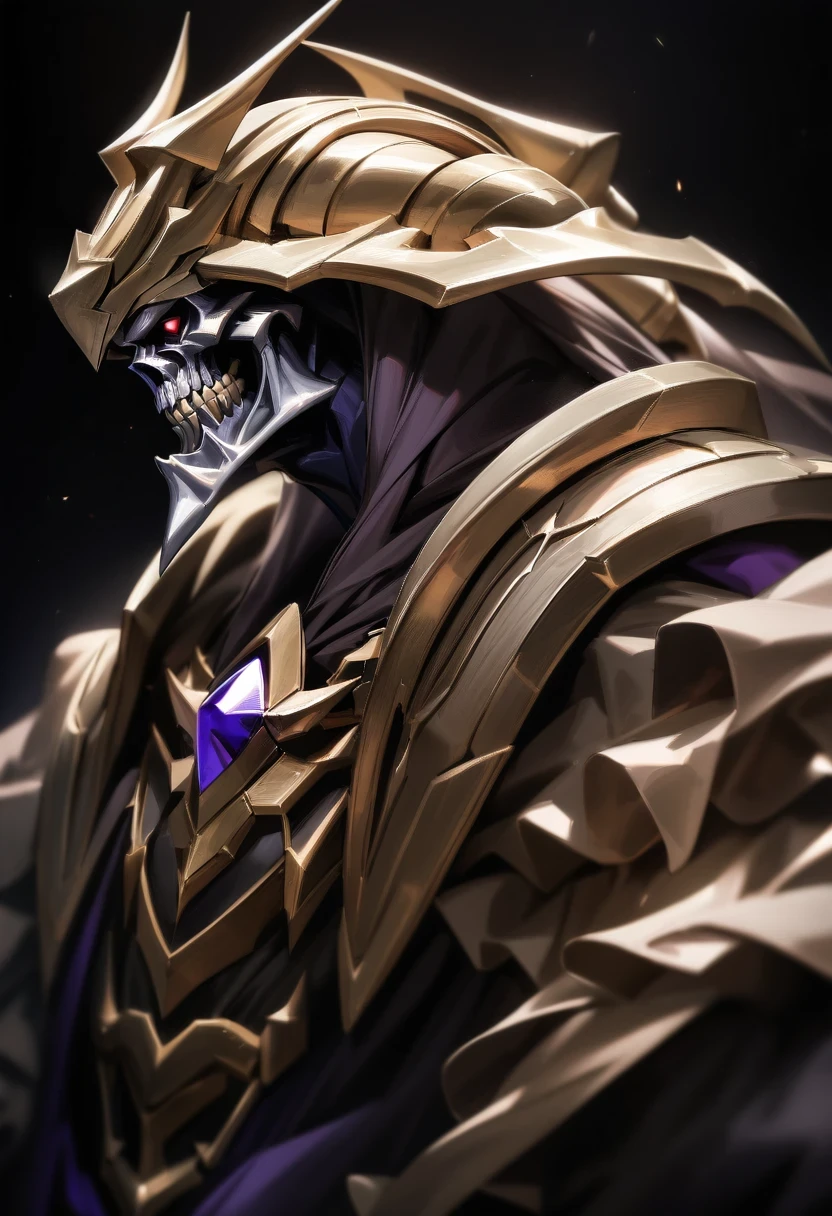
The disparity between a YPS-4 strategic deterrent and a YPS-1 human is absolute, yet this gap obscures a shared obsession with systemic control. Ainz wields authority as a performance, a desperate corporate masquerade designed to satisfy the expectations of the NPCs of Nazarick. He does not lead through genuine will, but through the terror of being exposed as a middle manager in a skeleton's body. In contrast, Sora's authority is a surgical tool. He does not require the destructive ceiling of a nation-level entity because he treats the laws of Disboard as a codebase to be hacked. While Ainz possesses the capacity to erase cities, he is the more captive character. He remains bound by the rigid narrative role he must play to keep his bonds intact, effectively becoming a prisoner of his own image. Sora, despite his crippling dependency on Shiro and his lack of physical threat, operates with a level of intellectual autonomy that Ainz can only simulate. The tension here reveals a core isekai truth: raw power often scales inversely with personal freedom. The narrative weight shifts from the one who can destroy the board to the one who understands how to play the game. Sora is the more effective agent of change precisely because he lacks the burden of an omnipotent persona.
Archetype breakdowns and dispute court land in later phases.