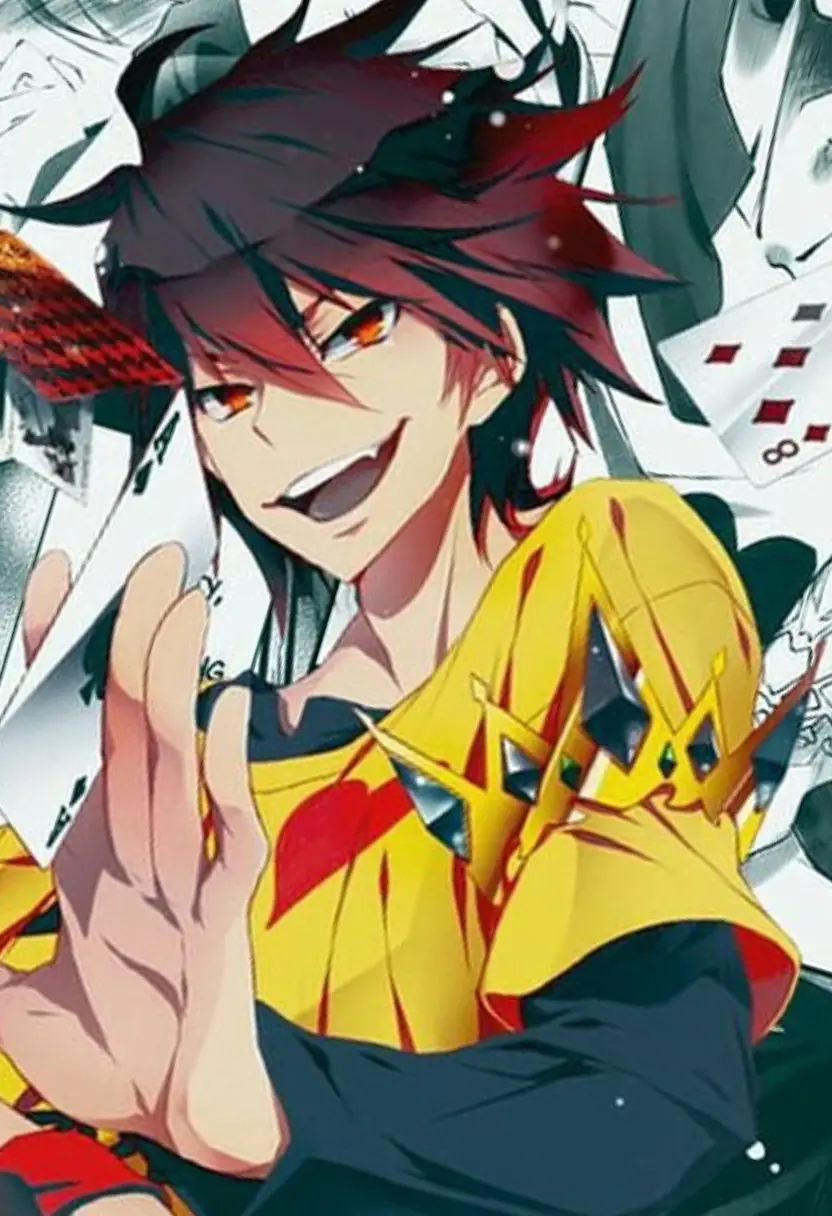

True agency in isekai is an emotional achievement rather than a systemic one. Comparing these two reveals a fundamental disconnect between the ability to win and the ability to grow. Because one operates via narrative magic at YPS-2 and the other through authority and game theory at YPS-1, their YPS tiers are functionally incomparable; one manipulates the physical environment while the other manipulates the social contract. The real divergence lies in their DNA profiles, specifically the intersection of Growth and Ego. Iruma transforms from a passive survivor into a leader who protects others, using the Ring of Gluttony not just for survival but as a catalyst for social integration. His trajectory is a steep climb from helplessness to assertive empathy. In contrast, Sora possesses an intellectual dominance that allows him to dismantle hierarchies in Disboard, yet he remains psychologically tethered to Shiro. While Sora wins the game, he fails to evolve his own identity, maintaining a static Ego that relies on co-dependence. Iruma’s narrative proves that low initial power is a prerequisite for genuine character development, whereas Sora’s brilliance acts as a gilded cage. One character evolves to fit a new world; the other forces the world to fit his existing brilliance. This suggests that in the isekai genre, a limiting form of power is the kind that removes the need for the protagonist to change.
Archetype breakdowns and dispute court land in later phases.