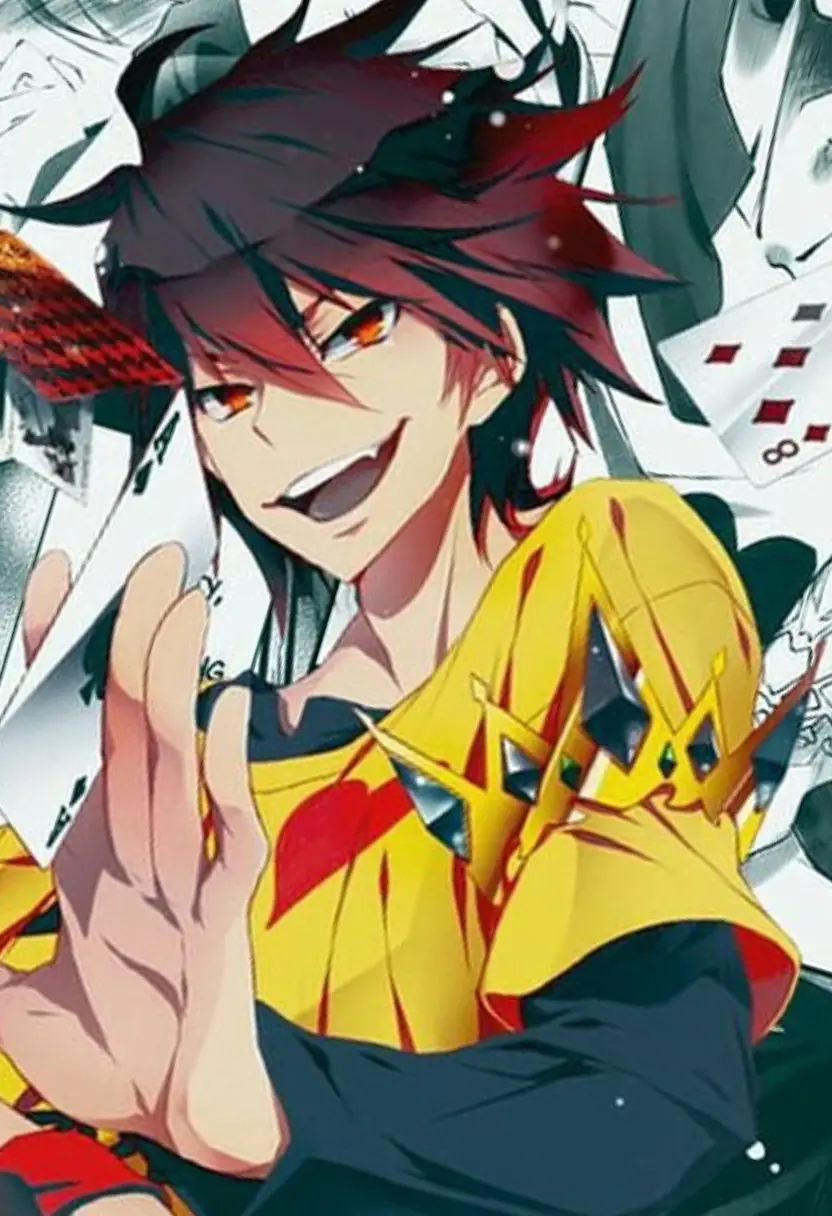

True power in isekai is often measured by the ability to overcome isolation, a metric where emotional integration outweighs strategic dominance. Comparing a YPS-3 physical caster to a YPS-1 authority-type strategist renders traditional combat scales useless; one destroys cities while the other dismantles laws. This cross-type gap shifts the analysis from output to agency. The real tension lies in how each character navigates dependency. Roxy utilizes her academic drive and eventual domesticity to heal the trauma of her Superd origins, transforming her identity from a lonely wanderer into a familial pillar. Her trajectory is one of expansion, moving from the margins of society into a core emotional role. Sora, conversely, leverages game theory and psychological manipulation to conquer Disboard, yet he remains a psychological prisoner to his sibling. While Roxy’s bonds serve as a bridge to the world, Sora’s bond with Shiro is a closed loop that enables his brilliance while preventing genuine emotional evolution. Roxy represents the isekai ideal of self-actualization through connection, whereas Sora represents the tragedy of the genius who can solve any puzzle except his own stuntedness. Their contrasting DNA profiles reveal a fundamental truth about the genre: the capacity to change is more valuable than the capacity to win. Roxy’s growth reflects a character who evolves her soul, while Sora’s stagnation shows that intellectual mastery is a poor substitute for maturity.
Archetype breakdowns and dispute court land in later phases.