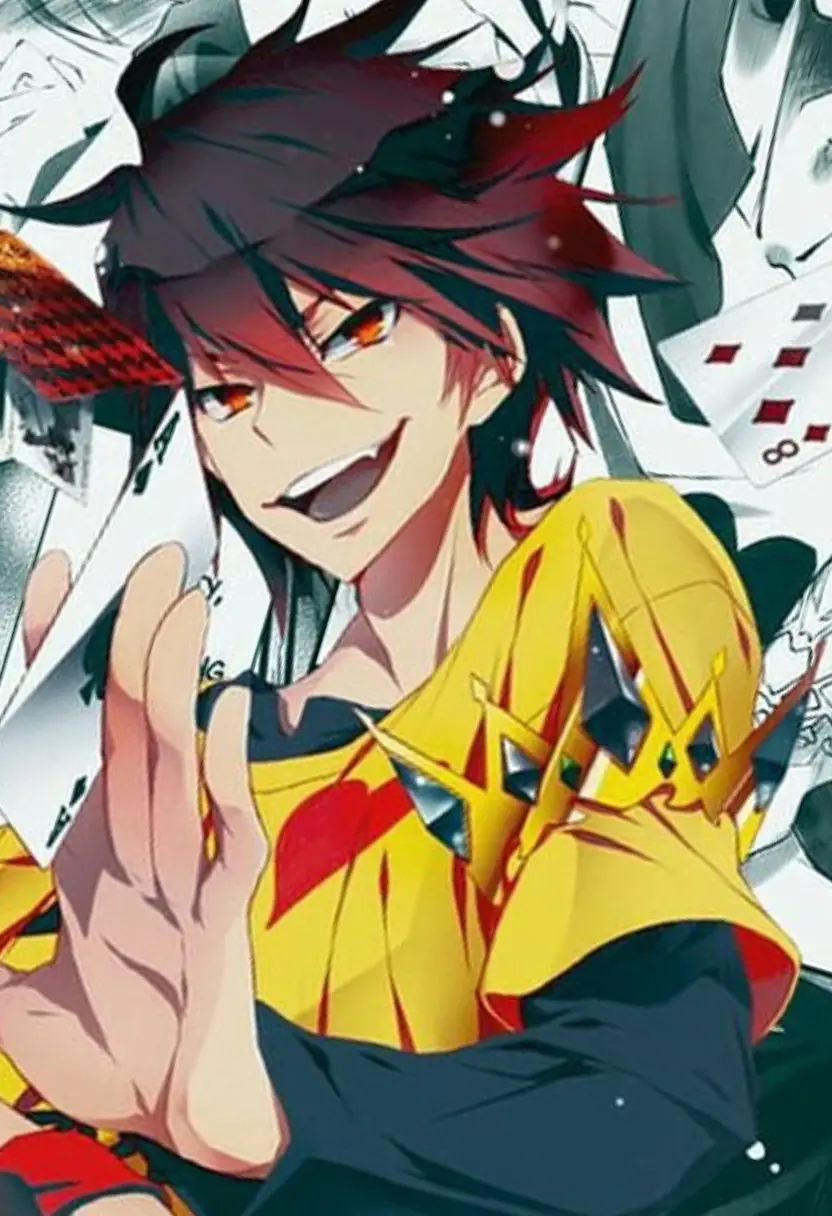

True agency in isekai manifests either as the mastery of constraints or the total erasure of them. Comparing a YPS-1 authority-based character to a YPS-6 hybrid entity is a category error; the gap between human intellect and planetary destruction renders combat metrics meaningless. Instead, the real friction lies in their relationship with the "System." One views the world as a set of rules to be exploited, while the other views the world as a ladder to be climbed. Sora’s dominance is a performance of psychological leverage. He does not seek to transcend the Ten Pledges of Disboard but to weaponize them. His low Ego score reveals the hidden cost of this approach: his brilliance is a shared resource, entirely dependent on Shiro. He represents the "System Manipulator," proving that intellectual agility can simulate high-tier influence without needing supernatural output. Conversely, Sung Jinwoo embodies the "System Breaker." His ascent is a cold, linear progression from the weakest rank to a state of absolute autonomy. Where Sora finds security in a bond, Jinwoo finds it in isolation. His maxed Ego score reflects a transition from being a pawn of the System to becoming the architect of his own reality. The narrative shift from a desperate hunter to a detached monarch highlights the loneliness inherent in the "leveling" fantasy. While Sora wins by playing the game better than anyone else, Jinwoo wins by evolving into something the game can no longer contain. The contrast reveals a fundamental genre split: isekai either treats power as a tool for social navigation or as a means of escaping human limitation entirely.
Archetype breakdowns and dispute court land in later phases.