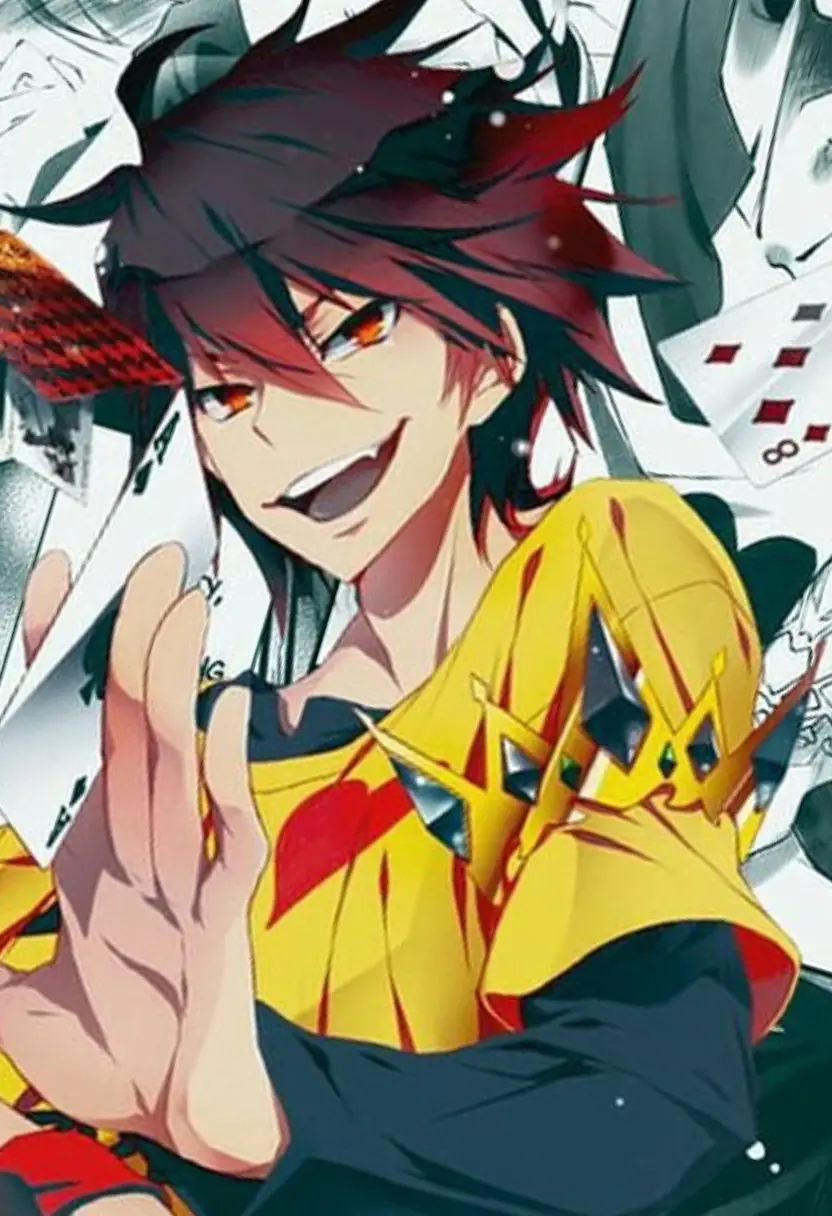
The yawning chasm between YPS-1 and YPS-S renders a traditional combat comparison meaningless, but it exposes a critical truth about isekai storytelling: total authority erases character depth. While Touya Mochizuki exists as a divine administrator who has effectively solved his world, removing all internal friction and risk, Sora operates in a state of constant precariousness. Touya’s journey is one of frictionless expansion, where the acquisition of spirit king status and a harem of wives feels like a checklist rather than an achievement. In contrast, Sora’s brilliance is inextricably linked to his fragility. His victory over the hierarchies of Disboard is not a product of innate superiority but of a desperate, co-dependent bond with Shiro. The tension in No Game No Life arises because Sora can lose; he is a genius who is psychologically stunted and terrified of isolation. Touya, as a god-tier entity, has no such vulnerability. By stripping away the possibility of failure, the narrative transforms Touya into a stabilizing force of nature rather than a protagonist. Sora remains the more compelling study because his power is a tool used to navigate a world that could crush him, whereas Touya is the world. The inherent limitations of a YPS-1 human create a narrative engine that a YPS-S deity simply cannot replicate.
Archetype breakdowns and dispute court land in later phases.