
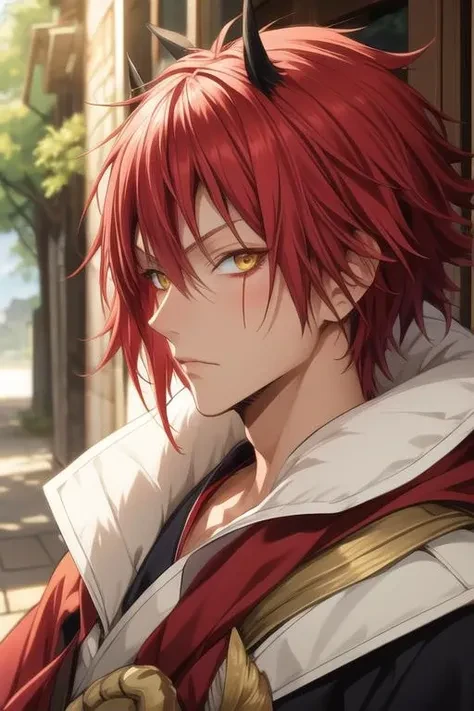
Power in the isekai genre functions less as a tool for liberation and more as a mechanism for social solidification. Comparing YPS-5 physical output to YPS-6 hybrid capabilities is a category error because these characters operate on different existential planes: one is a tactical asset within a state, the other is a cosmic singularity. The meaningful divergence lies in their DNA profiles regarding Ego and Growth. Benimaru’s arc is a study in disciplined sublimation. He trades the volatility of a tribal prince for the stability of a Minister of Defense, channeling his destructive ceiling into the preservation of the Jura-Tempest Federation. For him, power is a badge of office and a means of collective service. Sung Jinwoo follows the opposite trajectory, where growth is a process of radical isolation. He does not integrate into a social order; he replaces it. By treating his progression as a gamified grind, he strips away the relational weight typical of the genre, evolving into a Shadow Monarch who stands alone. While Benimaru finds fulfillment in the hierarchy of a meritocratic state, Jinwoo finds security in the total eradication of vulnerability. This contrast reveals a fundamental truth about the genre: power either binds the character to a community or severs them from it entirely. One becomes a pillar of a civilization; the other becomes the civilization's only protector, effectively trading human connection for absolute sovereignty.
Archetype breakdowns and dispute court land in later phases.