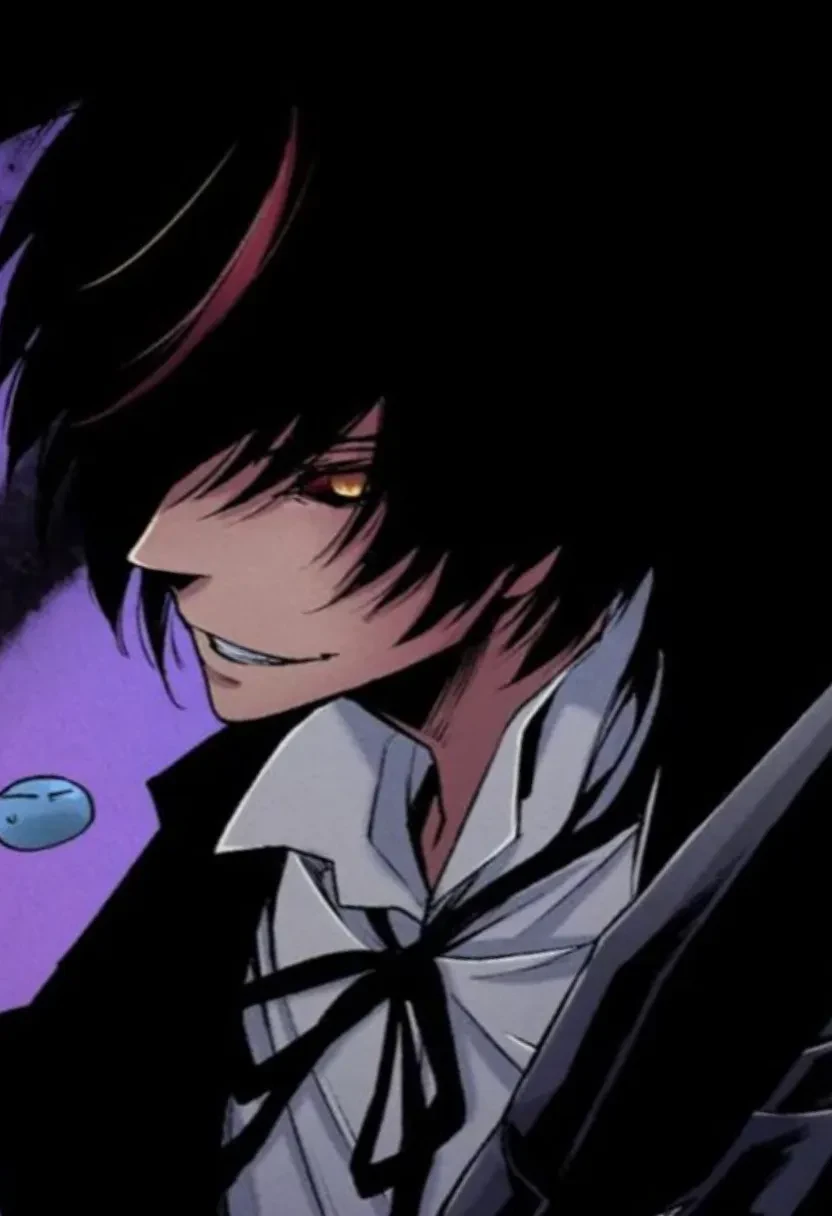

Comparing Diablo and Shiro through a conventional power scale is almost immediately revealing of isekai’s limitations. One operates at a continental destructive capacity, the other at the peak of human strategic thinking. The YPS acknowledges this disparity, but the real comparison lies in how each character wields influence *beyond* raw power. Both, despite their drastically different tiers, are fundamentally defined by their relationships and the constraints those relationships impose. Diablo’s YPS-5 rating is almost irrelevant to his function; he’s a force of nature willingly shackled by devotion, a walking paradox whose power is entirely subservient to Rimuru’s wellbeing. His low Ego score isn’t a weakness, but the point – his will is entirely subsumed. Shiro, conversely, exists at the human limit, yet her authority stems from an almost inhuman intellect, a capacity to dissect and exploit systems. Her low Ego is also deliberate, a complete reliance on Sora that defines her agency. The crucial difference isn’t capability, but the *source* of their constraint. Diablo’s is internal, a self-imposed loyalty. Shiro’s is external, a codependency. This highlights a common isekai trope: the protagonist’s ability to attract and manage powerful entities, not through force, but through connection. Diablo embodies the ultimate expression of this – a being capable of ending civilizations choosing to file paperwork. Shiro demonstrates the power of intellect to overcome physical limitations, but only within the framework of a partnership. Both characters, in their own ways, reveal that isekai isn’t always about escalating power, but about the complex dynamics of control, loyalty, and the surprising ways power can be willingly relinquished.
Archetype breakdowns and dispute court land in later phases.