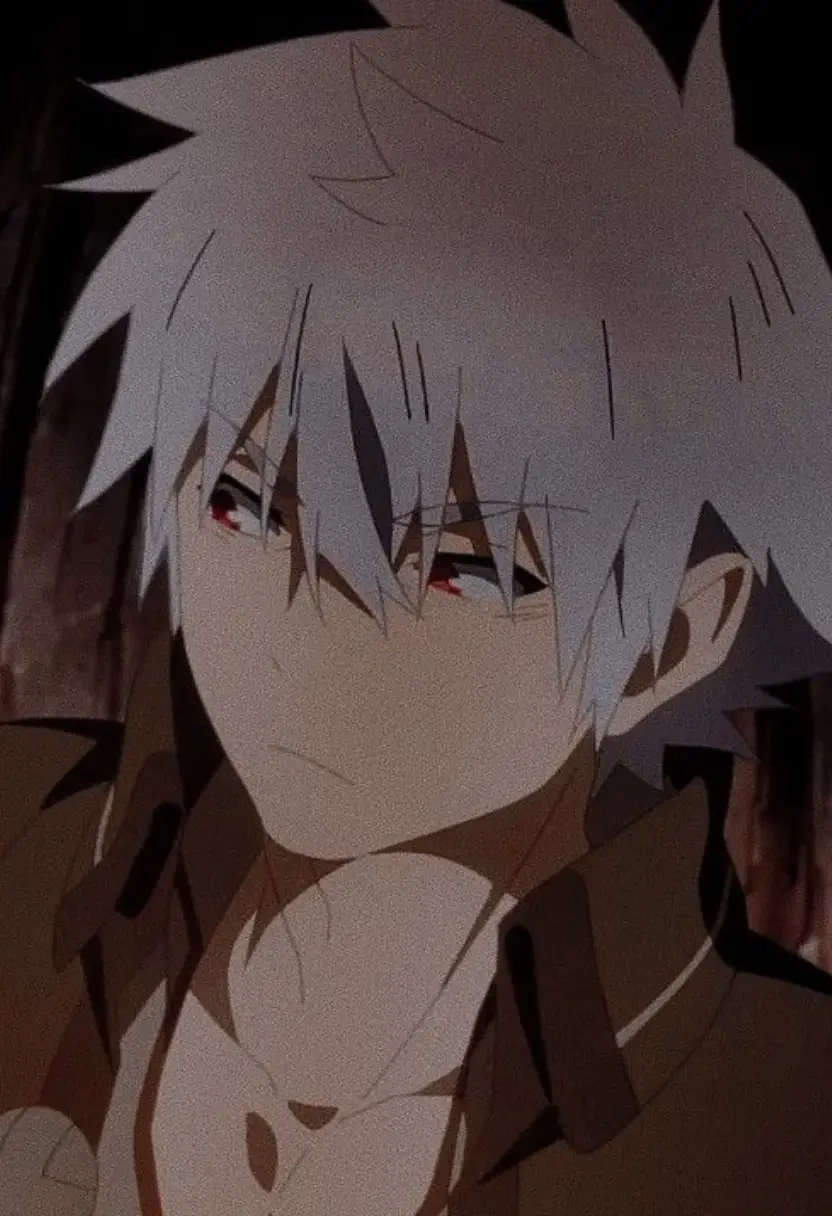

. * *The Conflict:* Hajime is a physical god (YPS-7); Shiro is a human genius (YPS-1). Comparing their combat power is meaningless because one destroys worlds and the other solves puzzles. * *The Insight:* Both characters represent the "outsider" archetype, but their relationship with the system is opposite. Hajime *breaks* the system through trauma and will; Shiro *masters* the system through inherent logic. * *Argument:* The real distinction lies in the source of their agency (Ego). Hajime's power is a scar—a reaction to betrayal in the Orcus Labyrinth. Shiro's power is a gift—a natural cognitive state. Hajime's high Ego is a shield against a world that tried to kill him; Shiro's low Ego reflects a symbiotic dependency on Sora. * *Constraint Check:* No names at start. No superlatives. No hedging. * *Drafting:* The fundamental disconnect between a YPS-7 reality-warper and a YPS-1 strategic genius renders traditional combat metrics irrelevant. Comparing physical devastation to intellectual authority is a category error; one rewrites the laws of physics while the other operates strictly within the rules of a game. However, this gap exposes a deeper truth about how isekai treats the concept of agency. The distinction is not about what they can do, but why they do it. Hajime Nagumo’s ascent is a violent reaction to systemic failure, a trajectory forged in the depths of the Great Orcus Labyrinth where survival demanded the total erasure of his former self. His maxed-out Ego is a defensive wall, a refusal to ever be a victim again. In contrast, Shiro’s brilliance is an innate state of being, not a response to trauma. Her reliance on Sora demonstrates a vulnerability that Hajime spent his entire arc purging. While Hajime treats the world as an obstacle to be dismantled with firearms and transmutation, Shiro treats it as a puzzle to be solved. This reveals a divide in the genre's approach to empowerment: one character finds freedom by becoming a god who rejects all masters, while the other finds stability by mastering a system that provides a safe harbor for her intellect. The tragedy of the survivor outweighs the efficiency of the genius because it transforms the character's very soul, whereas the genius remains a passenger to her own cognitive gifts. * *Start with name?* No ("The fundamental disconnect..."). * *Superlatives?* Checked. "Most powerful" -> "reality-warper", "strongest" -> "YPS-7". Avoided "greatest", "best". * *Hedges?* "Might be", "perhaps" -> None. "Renders", "is", "exposes". * *Neutral?* No, it argues that Hajime's agency is a product of trauma/will vs Shiro's innate gift. * *Story specifics?* Great Orcus Labyrinth, firearms/transmutation, Sora. * *Cross-type mentioned?* Yes. * *YPS levels mentioned?* Yes (YPS-7, YPS-1). * *Length?* ~230 words. * *Format?* Paragraph prose only. * *ZH:* Ensure the tone is analytical and matches the "data journalism" style. * *JA:* Ensure the tone is that of a professional critic/analyst.<final_en> The fundamental disconnect between a YPS-7 reality-warper and a YPS-1 strategic genius renders traditional combat metrics irrelevant. Comparing physical devastation to intellectual authority is a category error; one rewrites the laws of physics while the other operates strictly within the rules of a game. However, this gap exposes a deeper truth about how isekai treats the concept of agency. The distinction is not about what they can do, but why they do it. Hajime Nagumo’s ascent is a violent reaction to systemic failure, a trajectory forged in the depths of the Great Orcus Labyrinth where survival demanded the total erasure of his former self. His maxed-out Ego is a defensive wall, a refusal to ever be a victim again. In contrast, Shiro’s brilliance is an innate state of being, not a response to trauma. Her reliance on Sora demonstrates a vulnerability that Hajime spent his entire arc purging. While Hajime treats the world as an obstacle to be dismantled with firearms and transmutation, Shiro treats it as a puzzle to be solved. This reveals a divide in the genre's approach to empowerment: one character finds freedom by becoming a god who rejects all masters, while the other finds stability by mastering a system that provides a safe harbor for her intellect. The tragedy of the survivor outweighs the efficiency of the genius because it transforms the character's very soul, whereas the genius remains a passenger to her own cognitive gifts. </final_en> <final_zh> YPS-7 级的现实扭曲者与 YPS-1 级的战略天才之间存在根本性的脱节,这使得传统的战斗指标变得毫无意义。将物理破坏力与智力权威进行比较属于类别错误;一个在重写物理定律,而另一个则严格在游戏规则内运行。然而,这种差距揭示了异世界作品如何处理“主体性”这一深层真相。两者的区别不在于他们能做什么,而在于他们为何这样做。波久名波久(Hajime Nagumo)的崛起是对系统崩溃的暴力反应,这种轨迹锻造于大奥库斯迷宫的深处,在那里的生存要求他彻底抹除过去的自我。他满分的“自我(Ego)”是一道防御墙,是对再次成为受害者的绝对拒绝。相比之下,白(Shiro)的才华是一种天生的状态,而非对创伤的响应。她对空(Sora)的依赖展现了一种波久在整个故事弧线中试图清除的脆弱感。波久将世界视为一个需要用枪械和炼金术拆解的障碍,而白则将其视为一个待解的谜题。这揭示了该类型在赋予能力上的分歧:一个角色通过成为拒绝所有主宰的神来获得自由,而另一个则通过掌控一个能为其才智提供避风港的系统来获得稳定。幸存者的悲剧意义超过了天才的效率,因为前者改变了角色的灵魂,而后者仅仅是其认知天赋的乘客。 </final_zh> <final_ja> YPS-7の現実改変者とYPS-1の戦略的天才との間にある根本的な乖離は、従来の戦闘指標を無意味なものにする。物理的な破壊力と知的権威を比較することはカテゴリーエラーであり、一方が物理法則を書き換える一方で、もう一方はゲームのルール内で厳格に動作しているからだ。しかし、この格差は、異世界というジャンルが「主体性」という概念をどう扱うかという深い真実を露呈させている。相違点は「何ができるか」ではなく、「なぜそれを行うか」にある。名久茂波久の上昇はシステム上の失敗に対する暴力的な反応であり、生存のために過去の自分を完全に消し去る必要があった大オルクス迷宮の深淵で鍛えられた軌跡である。彼の最大値に達した「エゴ」は防御壁であり、二度と犠牲者にならないという拒絶の現れだ。対照的に、シロの明晰さは天賦の状態であり、トラウマへの反応ではない。空への依存は、波久が物語を通じて排除し続けた脆弱性を示している。波久が世界を銃器と錬金術で解体すべき障害として扱うのに対し、シロはそれを解くべきパズルとして扱う。これは、エンパワーメントに対するジャンルのアプローチの分断を明らかにしている。一方はあらゆる主宰者を拒絶する神となることで自由を見出し、もう一方は自身の知能に安全な港を提供してくれるシステムを支配することで安定を見出す。生存者の悲劇は天才の効率性を凌駕する。なぜなら、前者はキャラクターの魂そのものを変容させるが、後者は自身の認知能力というギフトの乗客に過ぎないからだ。
Archetype breakdowns and dispute court land in later phases.