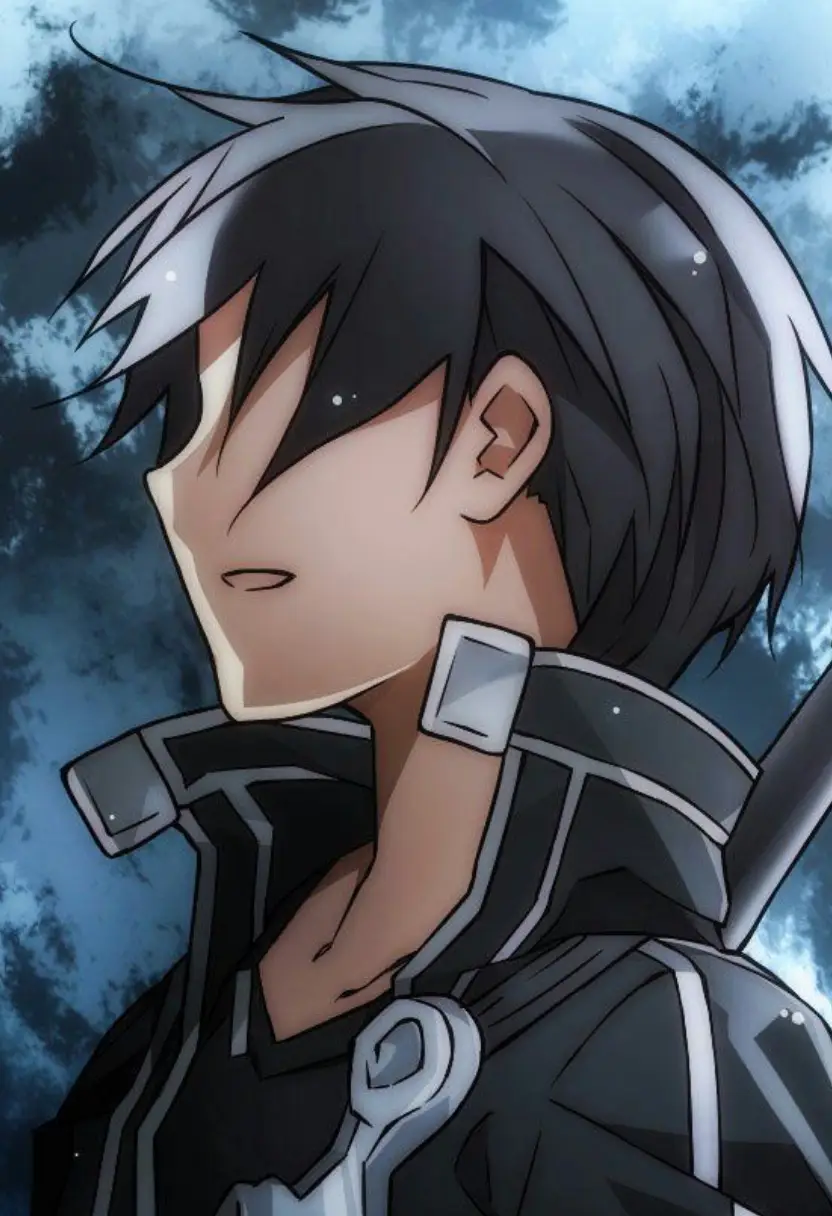
Comparing these two protagonists on a power scale is a category error that reveals why the isekai genre is split between tales of endurance and tales of administrative accumulation. Kirito operates within the harsh, physics-bound constraints of lethal games, while Touya exists as a divinity who has replaced conflict with the management of abundance. Their YPS divergence—from Nation-level physical intervention to systemic transcendence—is less a measure of ability than a reflection of narrative purpose. Kirito represents the modern protagonist defined by trauma, where every victory is paid for in the currency of moral burden and a fragile connection to reality. His arc is defined by an uncompromising ego, forced to constantly reconcile his virtual triumphs with the limitations of his physical self. Conversely, Touya embodies the frictionless expansion of the wish-fulfillment archetype, where the absence of internal darkness and ego transforms the world into a static sandbox. While one character fights to prove that his virtual choices possess human weight, the other reveals that absolute authority can render a story functionally inert. Ultimately, their comparison highlights the genre’s tension: is the protagonist a bridge between worlds, as in the case of the 'Beater' navigating digital trauma, or are they a god-like administrator whose only remaining challenge is the quiet maintenance of domestic peace?
Archetype breakdowns and dispute court land in later phases.