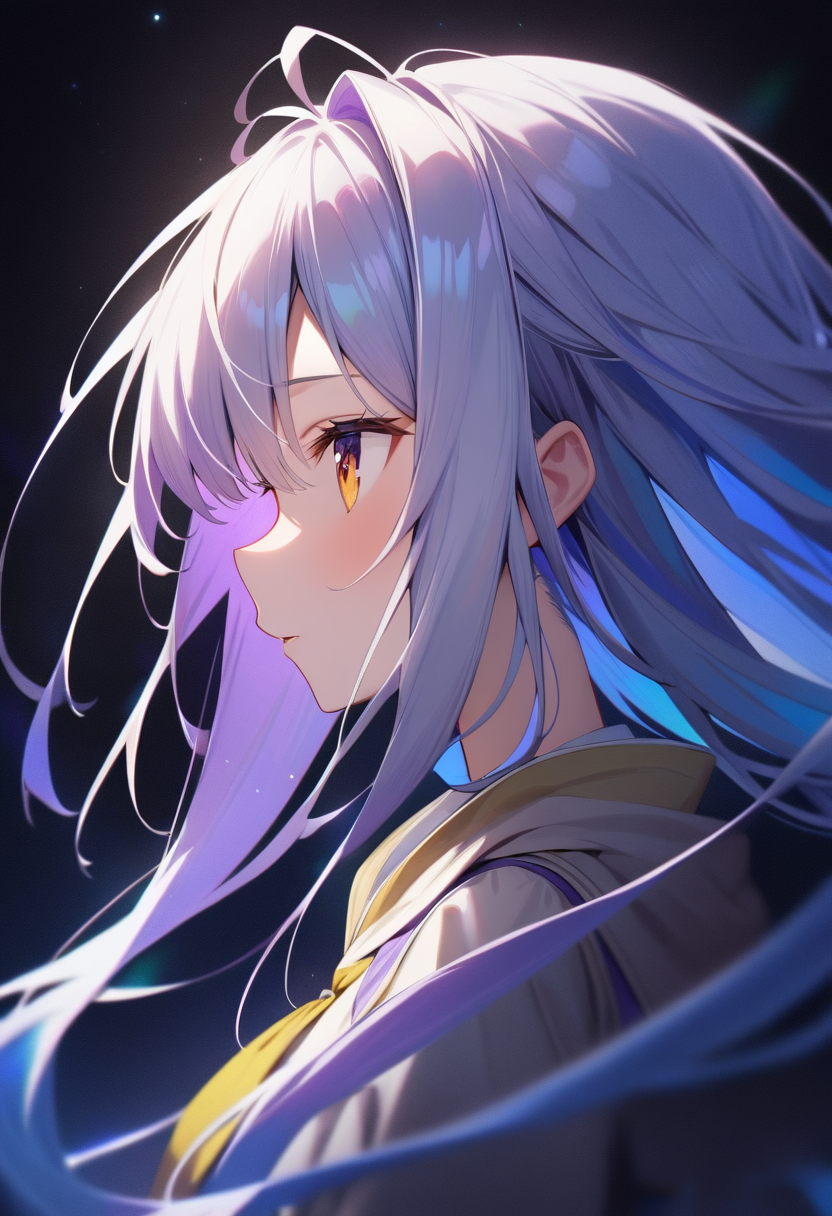
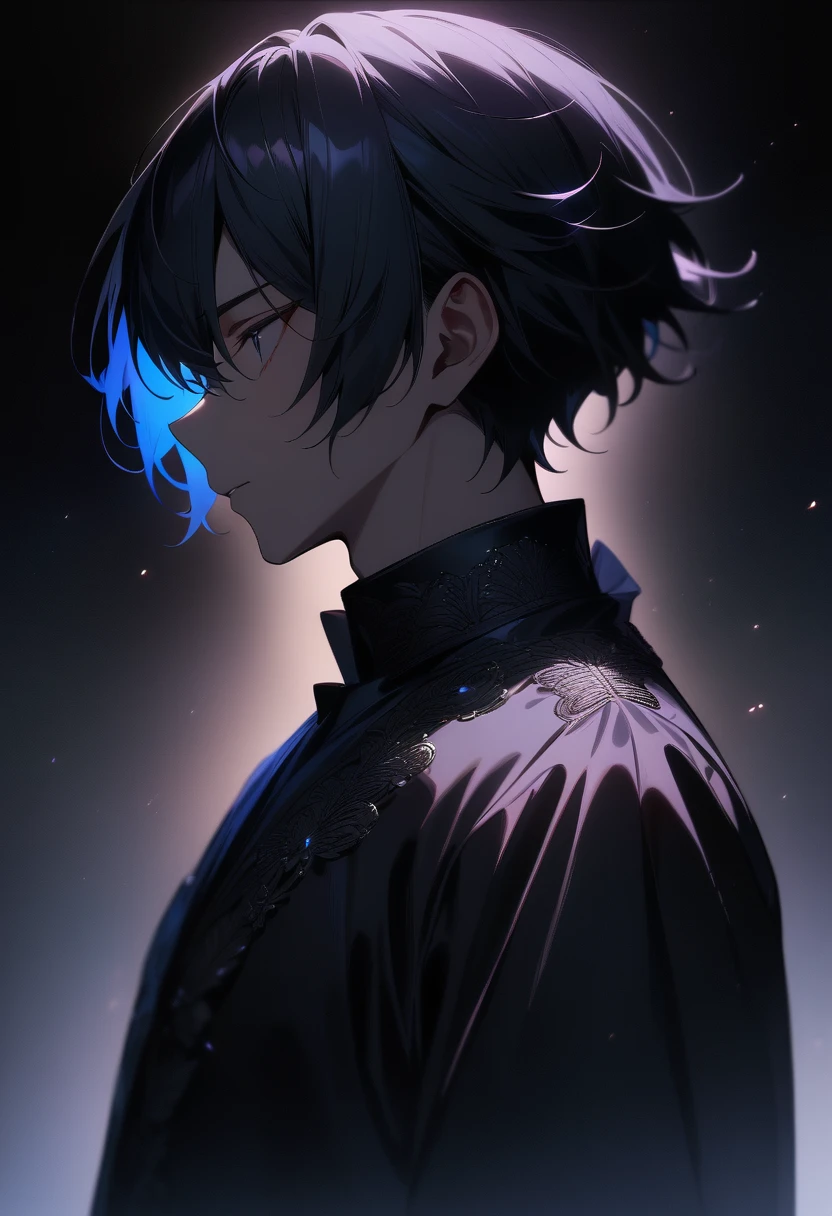
Touya Mochizuki operates on a scale that renders comparison to almost anyone else functionally meaningless. He exists beyond the YPS system’s capacity to meaningfully rank, while Shiro remains firmly grounded in human capability, even at its absolute peak. This disparity doesn’t invalidate the exercise, however; it illuminates a core tension within isekai itself. We often celebrate escalation, the relentless climb in power, but Shiro’s narrative carries a weight Touya’s simply cannot. Touya’s frictionless ascent, his complete lack of internal conflict, reveals the genre’s inherent vulnerability to self-satisfaction. He *is* wish fulfillment, but a strangely hollow one. Shiro, conversely, is defined by her limitations. Her genius is inseparable from her social anxieties, her reliance on Sora a constant vulnerability. The stakes in *No Game No Life* are genuinely felt because Shiro *can* lose, because her intellect isn’t a guaranteed solution. Touya’s victories are preordained by his power level; Shiro’s are earned through strategic brilliance and a fragile, evolving connection with another person. Isekai frequently presents protagonists with world-altering power, but it’s the characters wrestling with human frailty, with genuine moral cost, who linger in the memory. Touya’s story is about building a perfect world; Shiro’s is about navigating an imperfect one, and the difference is everything. The genre’s obsession with power fantasies often obscures the more compelling truth: a character defined by what they *can’t* do is often far more interesting than one who can do anything.
Archetype breakdowns and dispute court land in later phases.