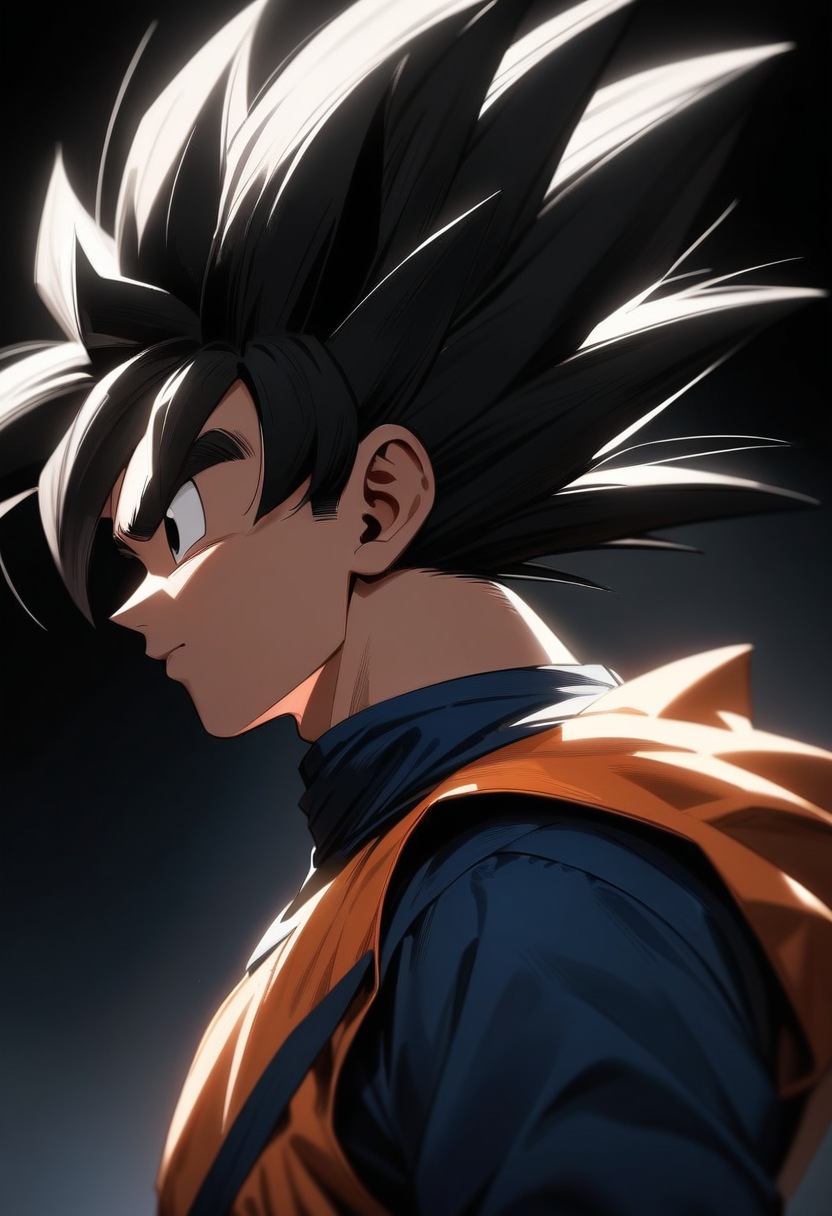

The gulf in capability is frankly absurd. Son Goku operates on a scale where planets are training grounds, while Viktoriya Serebryakov is a highly effective, but ultimately mortal, soldier in a world of magic and mechanized warfare. Any direct comparison of ‘power’ is meaningless. Yet, focusing solely on that disparity misses the point—Visha is the more compelling character study, precisely *because* of her limitations. Goku’s arc is about exceeding boundaries; Visha’s is about navigating them. Goku’s relentless pursuit of strength, while narratively foundational, ultimately abstracts him from relatable human concerns. His bonds are powerful, but often expressed through shared combat experience, a dynamic inaccessible to most viewers. Visha, conversely, embodies the quiet dignity of survival. Her low Ego score isn’t a weakness, but a reflection of her grounded pragmatism. She doesn’t *want* to change the world, she wants to live in it, and her value lies in her ability to maintain a semblance of normalcy amidst unimaginable horror. Isekai frequently elevates the protagonist to godhood, but *Tanya the Evil* understands that true narrative weight comes from examining the impact of such power on those without it. Visha isn’t a hero, she’s a witness, and her perspective is crucial to understanding the series’ bleak, anti-heroic core. She demonstrates a pattern in isekai: the character who doesn’t transcend their circumstances, but endures them, often carries the greater emotional resonance.
Archetype breakdowns and dispute court land in later phases.