
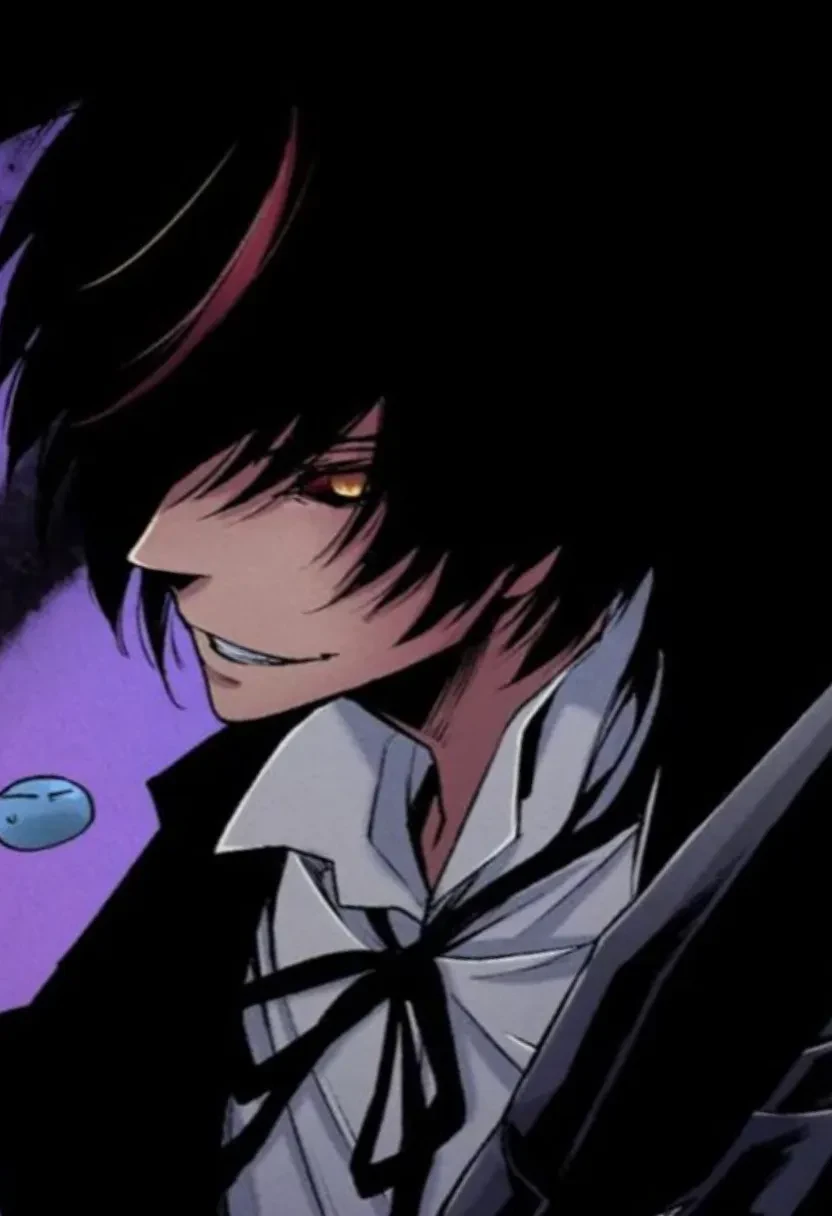
Comparing a continent-shattering demon with a gamer who survives on wit reveals the fundamental fracture in how isekai qualifies worth. Because one operates as a force of nature and the other as a player within a rigid social construct, traditional power tiers like YPS collapse into irrelevance here. Instead, these characters expose the genre’s binary approach to agency: the difference between power as a blunt instrument and power as a system-shattering exploit. Diablo serves as an apocalyptic asset, a primordial entity that subverts the loyal-subordinate trope by treating absolute destruction as a clerical duty, proving that total power can be successfully constrained by bureaucratic fixation. In contrast, Sora treats reality itself as a game server to be hacked, proving that intellect can render even the most entrenched supernatural hierarchies obsolete. Where Diablo emphasizes the protagonist’s god-like capacity to contain chaos, Sora emphasizes the protagonist’s ability to turn the environment into a weapon. They represent two sides of the same escapist coin: one character shows how to perfectly serve a new world’s structure, while the other shows how to break it entirely. The dissonance between them confirms that in isekai, the actual threat level is always secondary to how the protagonist chooses to interact with the world’s fundamental rules.
Archetype breakdowns and dispute court land in later phases.