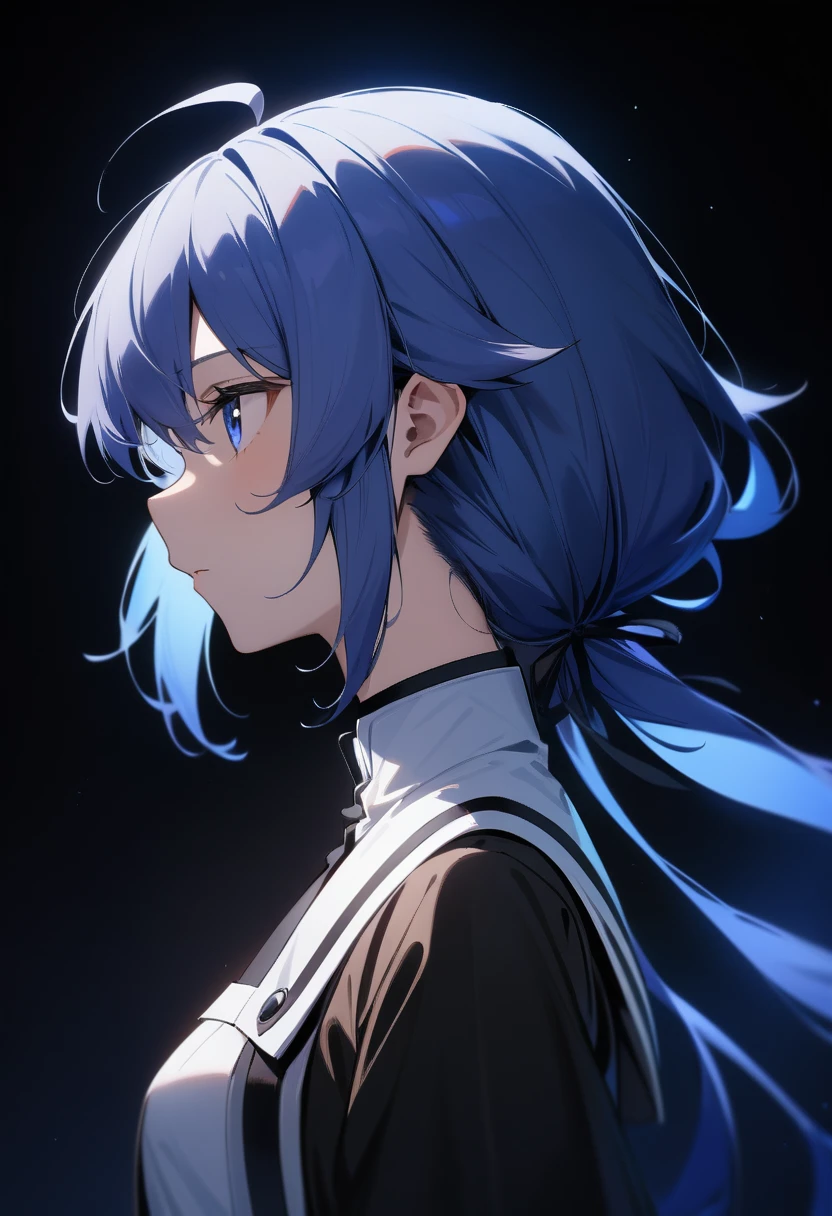
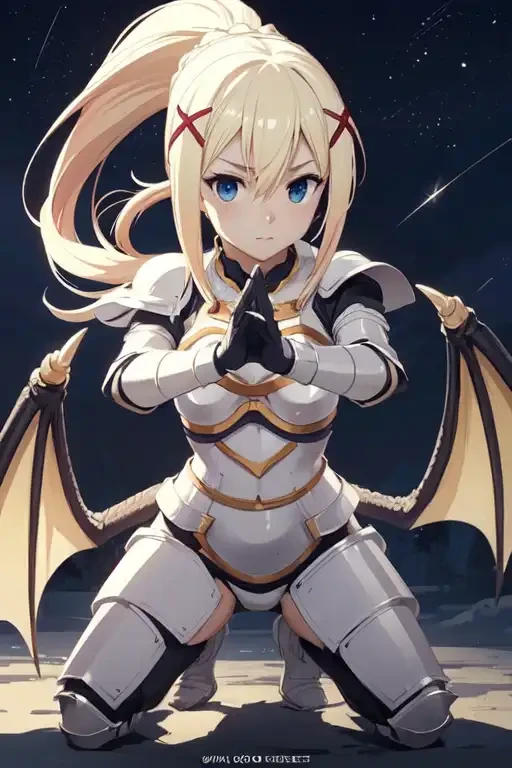
The comparison between Darkness and Roxy Migurdia isn’t about differing power levels—both operate within a similar YPS-2 to YPS-3 range—but reveals how fundamentally distinct isekai can be in its treatment of female characters. Darkness exists almost entirely *as* a gag, her entire being structured around a single, unchanging desire. Her low Ego score isn’t a narrative failing, but the point; she’s a reactive force, defined by external stimuli and perpetually failing to assert agency beyond pursuing pain. Roxy, conversely, is a character defined by internal growth. While both score similarly on Power and Bonds, Roxy’s Growth score dwarfs Darkness’s, reflecting a genuine arc of self-discovery and adaptation. This isn’t simply about Roxy being ‘better written’—it’s about the differing priorities of their respective series. *KonoSuba* weaponizes subversion for comedic effect, flattening its characters in the process. *Mushoku Tensei*, despite its flaws, invests in Roxy’s interiority, allowing her vulnerabilities and ambitions to shape the narrative. The gap isn’t about what they *can* do, but what the story *allows* them to be. It highlights a crucial split in the genre: is the female character a punchline, or a person?
Archetype breakdowns and dispute court land in later phases.