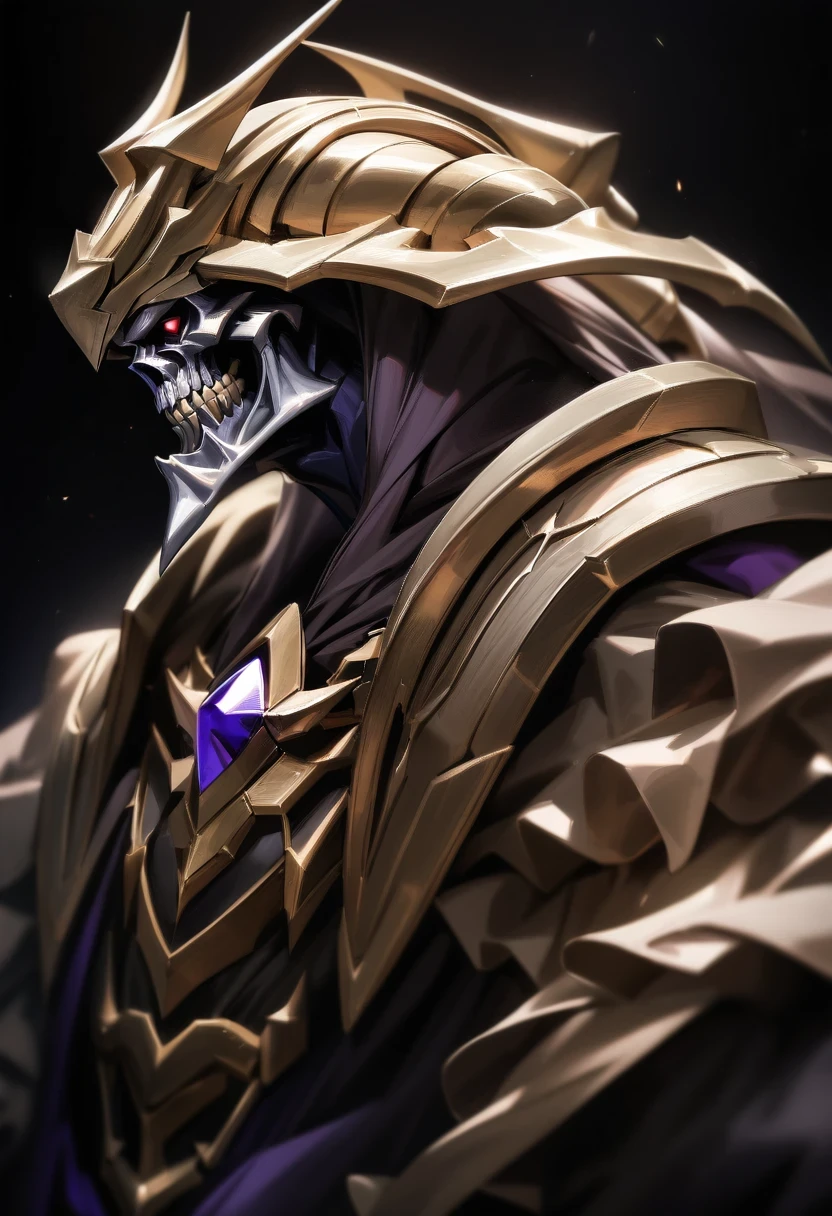

The corporate burnout is the defining trauma of the modern isekai protagonist, yet it manifests as either a desperate need for control or a radical pursuit of stillness. A direct YPS comparison fails here because authority-based power and physical-based power operate on different axes. While both occupy the YPS-4 (Nation Level) tier, Ainz’s influence is a systemic deterrent built on fear and bureaucracy, whereas Azusa’s is a personal deterrent built on three centuries of statistical accumulation. Ainz uses his power to perform a role he fears he does not deserve, turning the New World into a corporate extension of Nazarick. His bonds are structural, tied to the hierarchy of a guild and the performance of an omniscient ruler. Azusa, conversely, uses her strength to dismantle the very concept of hierarchy, treating the Blue Dragon tribe not as subjects to be ruled, but as neighbors to be integrated. This is where the DNA profiles diverge sharply. Ainz’s Growth reflects a descent into moral detachment—a shift toward Darkness as his undead nature erodes his empathy. Azusa’s lack of Growth is her victory; she refuses to evolve beyond the boundaries of her garden. One character builds a fortress to keep the world out, while the other builds a home that accidentally pulls the world in.
Archetype breakdowns and dispute court land in later phases.