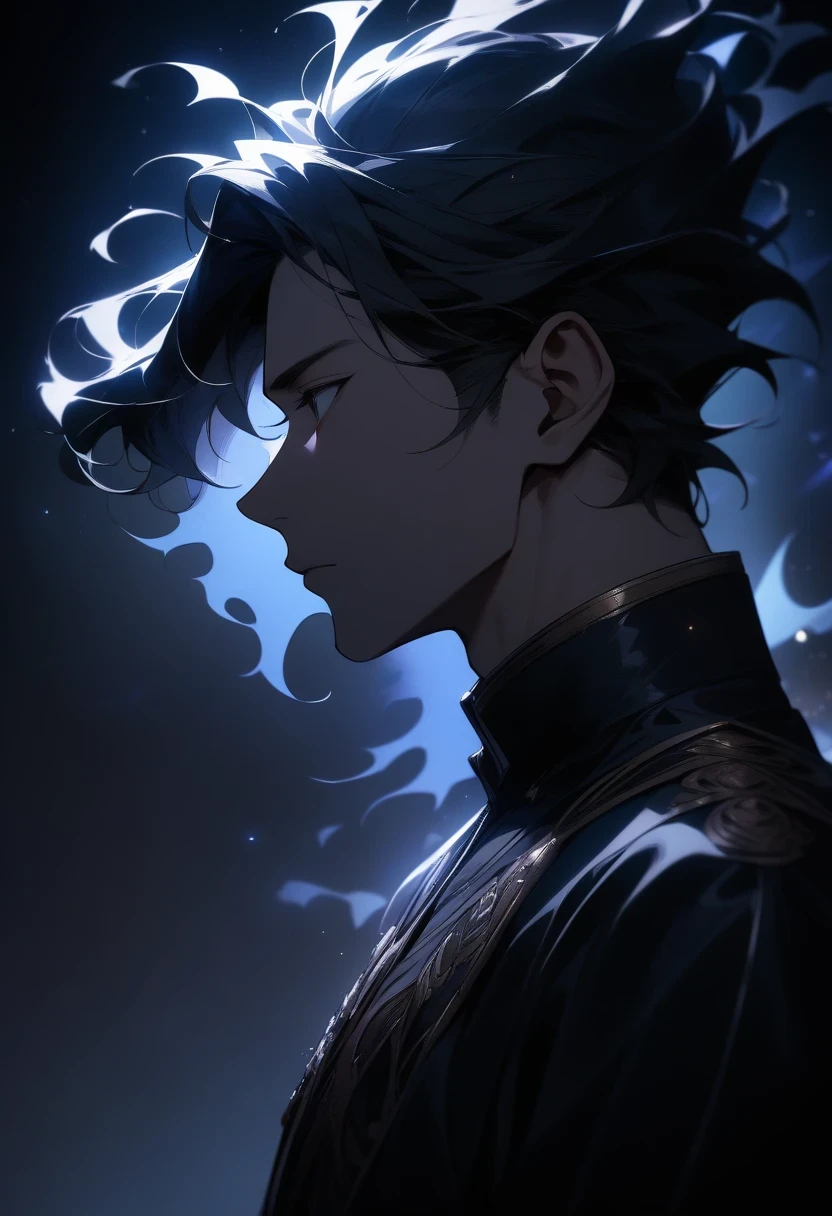
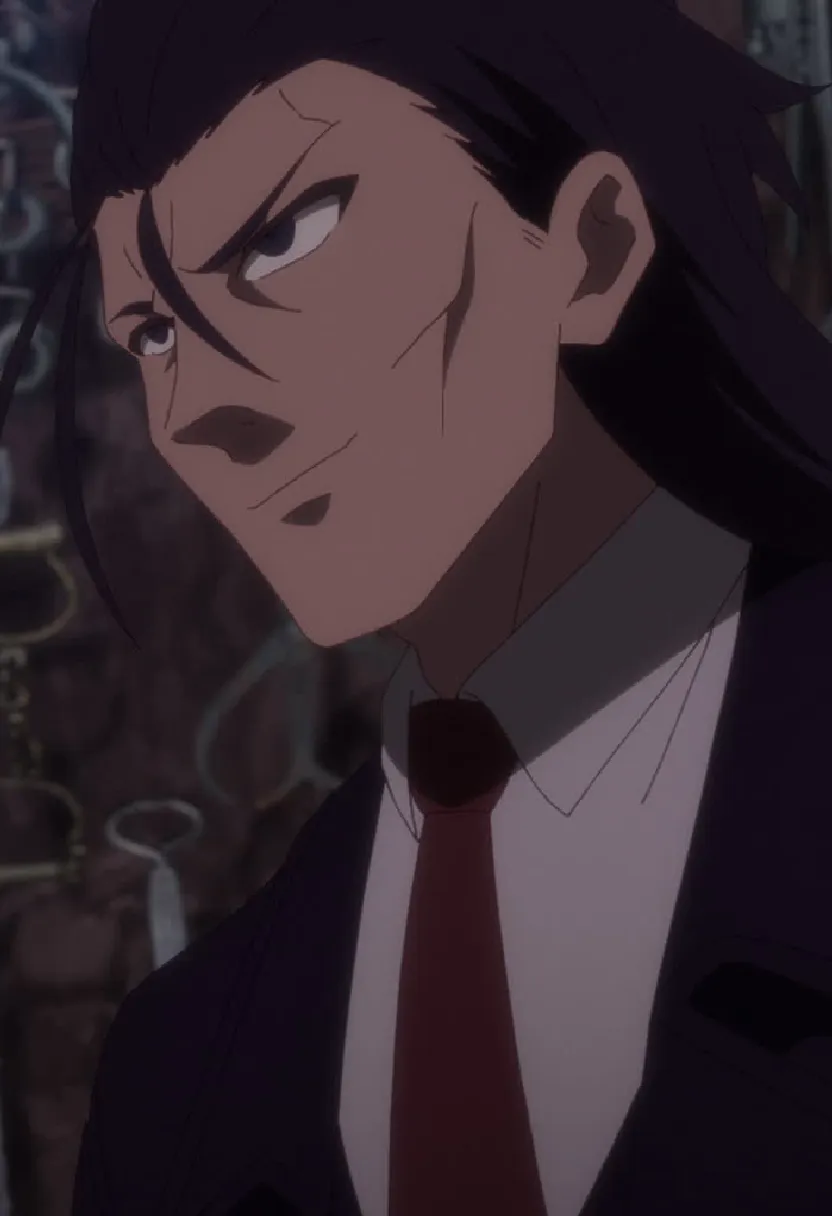
The real divide in isekai power is not between the destructive and the constructive, but between the sovereign and the administrator. Comparing a YPS-7 World Ender to a YPS-3 City Level entity is logically flawed because their power types operate on different planes; one rewrites the laws of existence through hybrid magic, while the other manipulates a pre-existing system via administrative authority. This cross-type gap renders a direct combat analysis irrelevant, shifting the focus instead to how these characters exercise will. Anos operates from a position of absolute self-determination, where his high Ego score manifests as a disciplined restraint to prevent catastrophic collateral. He chooses peace over tyranny, proving that true sovereignty is the ability to refuse one's own nature. Kunai, however, treats the world as a management simulation. He leverages his authority to build resorts and hospitals, applying salaryman pragmatism to a fantasy landscape. While Anos grows by refining his moral core, Kunai’s trajectory is a parasitic erasure. The administrative power he wields to organize society slowly overwrites his original human memories, turning his growth into a loss of self. In this contrast, isekai reveals a cynical truth about power: for the sovereign, it is a burden to be mastered, but for the administrator, it is a tool that eventually consumes the user.
Archetype breakdowns and dispute court land in later phases.