
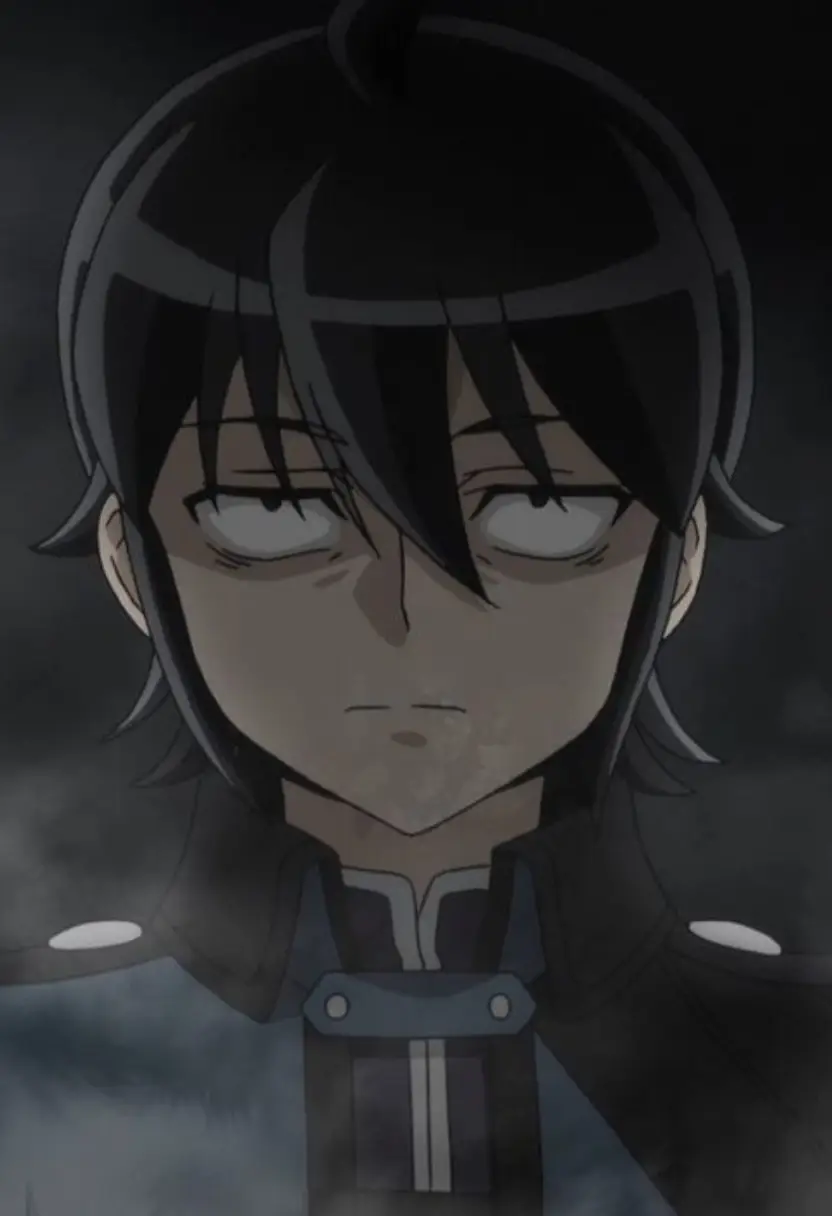
The fundamental tension in this pairing lies not in a combat output gap, but in the opposing philosophies of sovereignty. Because one operates as a hybrid law-writer and the other as a physical powerhouse, a direct YPS comparison between a YPS-7 and a YPS-4 is functionally meaningless. Instead, the real story is found in how they utilize their authority to define "belonging." Anos views his immense power as a tool for integration, suppressing his destructive ceiling to force a world of coexistence. His perfect Ego score reflects a being who dictates the terms of reality to ensure others can thrive. Conversely, Makoto treats his power as a mechanism for exclusion. His creation of Asora is not an act of global leadership, but a strategic retreat from a world that rejected him. While Anos seeks to reform the system from the top down, Makoto builds a parallel system to ignore the Goddess entirely. This reveals a core isekai dichotomy: power used as a bridge versus power used as a wall. Anos's high Growth score stems from this transition from a feared tyrant to a benevolent guide, whereas Makoto's Darkness score manifests in a cold, sociopathic pragmatism used to protect his sanctuary. The distance between them is not a matter of scale, but of direction; one reaches out to the world, while the other carves a piece of the world away for himself.
Archetype breakdowns and dispute court land in later phases.