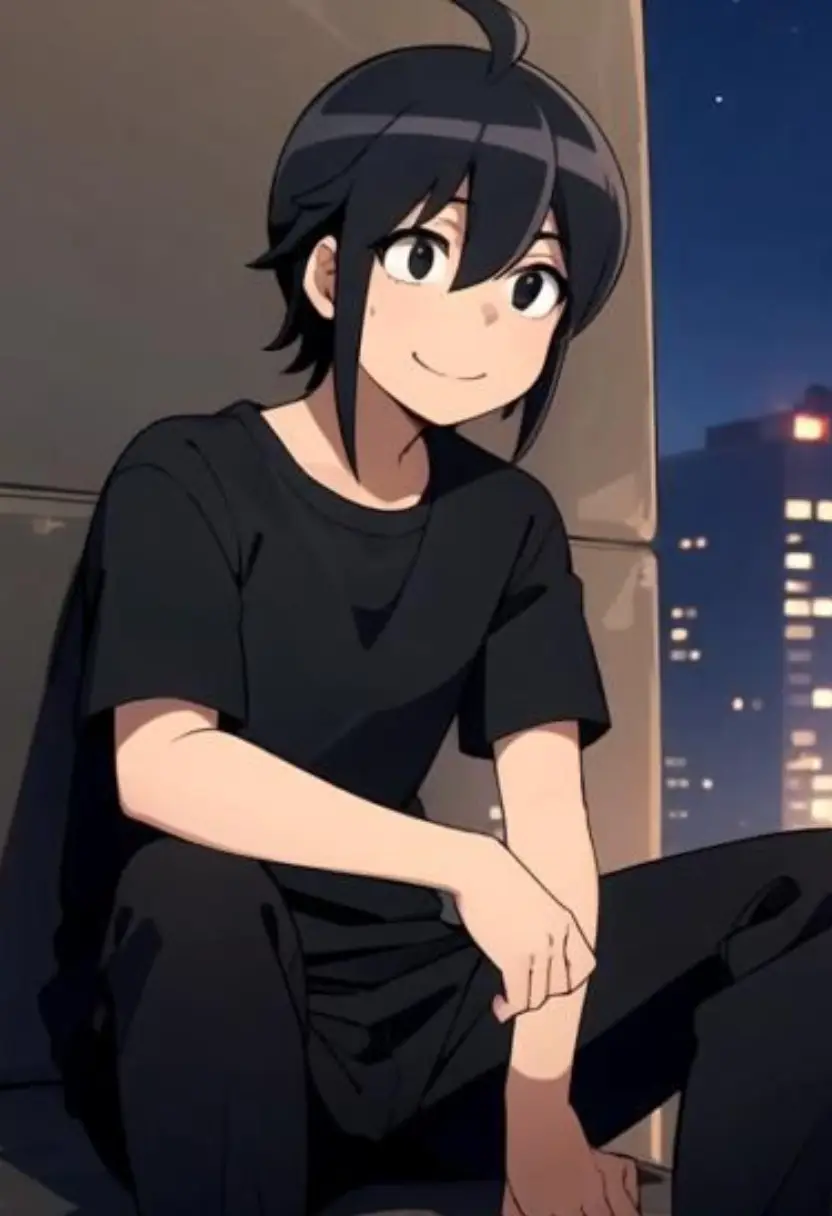
Makoto Misumi represents a subversion of the 'chosen hero' trope, defined by the paradox of possessing god-like power while being rejected by the very deity who summoned him. Unlike typical isekai protagonists who seek to save a world, Makoto’s arc is driven by a mixture of survival, resentment toward the Goddess, and a fierce, exclusionary protectiveness over his self-created sanctuary, Asora. His defining tension lies in his struggle to maintain his humanity while possessing a 'dark streak' of sociopathic pragmatism; he is capable of extreme violence against those who threaten his inner circle, yet remains naively oblivious to romantic advances and social nuances. Western reception often highlights his role as a 'reluctant merchant-god' who prioritizes his own interests over the fate of the world, contrasting him with more altruistic heroes. In contrast, Eastern (Chinese) discourse emphasizes his emotional resonance—specifically his 'nostalgia' and longing for home, which manifests in the development of Asora. While Western readers focus on his combat feats and the 'isekai power fantasy' elements, Eastern readers often analyze his moral ambiguity and the cold, calculated way he navigates the politics of the Hyuman society. He is a character who bends the genre by refusing to be a hero for the masses, instead acting as a localized deity for the outcasts, effectively creating a 'home' that serves as a physical manifestation of his refusal to conform to the Goddess's beauty-obsessed standards.
ScoresCompareMakoto Misumi vs ...
Overlord
Ainz Ooal Gown
YPS-4
Overlord
Albedo
YPS-4
The Eminence in Shadow
Alpha
YPS-4
The Misfit of Demon King Academy
Anos Voldigoad
YPS-7

KonoSuba: God's Blessing on This Wonderful World!
Aqua
YPS-3

Sword Art Online
Asuna Yuuki
YPS-4
I've Been Killing Slimes for 300 Years
Azusa Aizawa
YPS-4

Re:Zero − Starting Life in Another World
Beatrice
YPS-3
Is It Wrong to Try to Pick Up Girls in a Dungeon?
Bell Cranel
YPS-4
That Time I Got Reincarnated as a Slime
Benimaru
YPS-5

My Next Life as a Villainess: All Routes Lead to Doom!
Catarina Claes
YPS-1
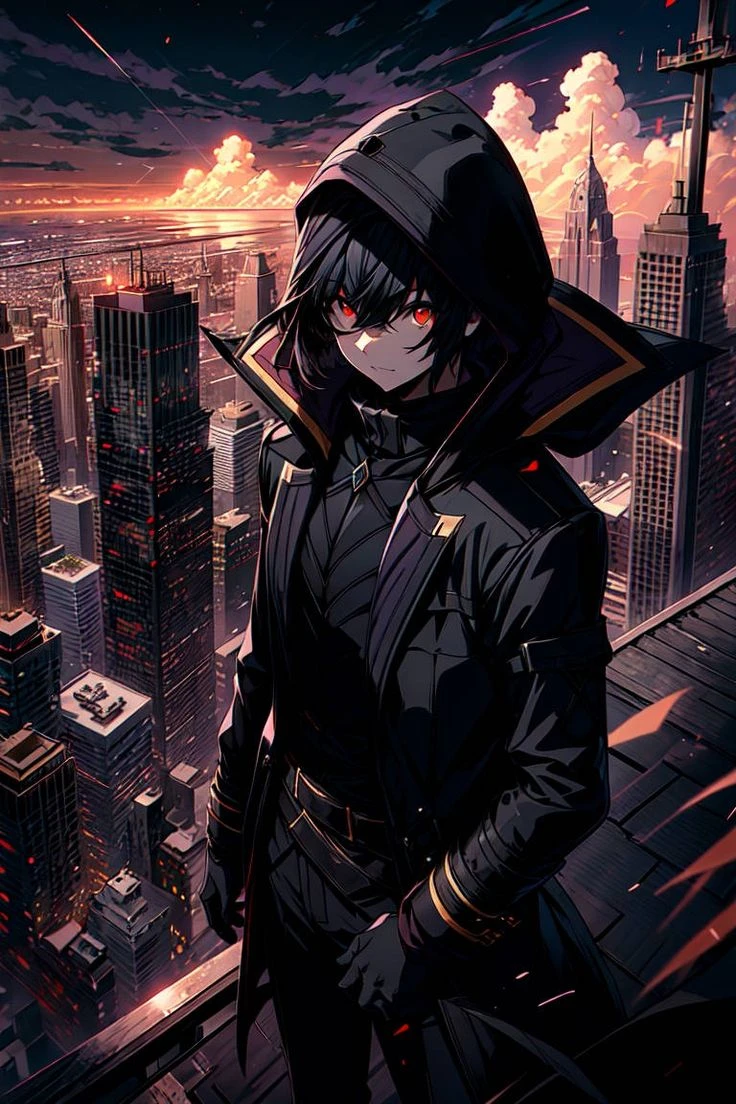
The Eminence in Shadow
Cid Kagenou
YPS-3
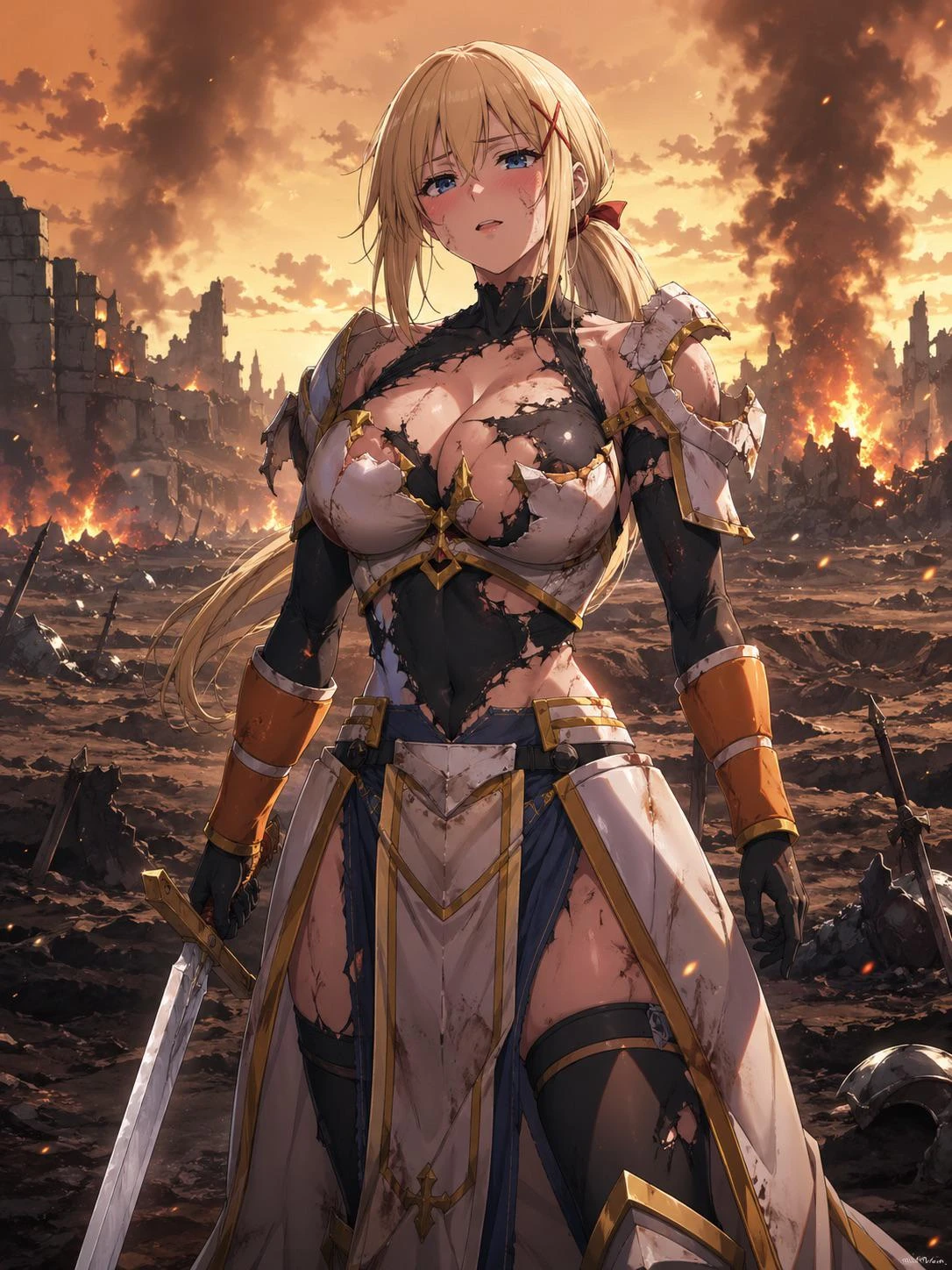
KonoSuba: God's Blessing on This Wonderful World!
Darkness
YPS-2
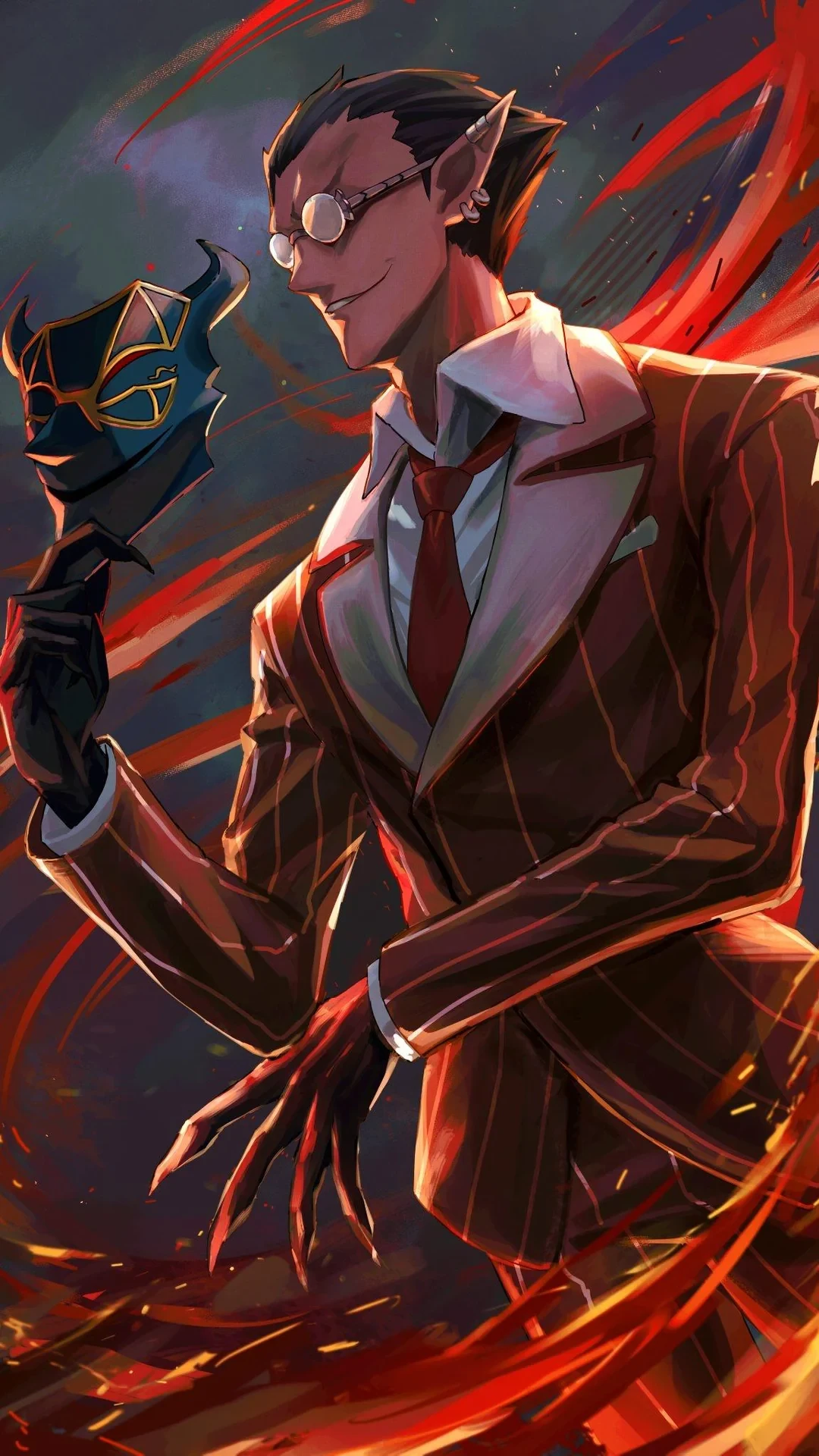
Overlord
Demiurge
YPS-4
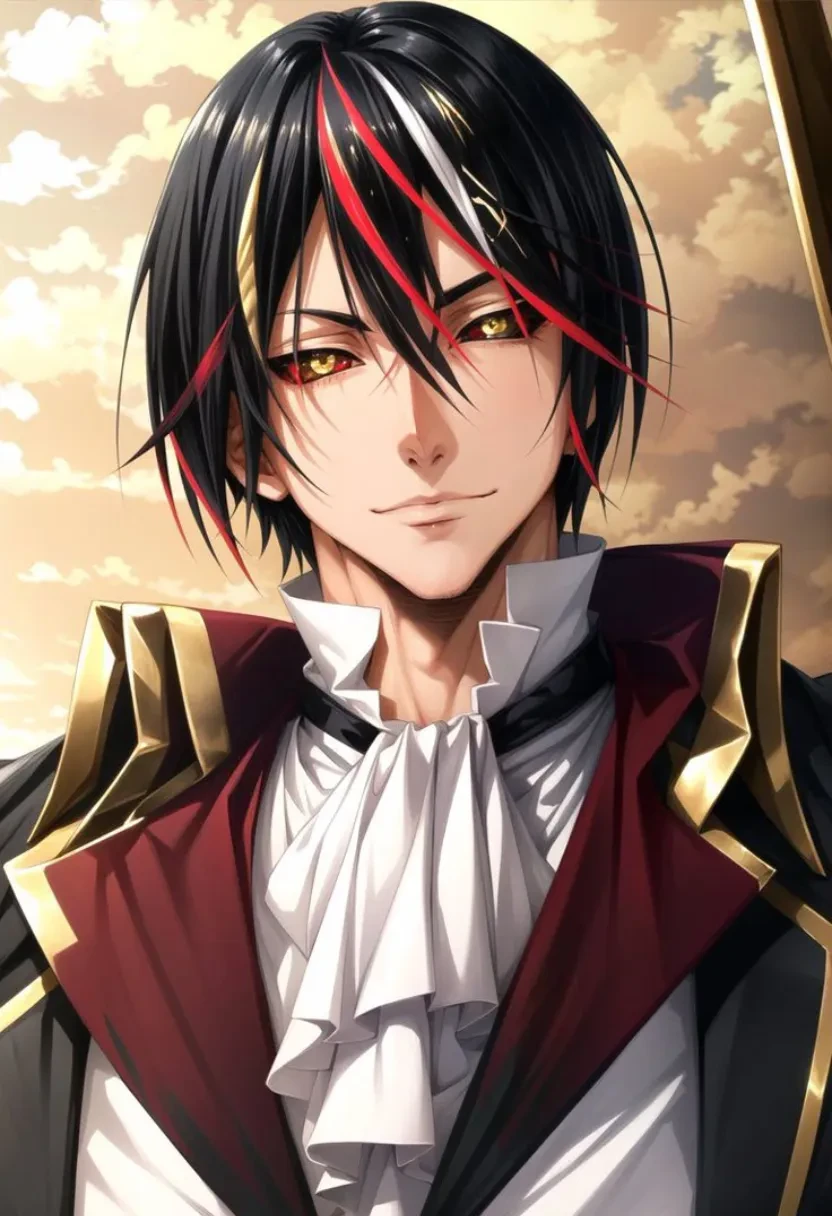
That Time I Got Reincarnated as a Slime
Diablo
YPS-5

Re:Zero − Starting Life in Another World
Emilia
YPS-4
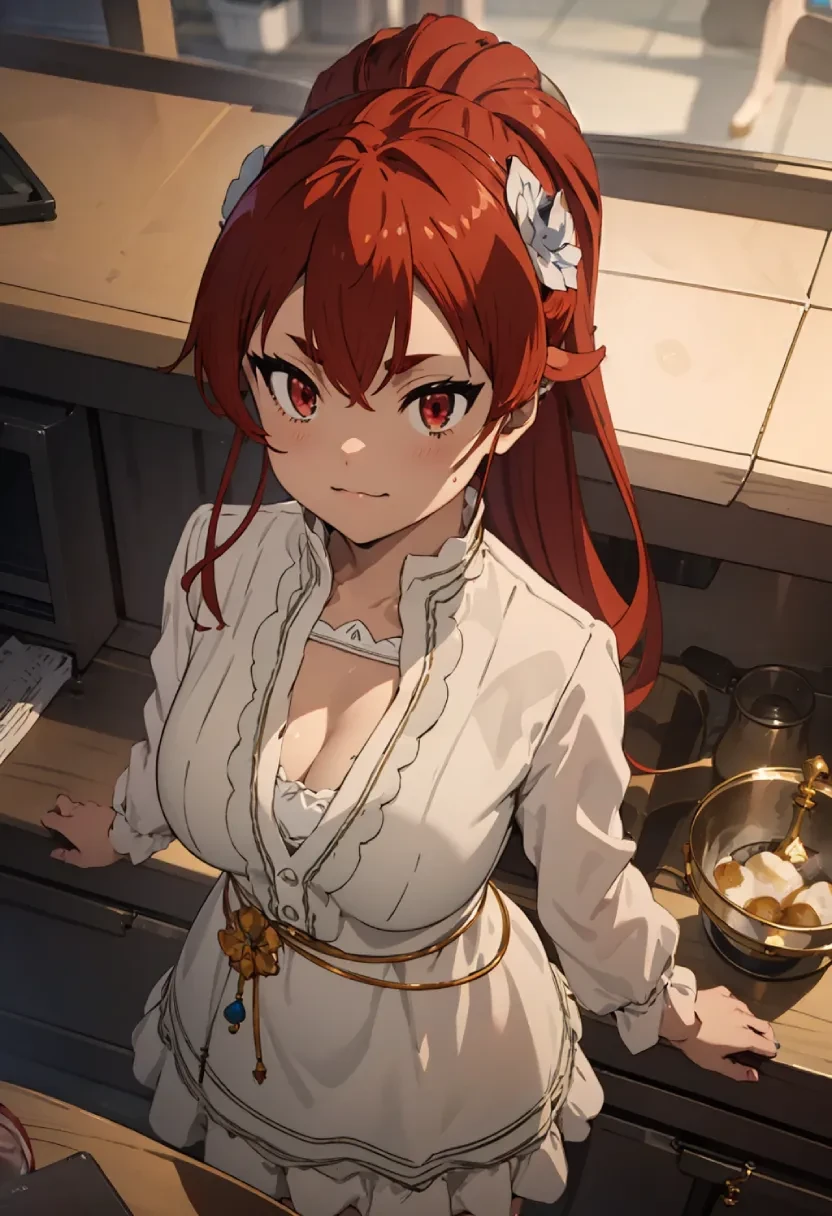
Mushoku Tensei: Jobless Reincarnation
Eris Boreas Greyrat
YPS-3

The Rising of the Shield Hero
Filo
YPS-2
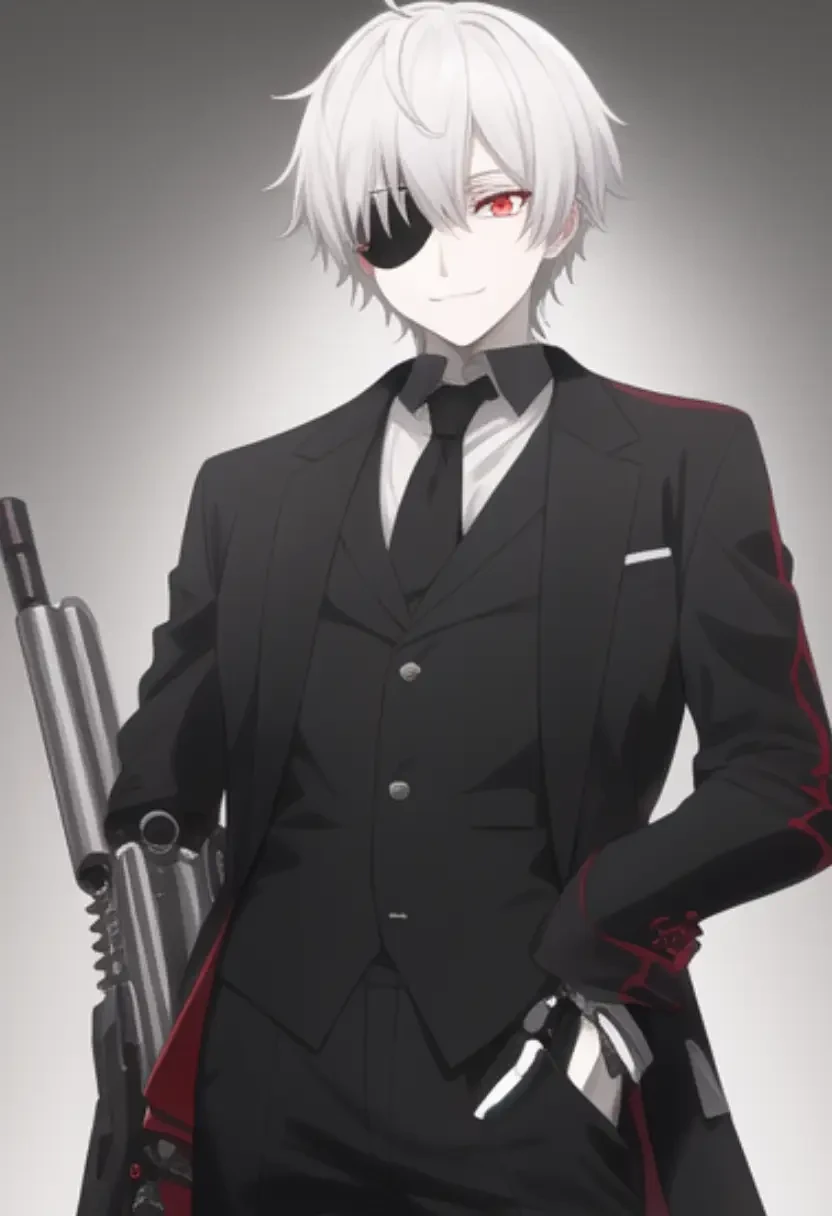
Arifureta: From Commonplace to World's Strongest
Hajime Nagumo
YPS-7
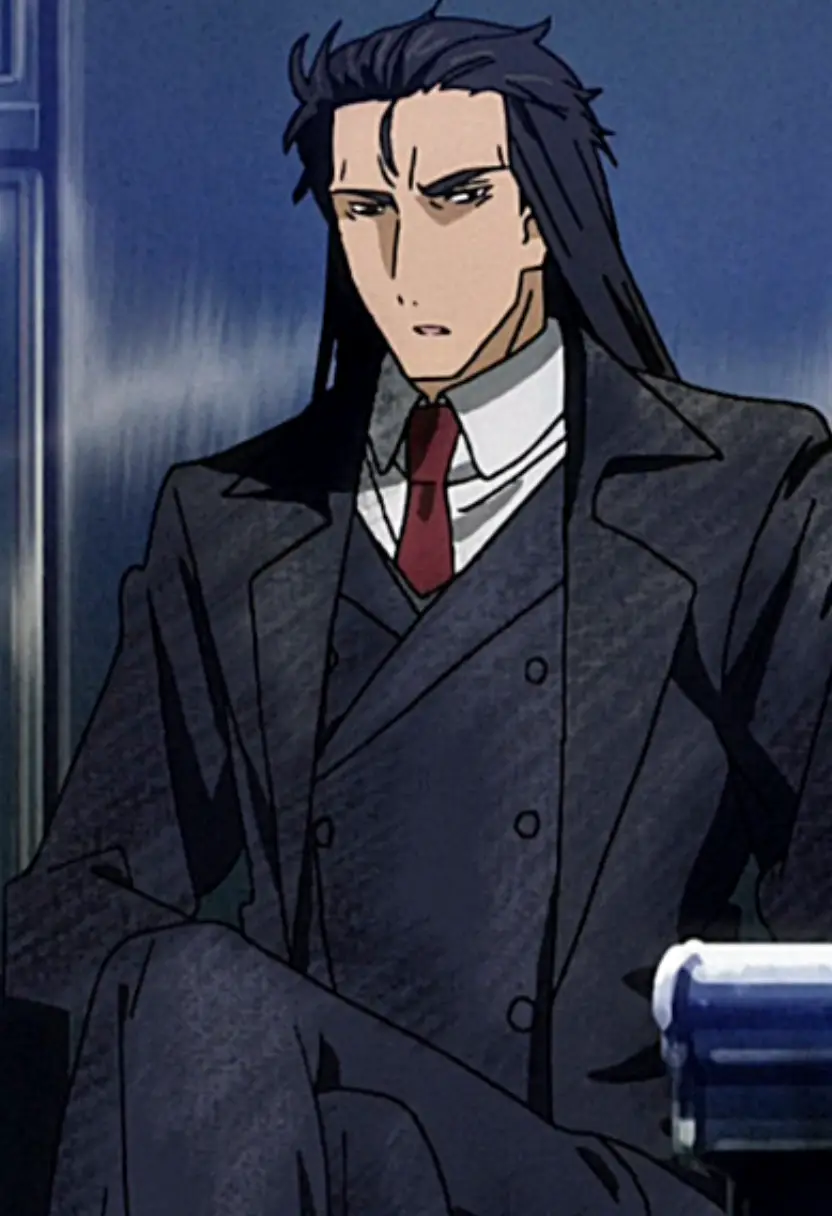
Demon Lord, Retry!
Hakuto Kunai
YPS-3

A Record of a Mortal's Journey to Immortality
Han Li
YPS-7
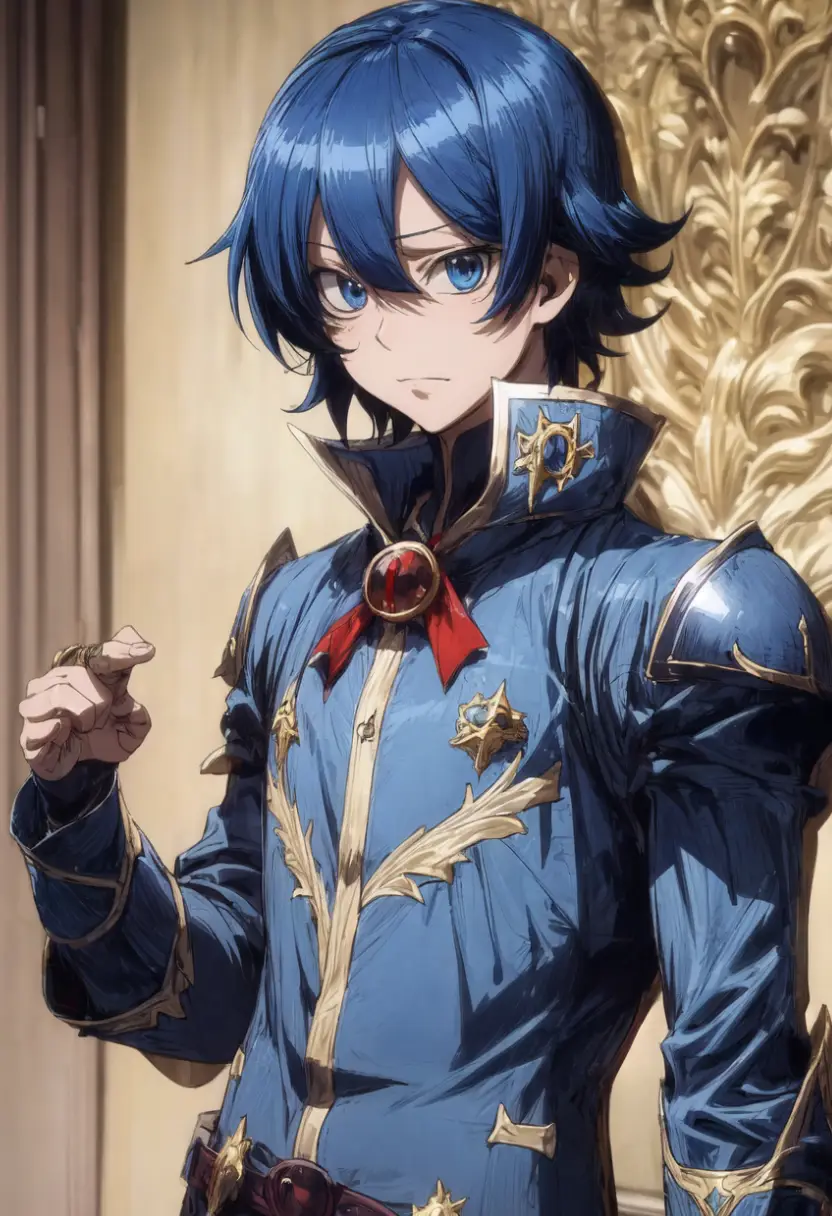
Welcome to Demon School! Iruma-kun
Iruma Suzuki
YPS-1
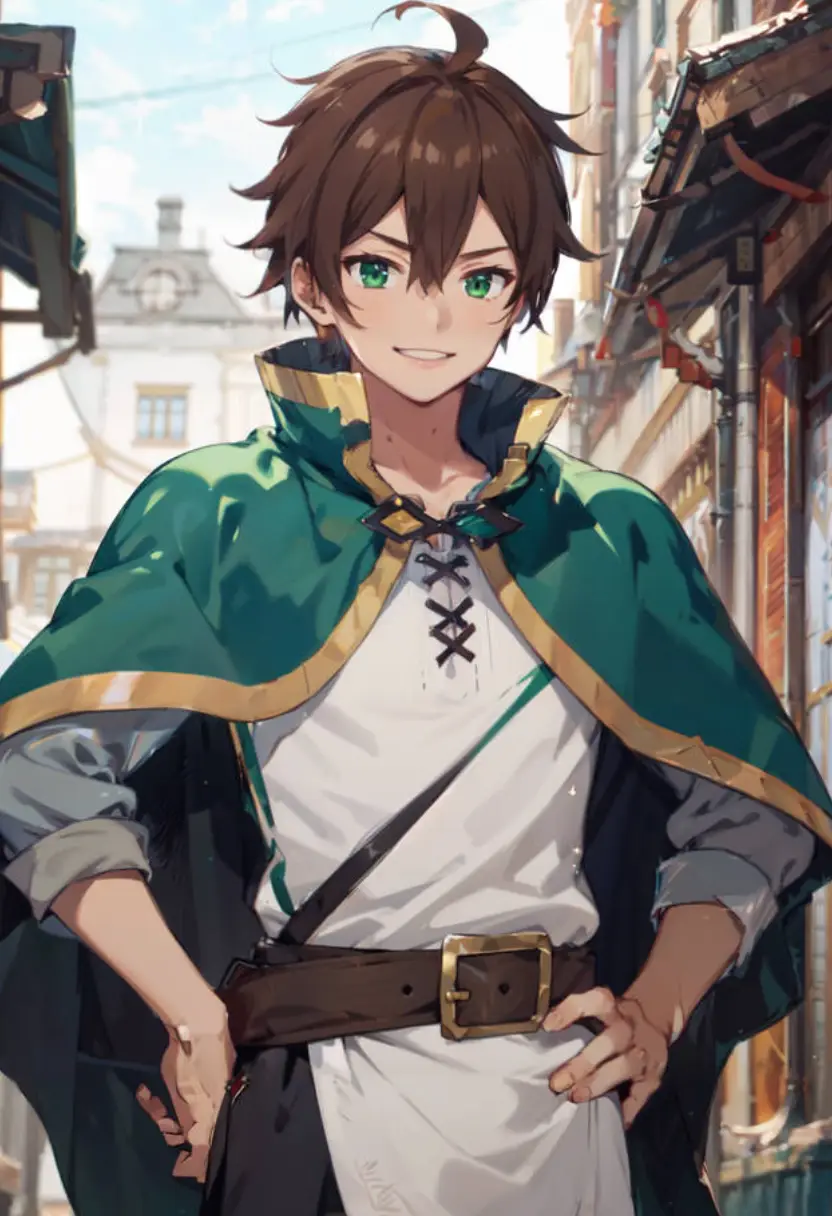
KonoSuba: God's Blessing on This Wonderful World!
Kazuma Satō
YPS-3
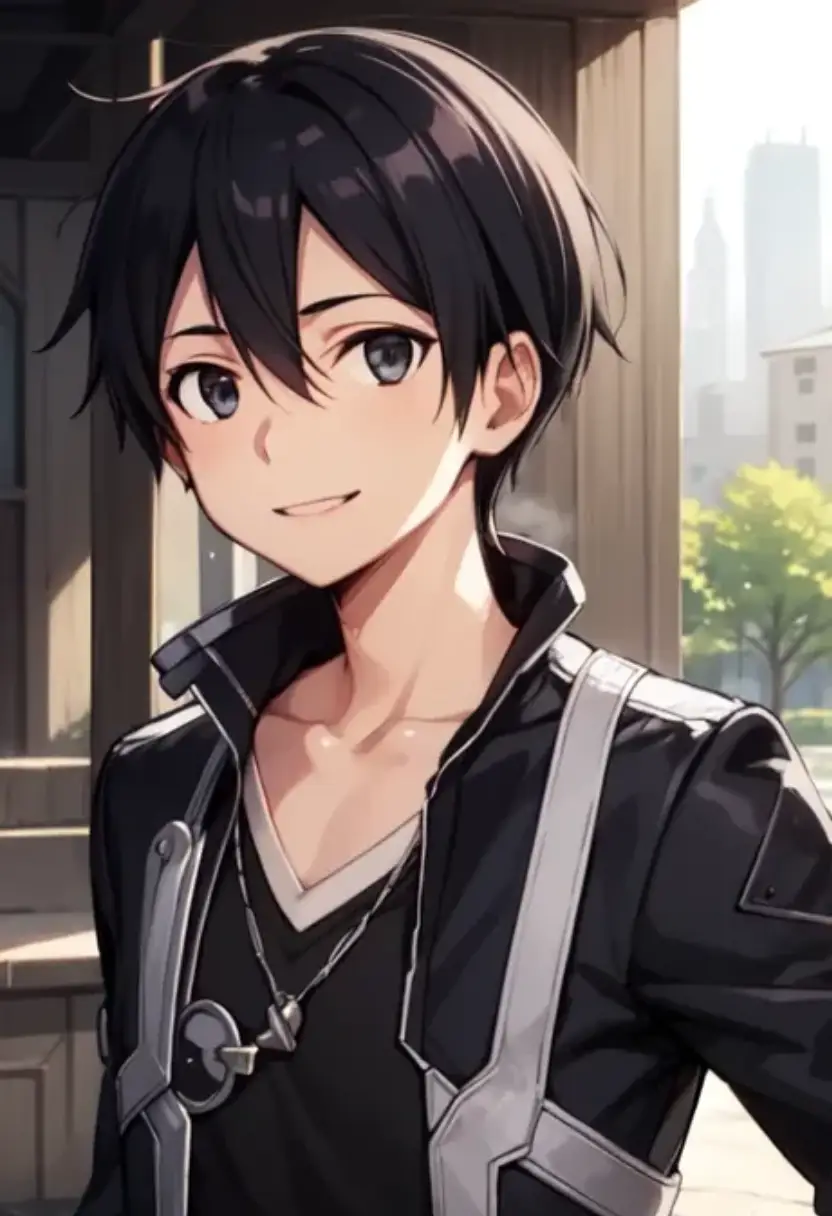
Sword Art Online
Kirito
YPS-4

The World's Finest Assassin Gets Reincarnated in Another World as an Aristocrat
Lugh Tuatha Dé
YPS-3
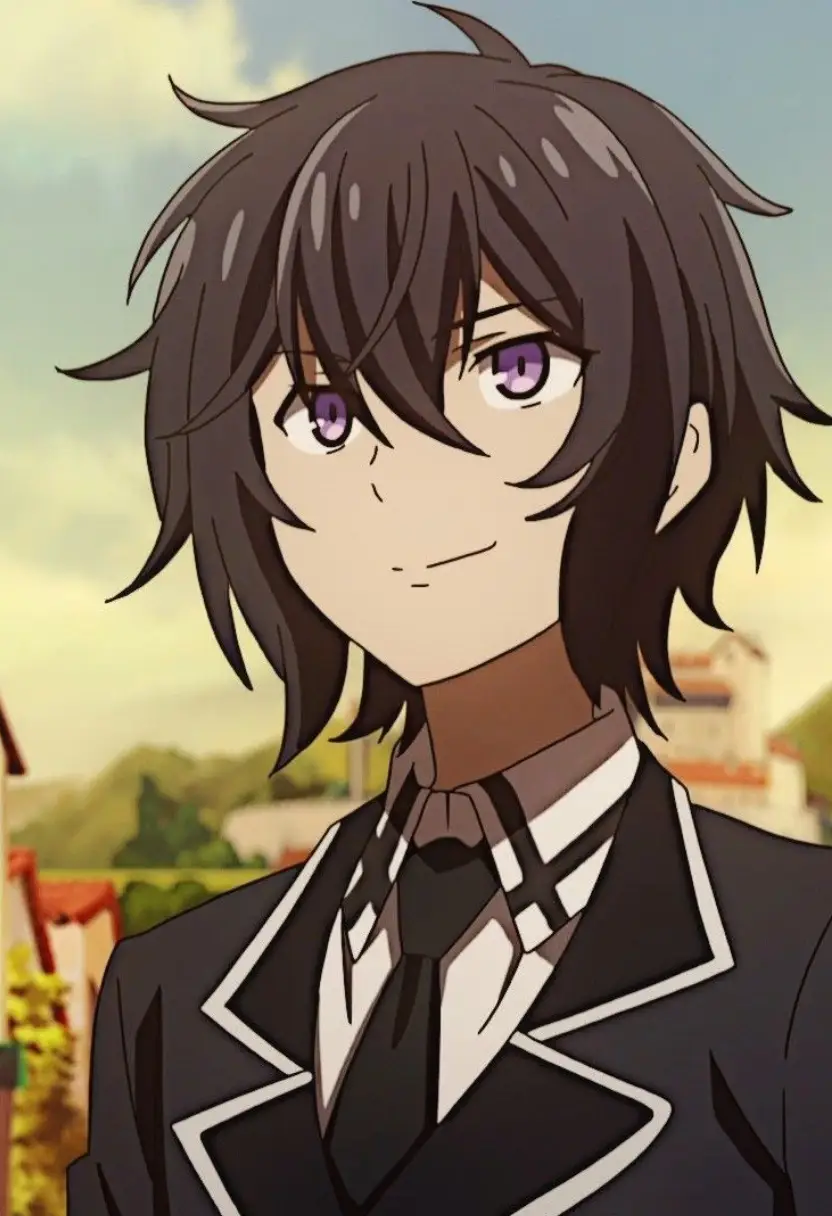
The Strongest Sage with the Weakest Crest
Mathias Hildesheimer
YPS-4
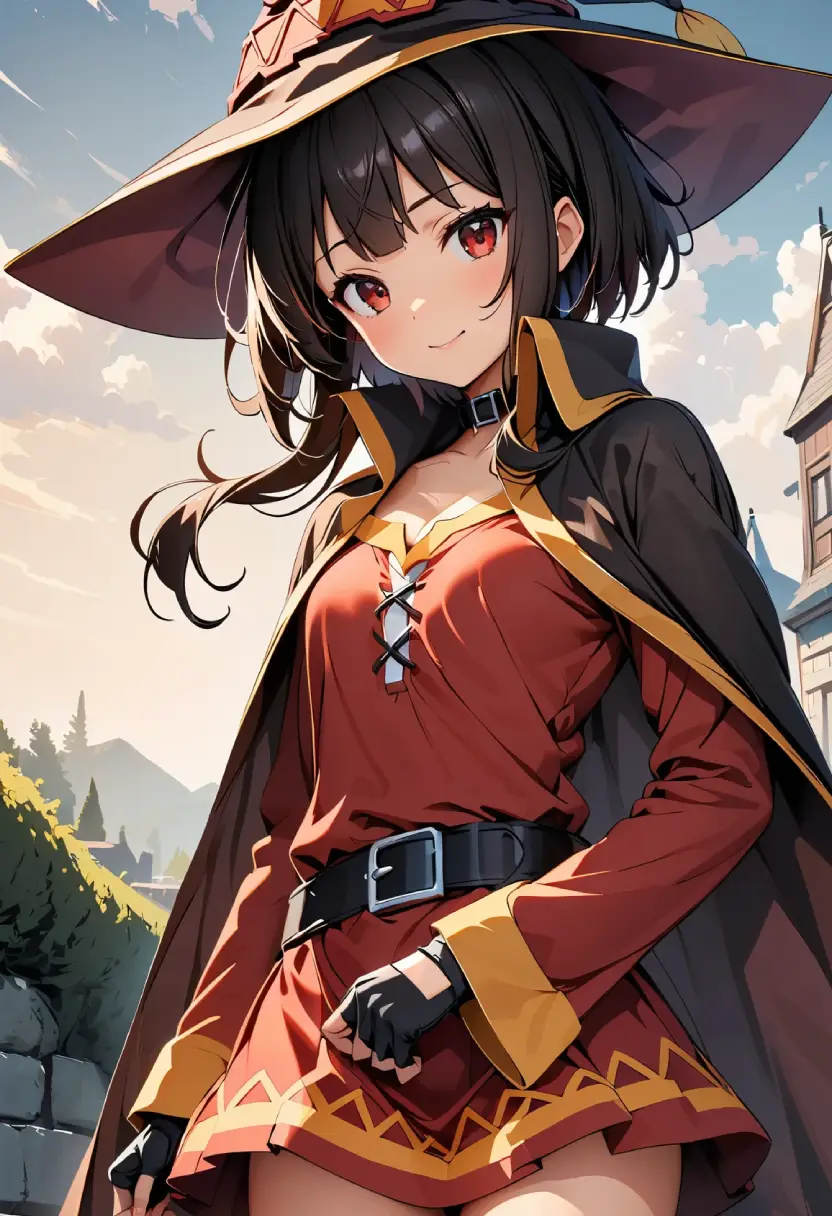
KonoSuba: God's Blessing on This Wonderful World!
Megumin
YPS-3

Didn't I Say to Make My Abilities Average in the Next Life?!
Mile
YPS-5

That Time I Got Reincarnated as a Slime
Milim Nava
YPS-6
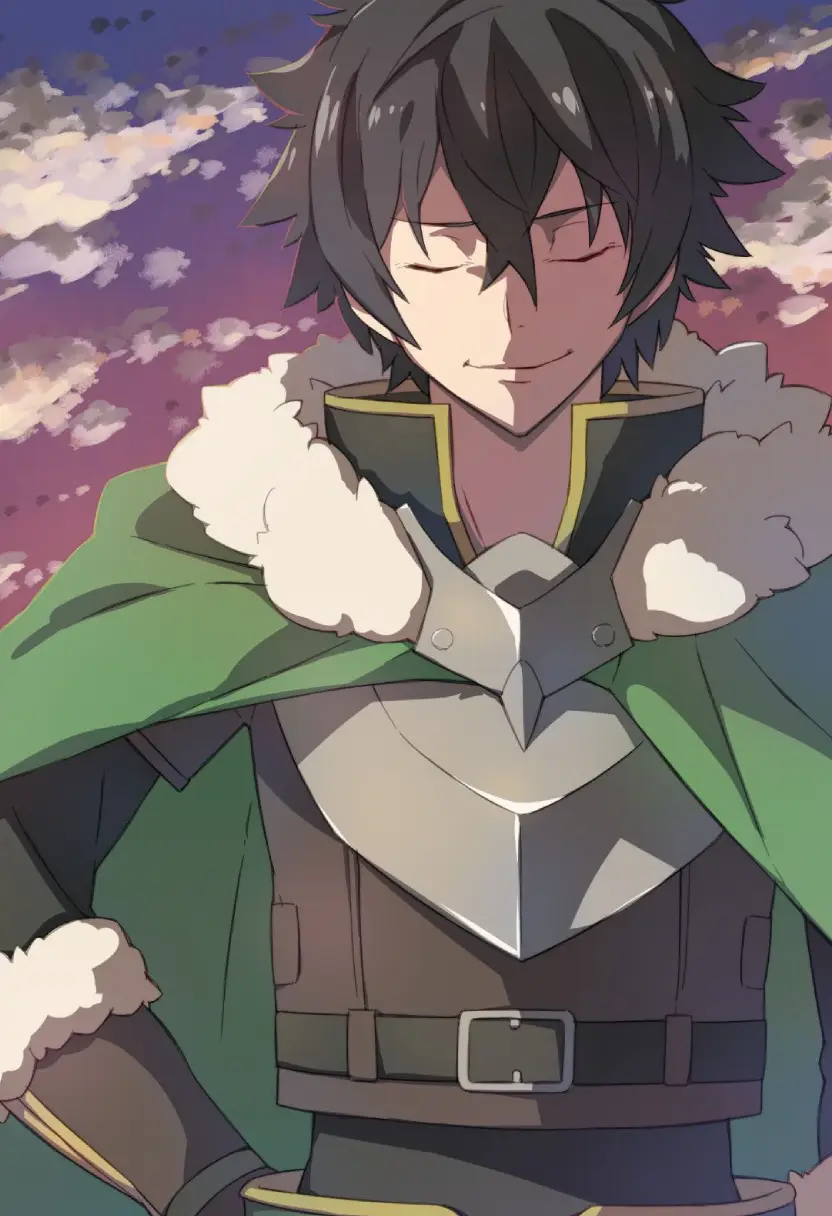
The Rising of the Shield Hero
Naofumi Iwatani
YPS-4
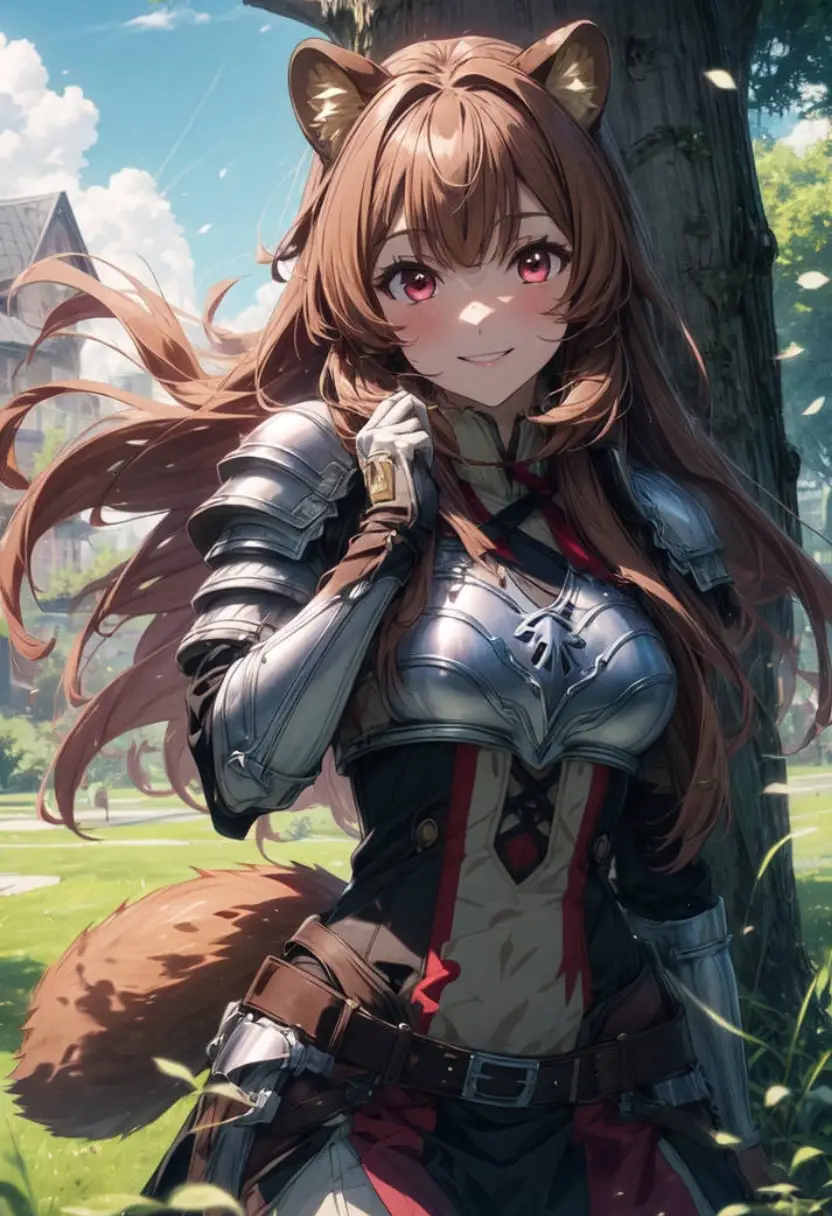
The Rising of the Shield Hero
Raphtalia
YPS-3

Re:Zero − Starting Life in Another World
Rem
YPS-2

That Time I Got Reincarnated as a Slime
Rimuru Tempest
YPS-6
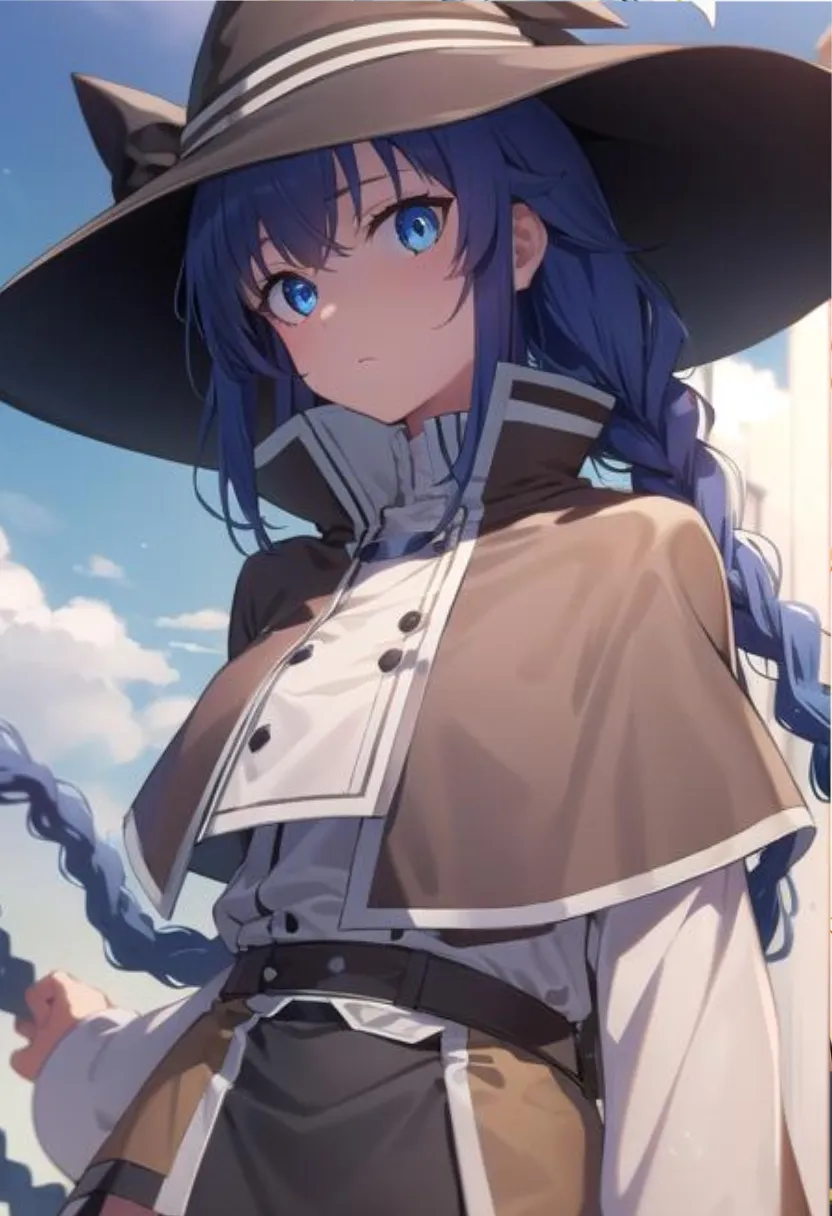
Mushoku Tensei: Jobless Reincarnation
Roxy Migurdia
YPS-3
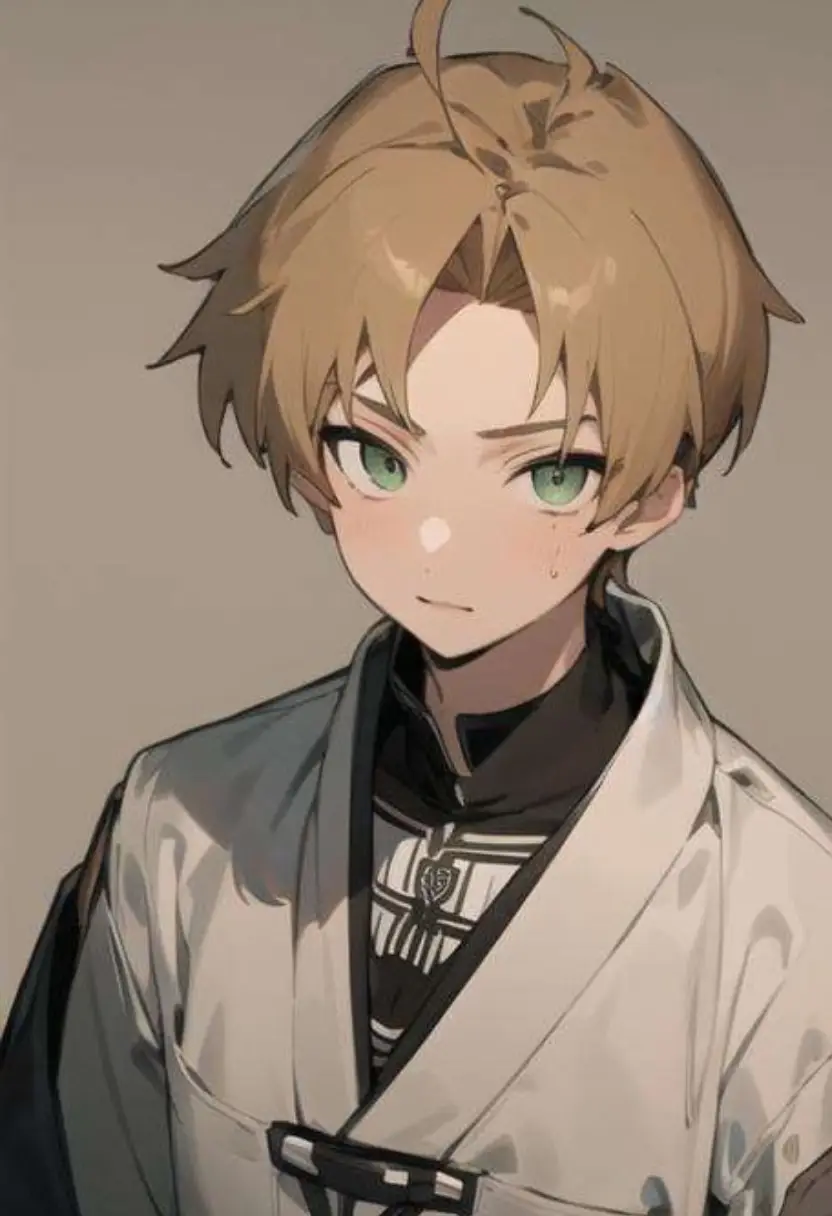
Mushoku Tensei: Jobless Reincarnation
Rudeus Greyrat
YPS-4
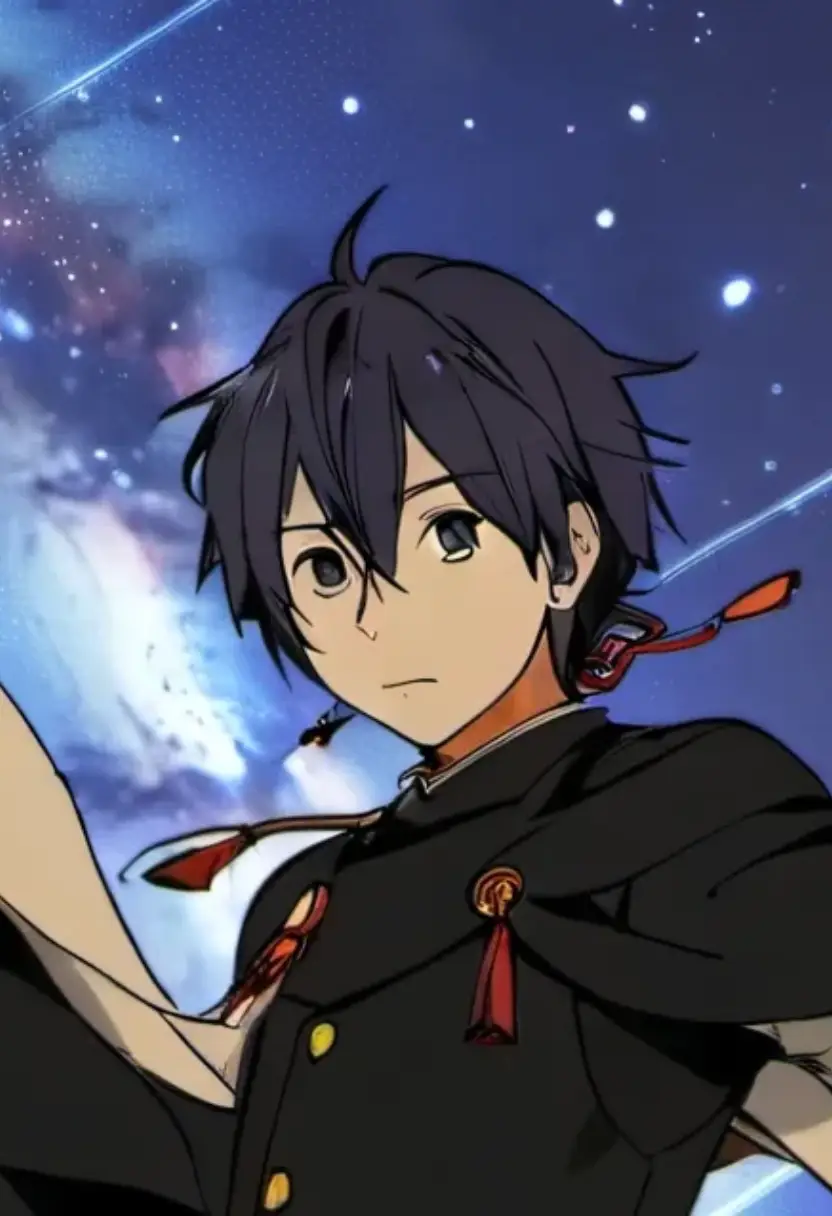
Death March to the Parallel World Rhapsody
Satou Pendragon
YPS-7
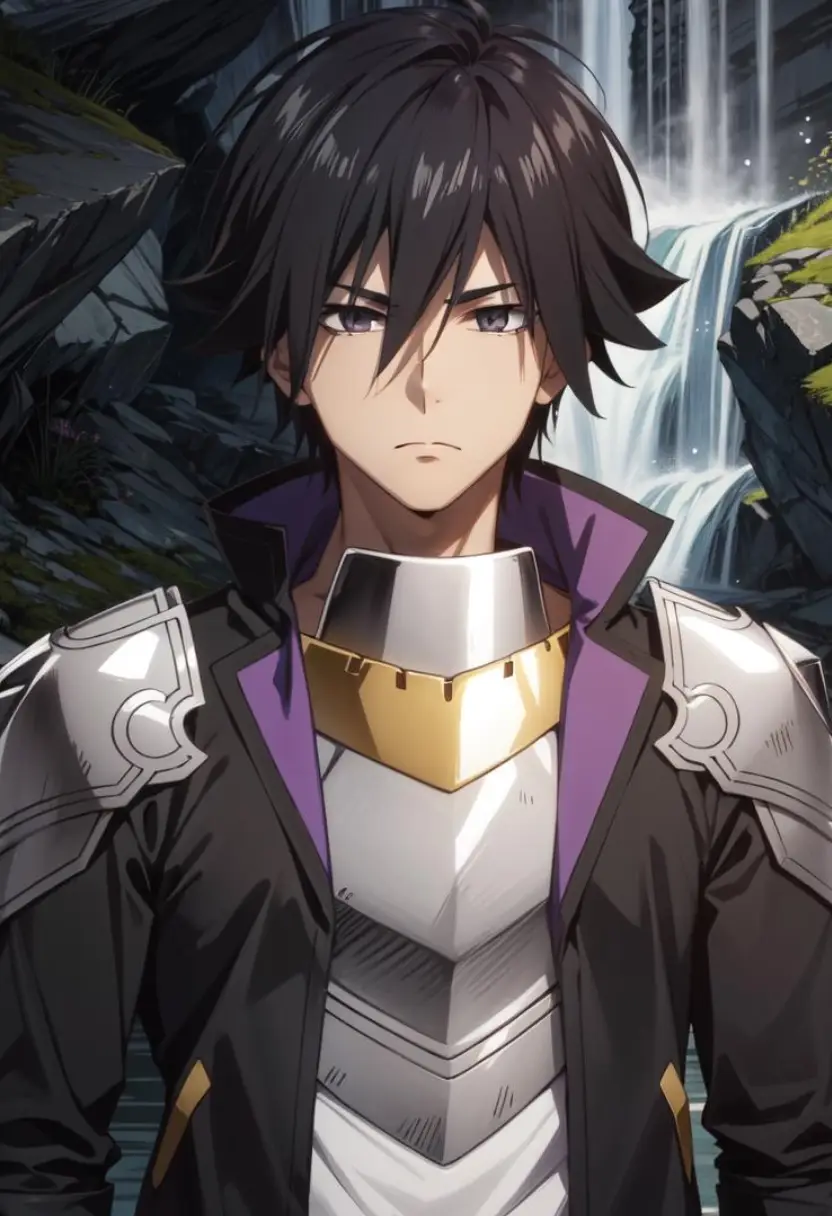
Cautious Hero: The Hero Is Overpowered but Overly Cautious
Seiya Ryūgūin
YPS-4
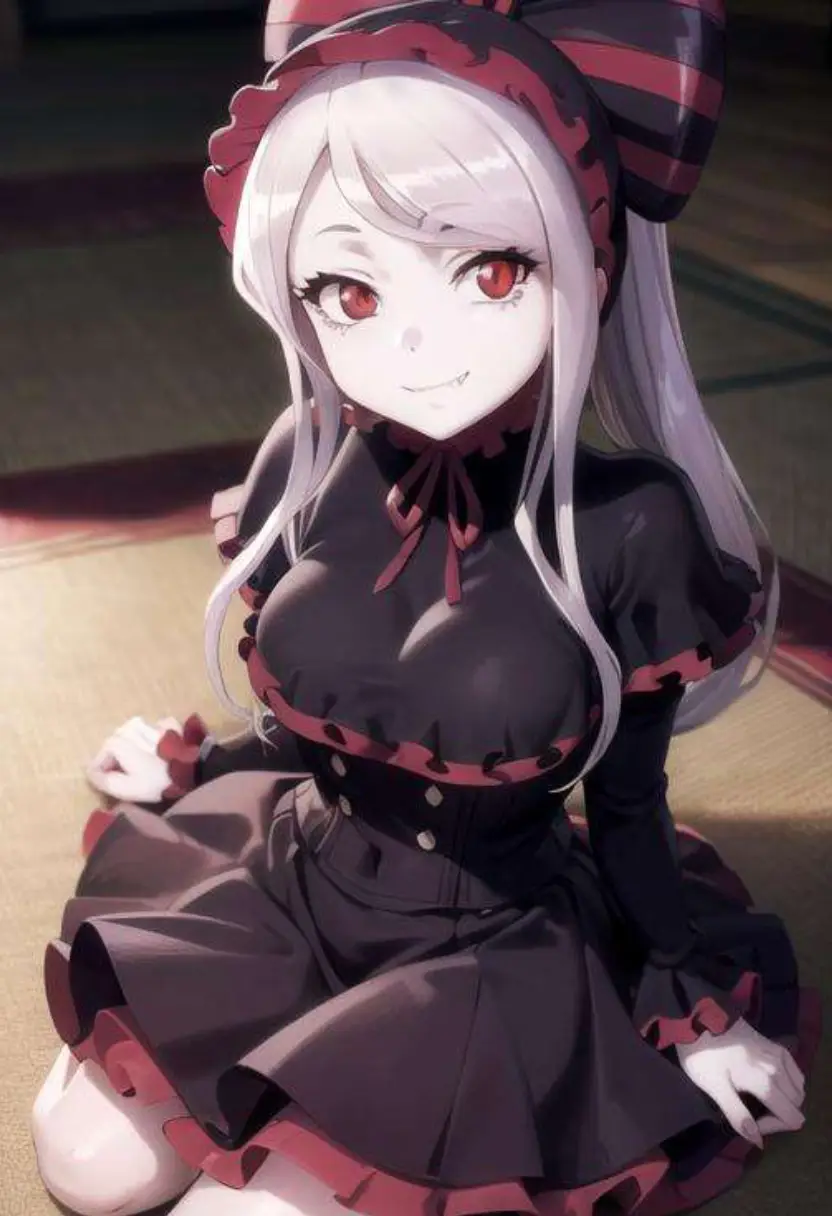
Overlord
Shalltear Bloodfallen
YPS-3
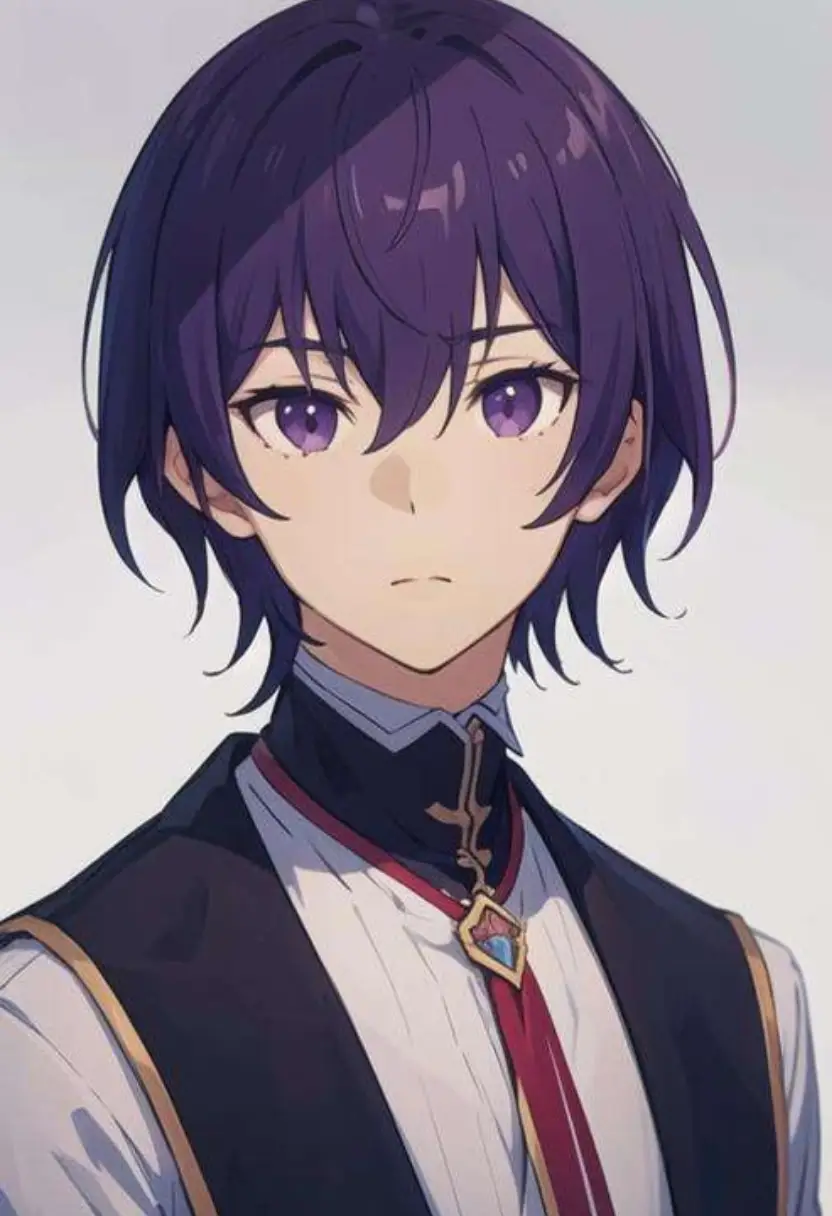
Wise Man's Grandchild
Shin Wolford
YPS-4
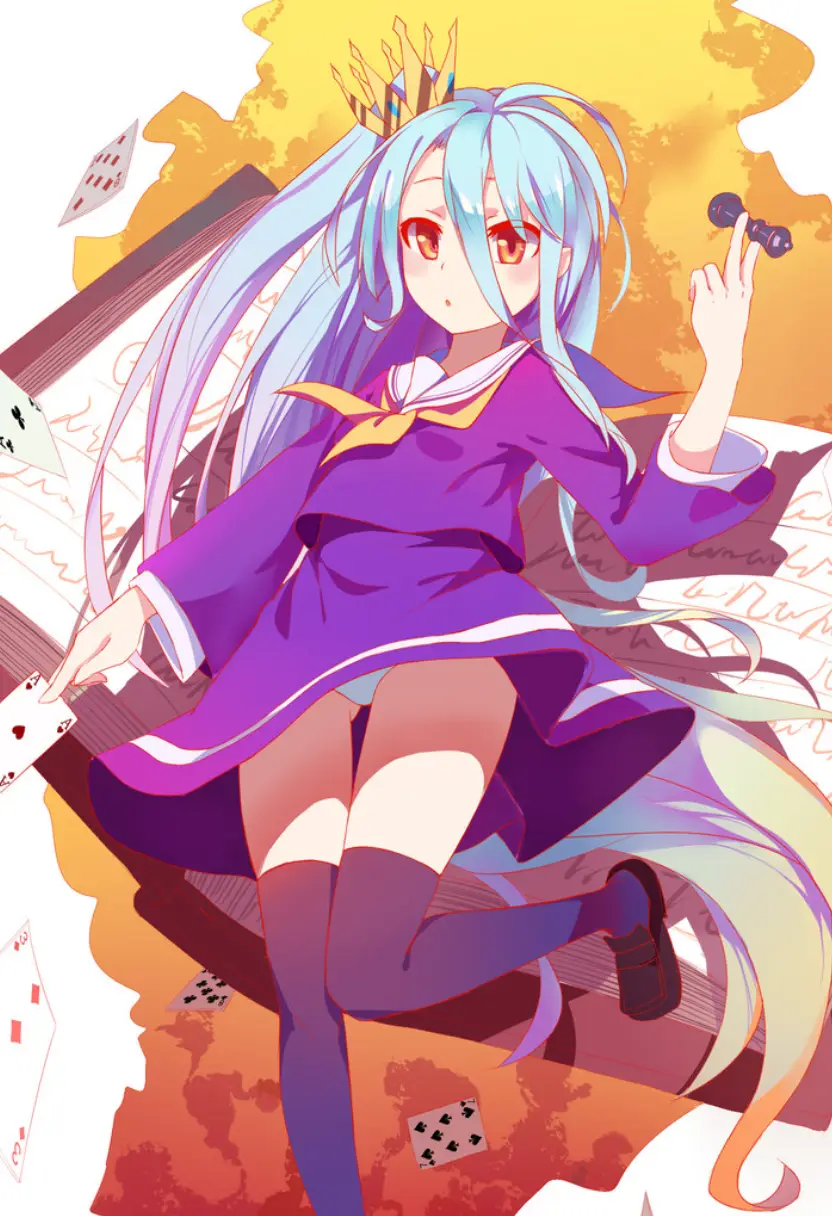
No Game No Life
Shiro
YPS-1
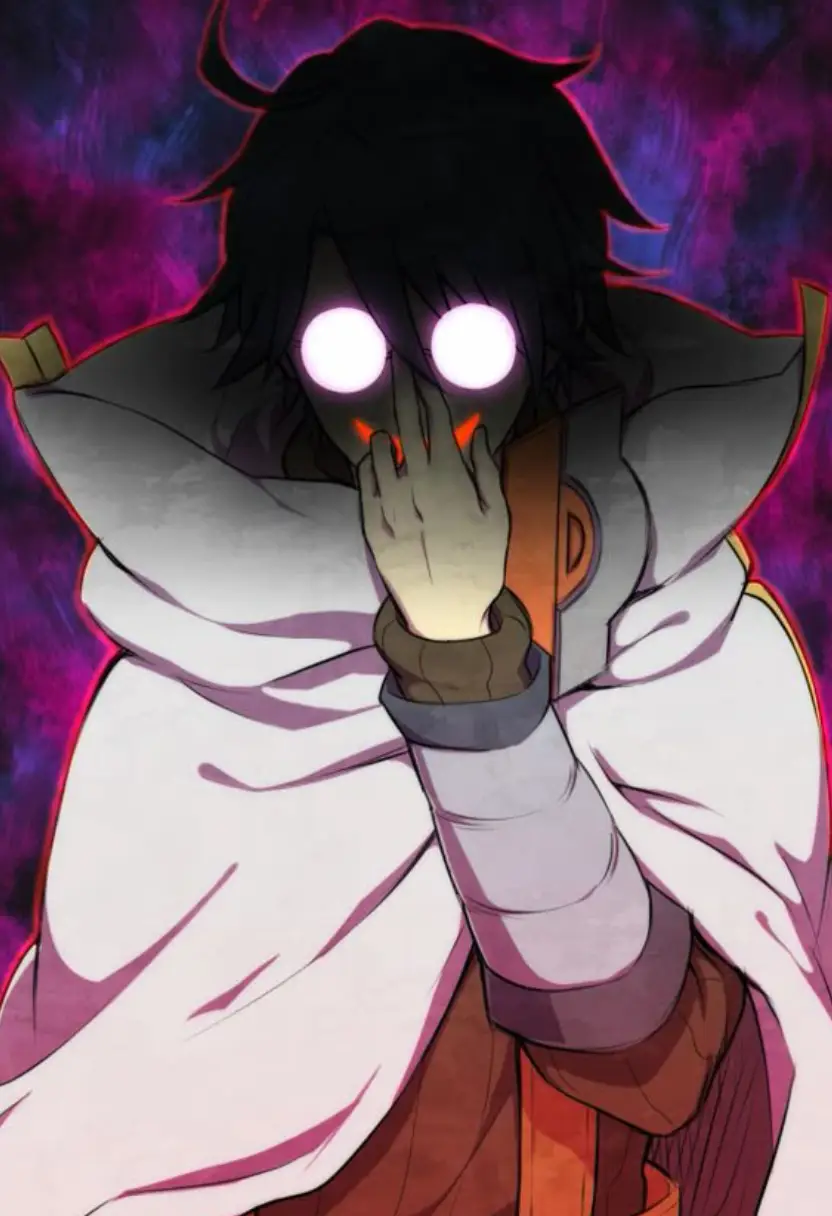
Log Horizon
Shiroe
YPS-2
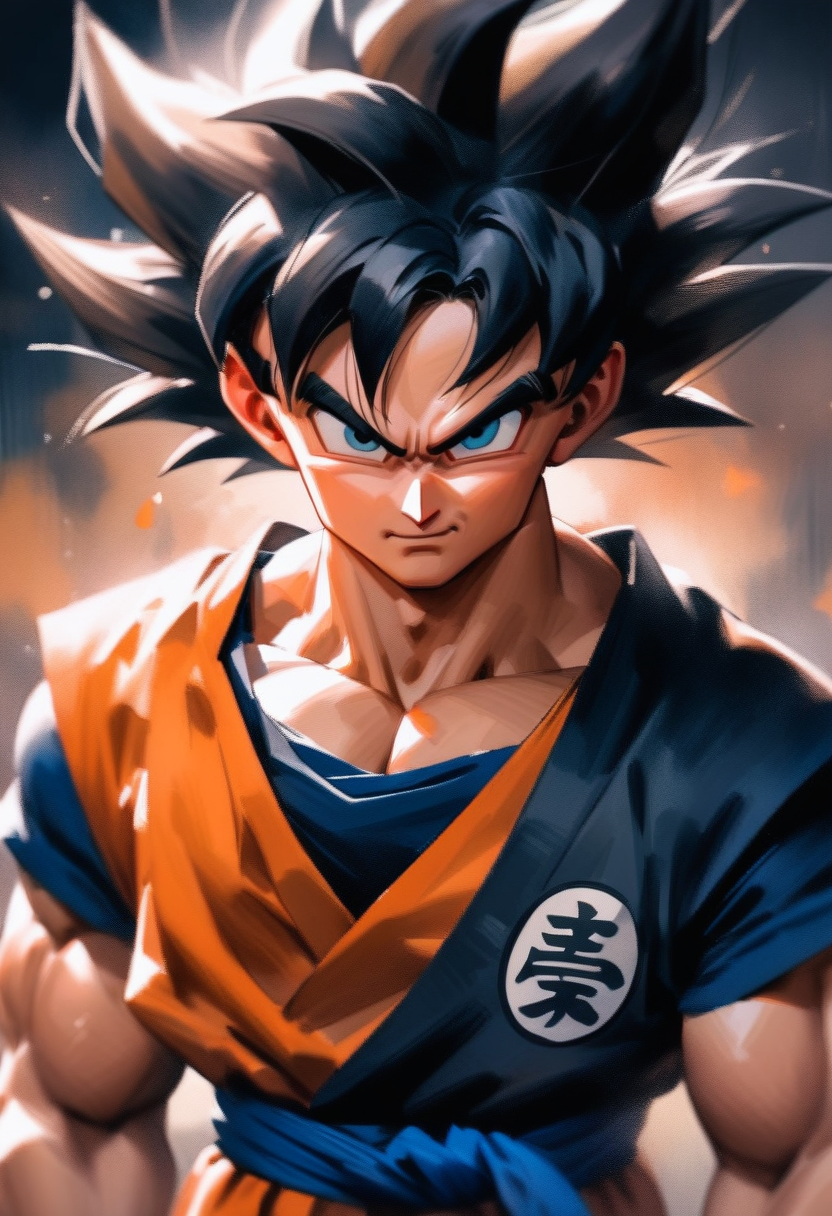
Dragon Ball
Son Goku
YPS-7
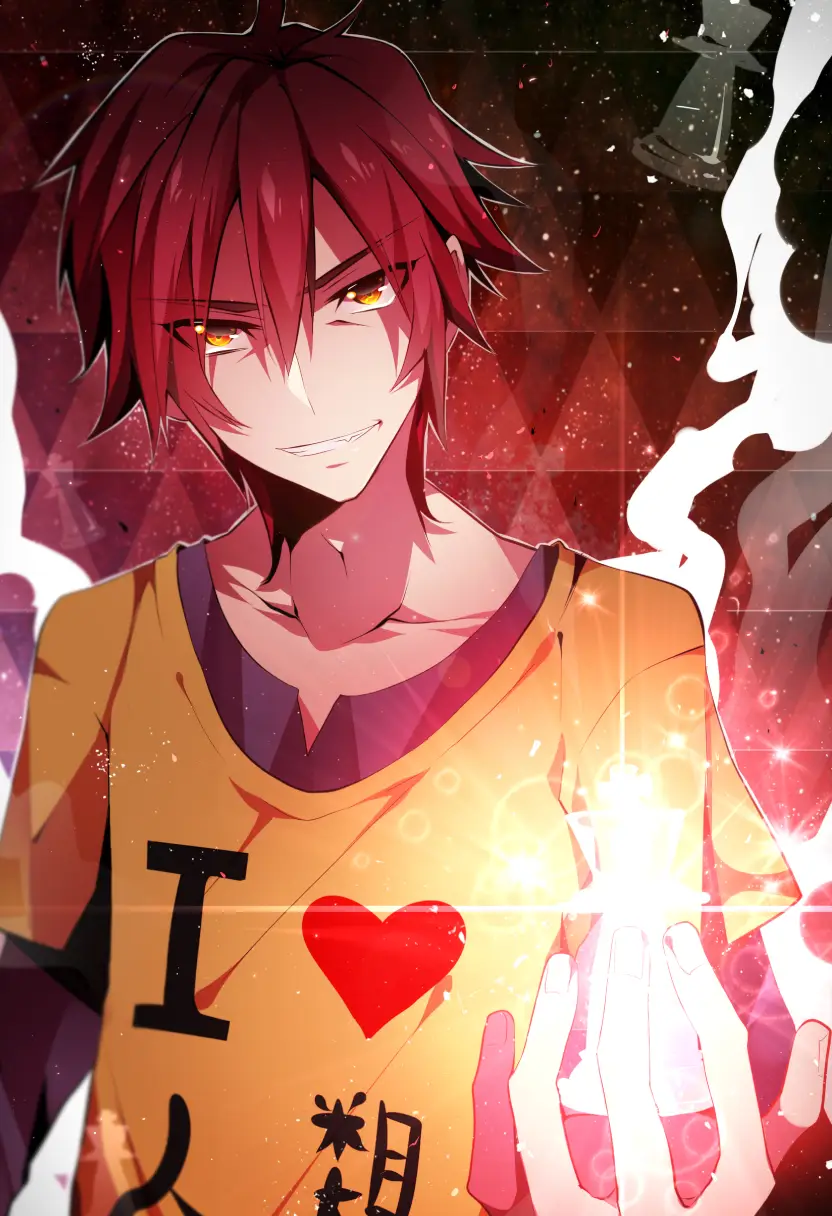
No Game No Life
Sora
YPS-1
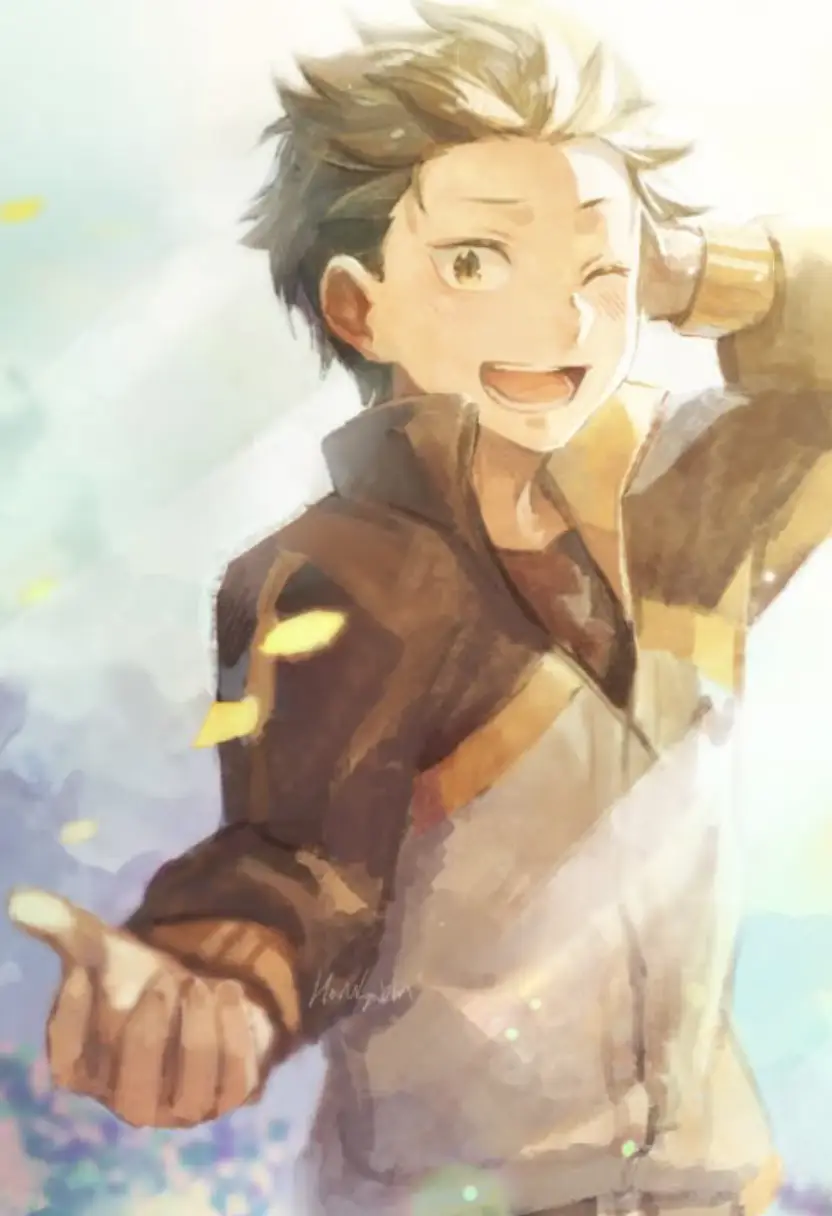
Re:Zero − Starting Life in Another World
Subaru Natsuki
YPS-2
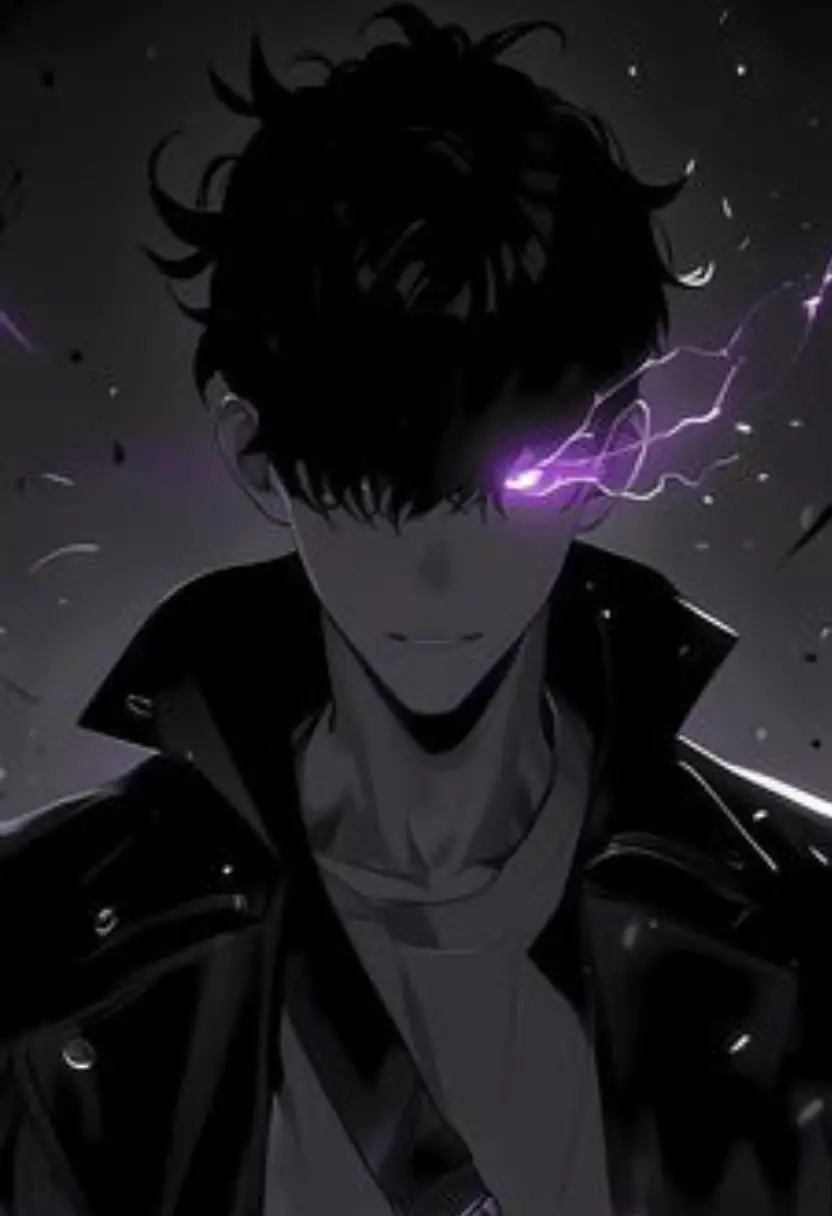
Solo Leveling
Sung Jinwoo
YPS-6
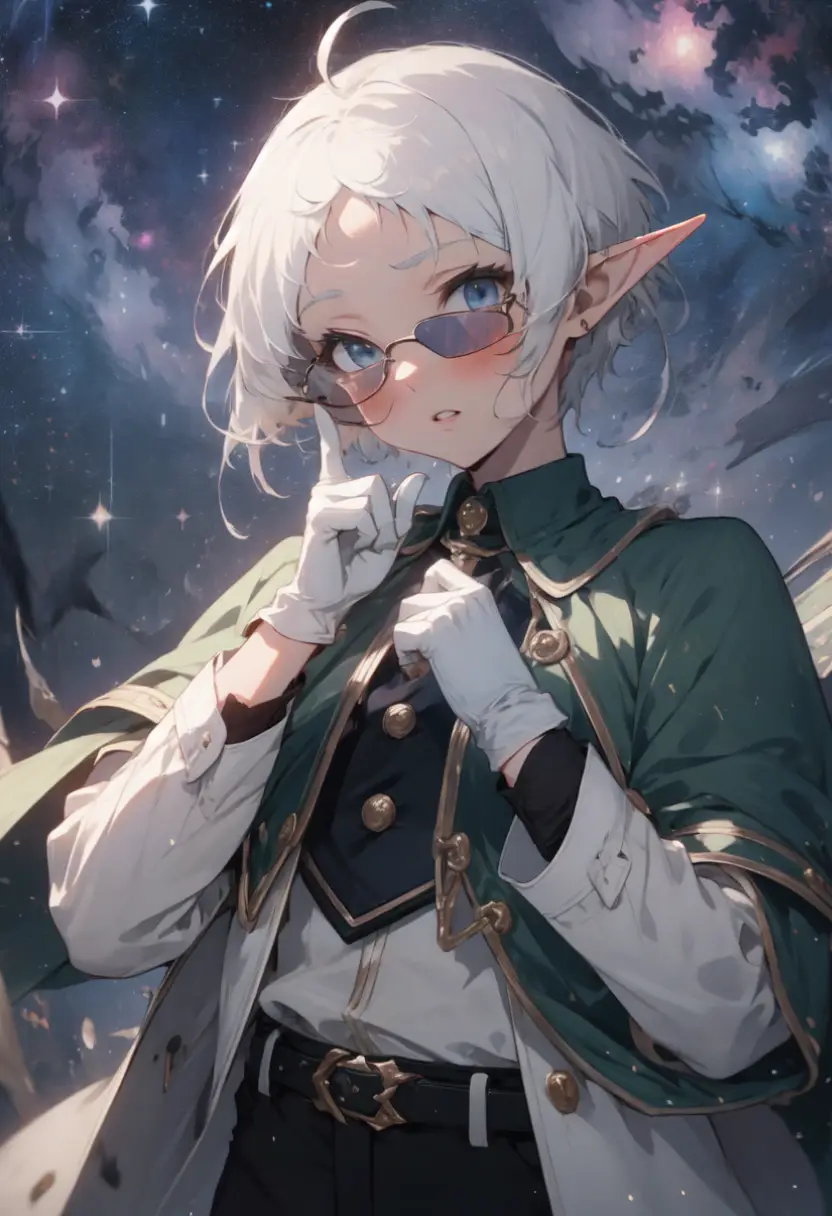
Mushoku Tensei: Jobless Reincarnation
Sylphiette
YPS-3
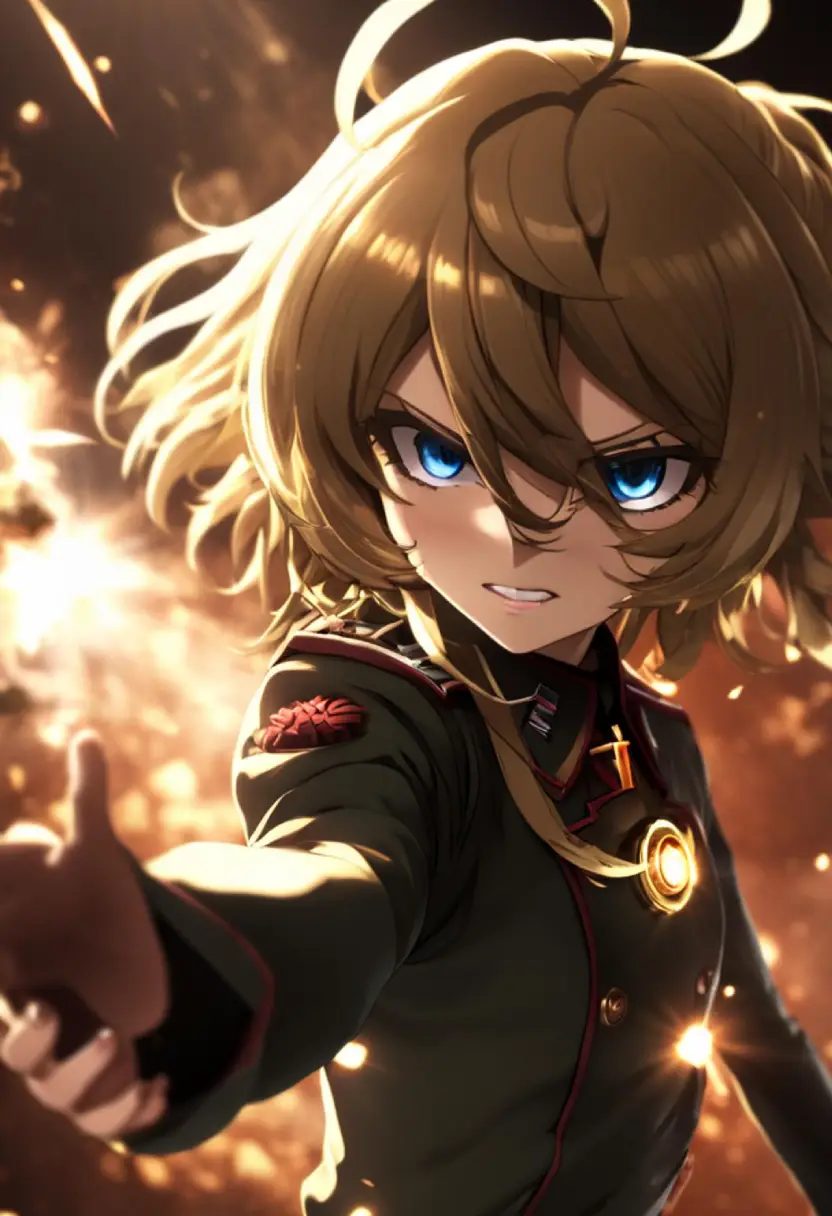
Saga of Tanya the Evil
Tanya Degurechaff
YPS-3

In Another World With My Smartphone
Touya Mochizuki
YPS-7
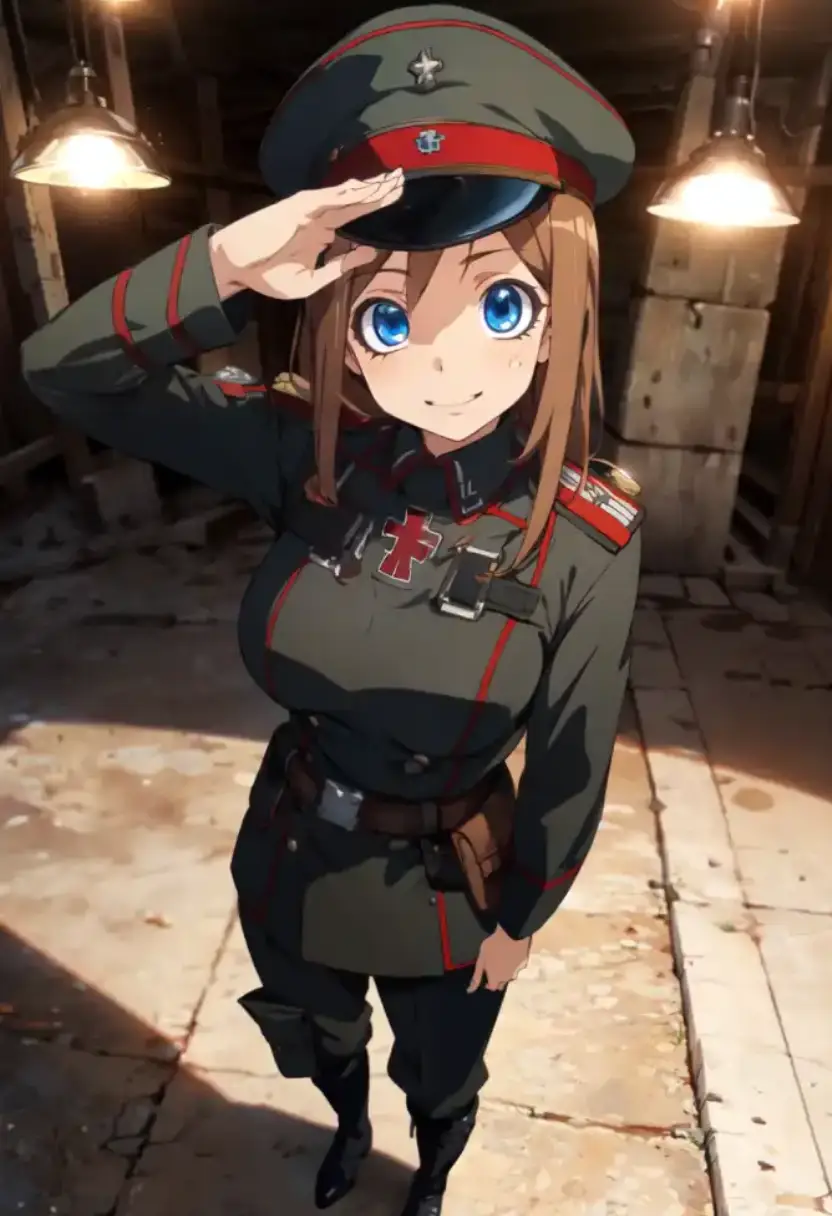
Saga of Tanya the Evil
Viktoriya Serebryakov
YPS-2
Characters Like ThisBy DNA distance
Overlord
Ainz Ooal Gown
YPS-4 · 18.0 DNA · same isekai
dominioncharm
Mushoku Tensei: Jobless Reincarnation
Rudeus Greyrat
YPS-4 · 33.1 DNA · same isekai
charm
Overlord
Albedo
YPS-4 · 35.0 DNA · same isekai
charm
Log Horizon
Shiroe
YPS-2 · 38.3 DNA · same isekai
charm
I've Been Killing Slimes for 300 Years
Azusa Aizawa
YPS-4 · 46.4 DNA · same isekai
charm