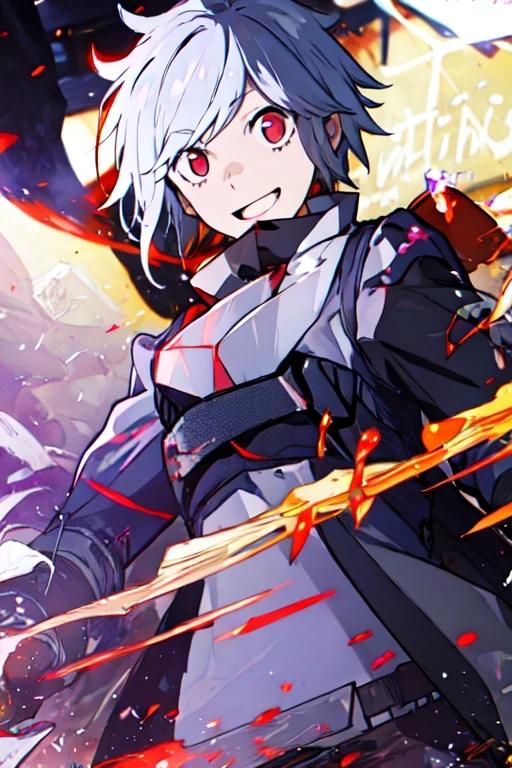

Growth in the isekai genre is often mistakenly equated with destructive output, but the divergence between a physical climber and a narrative survivor reveals that social capital is as potent as raw force. A direct YPS comparison fails here because Bell Cranel operates at YPS-3 with physical devastation, while Iruma Suzuki sits at YPS-2 with narrative-driven survival; one destroys the obstacle, the other renders the obstacle irrelevant. The core distinction lies in the DNA of their Ego. Bell’s trajectory is a vertical climb fueled by a conscious, obsessive desire to reach a specific ideal of heroism. His growth is a tool for conquest over the Dungeon. Conversely, Iruma’s growth score is not a pursuit of power but a byproduct of his refusal to abandon human empathy in a demonic society. While Bell accepts the burden of the "hypocrite" to protect his bonds, Iruma weaponizes kindness to rewrite the social contract of the Netherworld. Bell represents the ambition of the individual to rise above the system, whereas Iruma represents the power of the individual to change the system's heart. One scales the mountain; the other convinces the mountain to move.
Archetype breakdowns and dispute court land in later phases.