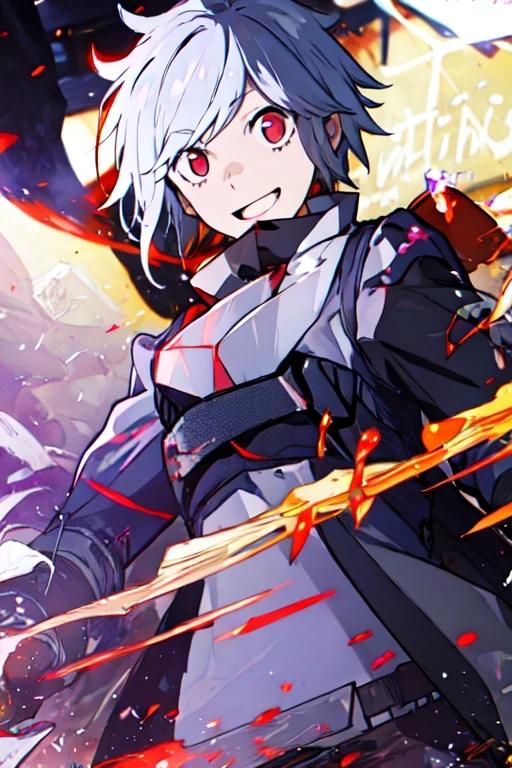
The value of a protagonist is measured not by their output but by the cost of their ascent. Comparing a physical combatant to a narrative manipulator renders the YPS-3 designation functionally meaningless; one generates city-level threat through martial escalation, while the other achieves it through systemic exploitation. Bell Cranel converts romantic obsession into raw stats, treating the Dungeon as a ladder for both moral and physical maturation. His trajectory is a vertical climb where sincerity acts as a multiplier, forcing him to reconcile his innate kindness with the necessity of killing sentient monsters. In contrast, Kazuma Satō operates on a horizontal plane, using high Luck and meta-knowledge to navigate a world that would otherwise discard him. While Bell strives to embody the hero archetype, Kazuma survives by subverting it, turning Earthly pragmatism into a weapon. Both characters eventually find that relational weight—their Bonds—outweighs their individual utility, but they arrive there from opposite directions. Bell’s Ego drives him toward a predefined ideal, whereas Kazuma’s narrative protection pulls him into responsibilities he actively avoids. This divergence reveals a fundamental split in how the genre conceptualizes power: as either a reward for purity of will or a tool for the opportunistic survivor.
Archetype breakdowns and dispute court land in later phases.