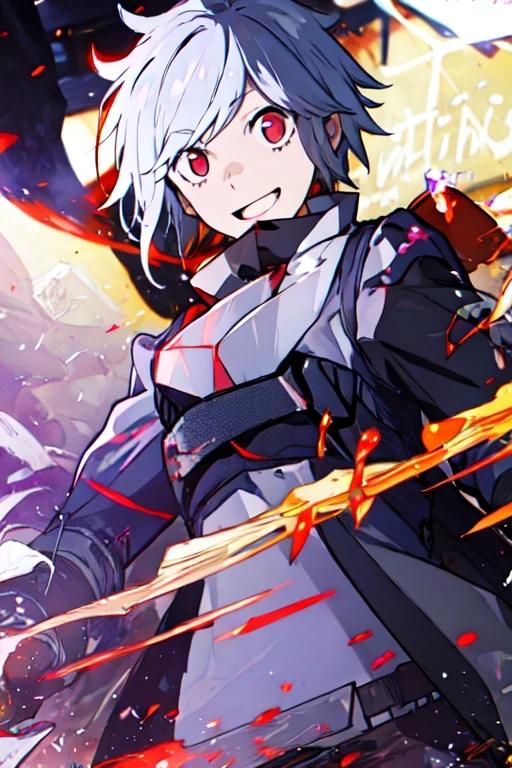
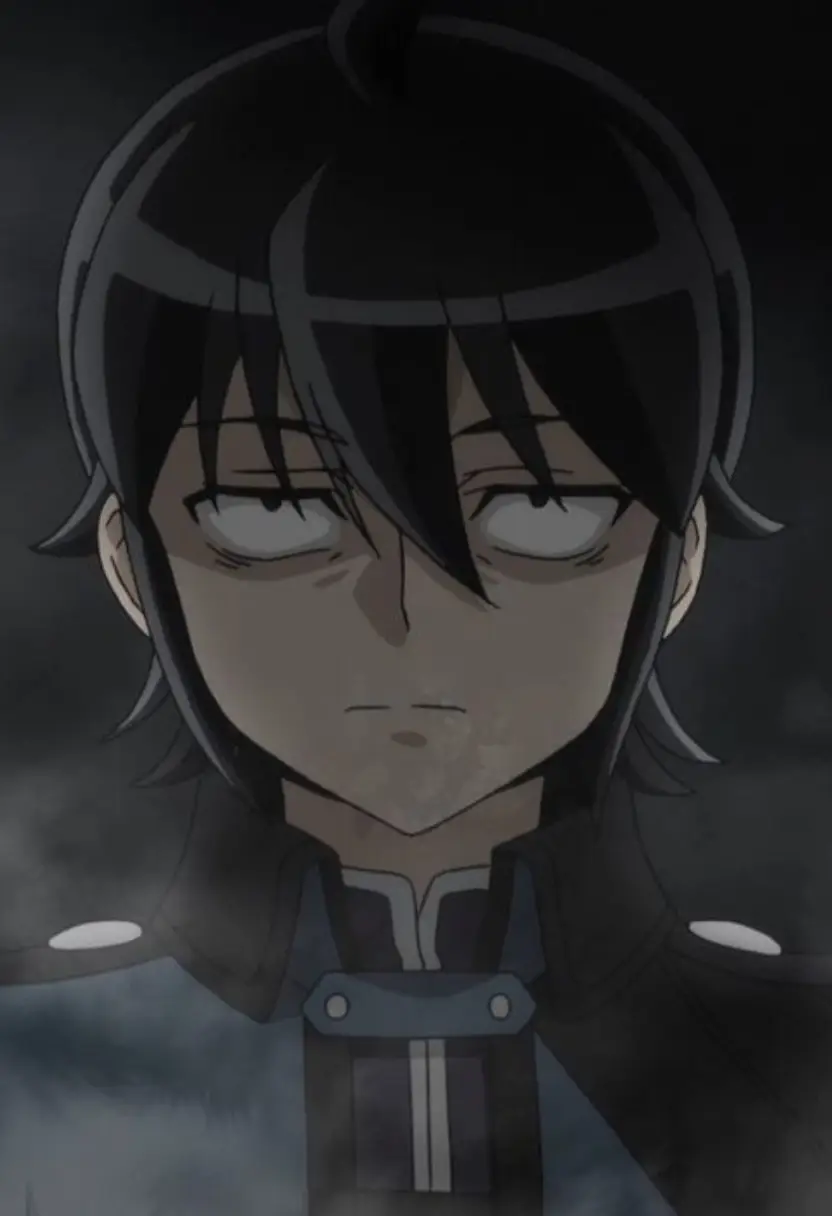
The divergence in these two trajectories proves that narrative growth is more about the direction of the will than the accumulation of power. While both characters maintain high relational weight, they utilize their bonds for opposite ends: one to integrate into a society, the other to isolate from it. Bell represents the vertical climb, using the gamified structure of the Dungeon to ascend toward an idealized version of heroism. His growth is a desperate race to bridge the gap between his naive kindness and the pragmatic violence required to survive. In contrast, Makoto represents horizontal expansion. Rejected by the Goddess, he stops trying to fit into the world's hierarchy and instead constructs Asora as a sovereign sanctuary. This creates a fundamental shift in scale; whereas Bell operates as a YPS-3 asset whose value is measured by his utility within a city, Makoto functions as a YPS-4 strategic deterrent who exists outside the law of nations. The comparison breaks down at the level of combat output, but it illuminates a critical psychological divide. Bell accepts the role of a hypocrite, killing sentient monsters to protect his ideals, while Makoto embraces a cold pragmatism that protects his inner circle by disregarding the world's expectations. Bell finds strength in his vulnerability and his desire to be seen, whereas Makoto finds stability in his detachment and his refusal to be known. The tension here is not between a weak character and a strong one, but between the desire to be the heart of a civilization and the desire to be its architect.
Archetype breakdowns and dispute court land in later phases.