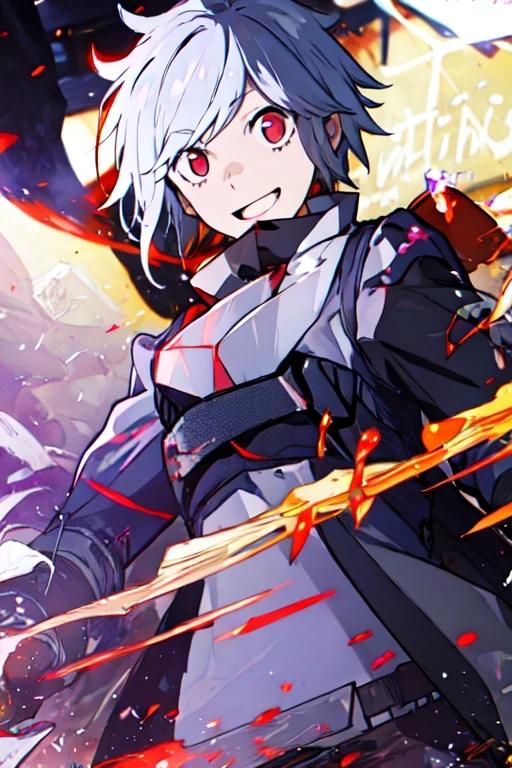

The disparity between YPS-3 and YPS-6 scale renders traditional combat comparisons meaningless, but it exposes a critical inverse relationship between power and agency. While the capacity to reshape geography defines the ceiling of a planet-level entity, it often strips the character of the internal friction required for a compelling arc. Milim Nava exists as a force of nature; her narrative function is to serve as a strategic anchor or a catastrophic threat, but her low Ego score reveals a character driven by whim and the influence of others. She is a passenger to her own immortality, seeking entertainment to mask a void of stagnation. In contrast, Bell Cranel operates in a space where every increment of growth carries lethal stakes. His struggle against the gamified nature of heroism—specifically his decision to kill sentient monsters to protect his own—transforms his YPS-3 status from a limitation into a narrative engine. Bell possesses the agency Milim lacks because he is defined by the distance between who he is and who he needs to become. His high Ego and Growth scores indicate a character who actively sculpts his identity through suffering and romantic obsession, rather than one who simply occupies a predetermined tier of existence. The tragedy of the child-god is that she has already reached the end of the scale, leaving her with nothing to strive for. The triumph of the aspirational hero is that his vulnerability is the only thing making his journey meaningful. In the economy of isekai storytelling, the character who can be broken is always more valuable than the one who cannot.
Archetype breakdowns and dispute court land in later phases.